
Hantavirus Symptoms After Rodent Exposure
Many people first hear about hantavirus after reports of severe lung infections linked to exposure to rodents. The disease is rare, but it can become dangerous very quickly if symptoms are ignored. One of the most searched questions online today is about the hantavirus survival rate and whether people can recover from the infection.
The answer is yes — many people do survive hantavirus, especially when the illness is recognized early and treated in the hospital before severe breathing complications develop.
Understanding the stages of the disease, early warning signs, and treatment options can make a major difference in outcomes.
If you’re experiencing unexplained fever, fatigue, or breathing problems after exposure to rodents, book an appointment with Passion Health Primary Care for a timely medical evaluation and care.
What Is Hantavirus?
Hantavirus Pulmonary Syndrome is a rare but serious viral illness mainly spread through contact with infected rodents, especially their urine, saliva, or droppings. In some cases, people become infected after breathing in tiny virus particles released into the air while cleaning dusty, rodent-infested spaces.
The infection can affect the lungs and lead to a dangerous condition called Hantavirus Pulmonary Syndrome (HPS), which may cause severe breathing problems and low oxygen levels.
According to the CDC Hantavirus Information, early medical attention significantly improves survival chances.
What Is the Survival Rate of Hantavirus?
The survival rate of hantavirus depends largely on how quickly treatment begins.
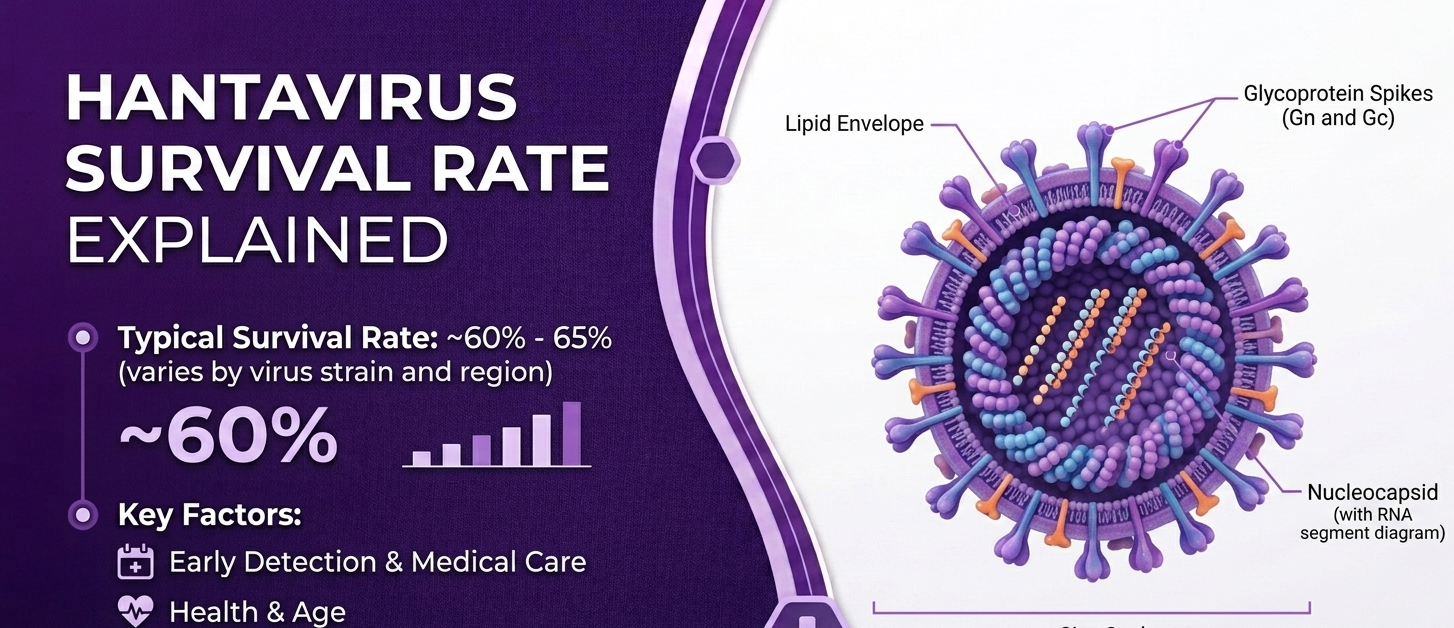
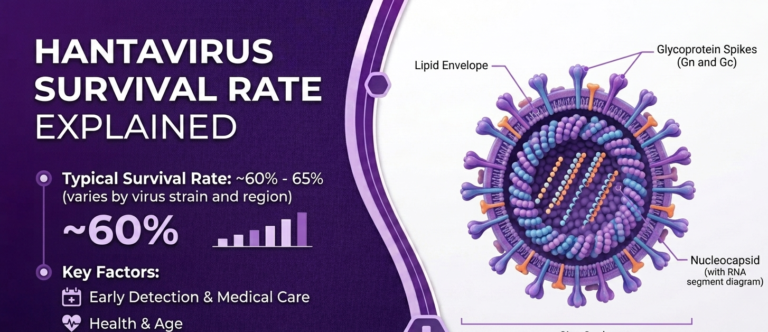
Experts estimate that the mortality rate for severe Hantavirus Pulmonary Syndrome is around 30% to 40%. That means roughly 60% to 70% of patients survive, especially with modern intensive care support.
While that number may sound frightening, survival rates improve when:
Symptoms are recognized early
Patients receive oxygen support quickly
ICU care is available
Dehydration and breathing problems are treated promptly
Many patients who recover go on to regain normal lung function over time.
Early Symptoms of Hantavirus
One reason hantavirus can become dangerous is that the early symptoms often resemble common viral illnesses.
Many people initially think they have:
viral fever
food poisoning
exhaustion
a chest infection
The first signs usually appear one to eight weeks after exposure to infected rodents.
Common Early Symptoms
Fever
Fatigue
Muscle aches
Chills
Headache
Nausea
Vomiting
Dizziness
These symptoms can seem mild at first, which is why some patients delay seeking medical care.
Stages of Hantavirus Infection
Understanding the stages of hantavirus helps explain why the disease can suddenly become severe.
1. Prodromal Stage (Early Phase)
This is the flu-like phase.
Symptoms usually include:
body aches
fever
weakness
digestive symptoms
This stage may last several days.
Because symptoms are non-specific, many people do not realize they are developing a serious infection.
2. Cardiopulmonary Stage
This is the most dangerous stage.
The virus begins affecting the lungs and blood vessels, causing fluid buildup and breathing difficulties.
Symptoms may include:
shortness of breath
rapid breathing
chest tightness
severe cough
bluish lips or fingertips
low oxygen levels
Some patients require:
oxygen therapy
ventilator support
ICU admission
This stage can progress rapidly within hours.
3. Recovery Stage
If patients survive the lung phase, recovery slowly begins.
During recovery, people may experience:
fatigue
weakness
poor stamina
lingering cough
slow return of energy
Some patients recover within weeks, while others need months to regain full strength.
How Do People Get Hantavirus?
Most infections happen after exposure to infected rodents or contaminated environments.
Common risk situations include:
cleaning rodent-infested sheds
sweeping dusty garages
entering abandoned cabins
handling mouse nests
exposure to rodent droppings
When dried droppings or urine are disturbed, virus particles may enter the air and be inhaled.
Direct rodent bites are less common but can also spread infection.
Who Is Most at Risk?
People living or working in rodent-prone environments face higher exposure risk.
Higher-risk groups may include:
farmers
campers
warehouse workers
pest control workers
construction workers
people cleaning unused buildings
Risk may increase in rural areas where rodent populations are larger.
How to Survive Hantavirus
There is currently no specific antiviral cure approved for hantavirus pulmonary syndrome. However, supportive medical treatment can save lives.
Important Survival Factors
1. Seek Medical Care Early
Early symptoms may seem harmless, but worsening breathing problems require urgent evaluation.
2. Tell Doctors About Rodent Exposure
Mentioning exposure to mice, rats, cabins, sheds, or dusty storage areas can help doctors identify the illness faster.
3. Monitor Breathing Symptoms Closely
Difficulty breathing, chest tightness, or severe coughing should never be ignored.
4. Intensive Care Improves Outcomes
Many survivors recover because they received:
oxygen therapy
IV fluids
ventilator support
ICU monitoring
The earlier supportive care begins, the better the survival chances tend to be.
Can Hantavirus Be Prevented?
Prevention mainly focuses on avoiding rodent exposure.
Prevention Tips
Seal holes in homes and storage spaces
Store food properly
Avoid sweeping dry rodent droppings
Use disinfectant sprays before cleaning
Wear gloves and masks while cleaning contaminated areas
Ventilate closed spaces before entering
Health experts recommend wet-cleaning methods rather than dry sweeping because sweeping can spread virus particles into the air.
Hantavirus vs Flu: Why the Difference Matters
Many early hantavirus symptoms resemble influenza or viral fever. However, hantavirus often becomes much more severe during the breathing phase.
Key Differences
Flu | Hantavirus |
Common seasonal illness | Rare but severe infection |
Recovery often quick | Rapid lung complications |
Recovery often quick | May require ICU care |
Lower mortality | Recovery often quick |
People with recent rodent exposure and worsening breathing symptoms should seek medical care immediately.
When Should You See a Doctor?
Seek urgent medical attention if you develop:
fever with shortness of breath
severe chest tightness
rapid breathing
unexplained exhaustion after rodent exposure
coughing with breathing difficulty
Quick diagnosis may improve survival chances significantly.
Can People Fully Recover From Hantavirus?
Yes, many survivors eventually recover well, though recovery time varies.
Some people regain strength within weeks, while others experience fatigue and reduced stamina for several months.
Long-term outcomes often depend on:
severity of lung damage
speed of treatment
overall health condition
complications during hospitalization
Final Thoughts
Hantavirus is rare, but it should never be ignored. The disease often begins with ordinary flu-like symptoms before rapidly progressing into serious breathing complications. While the mortality rate can be high in severe cases, survival is possible for many patients who receive fast medical care and respiratory support.
Understanding the early signs, stages of infection, and prevention methods can help people respond quickly if exposure occurs.
Concerned about worsening respiratory symptoms or viral illness warning signs? Schedule an appointment with Passion Health Primary Care for personalized support and early treatment guidance.