Key Takeaways
- Plan Halloween activities around your family’s health needs.
- Check treats for allergens and age-related choking risks.
- Keep regular meals, hydration, and prescribed medicine schedules.
- Choose comfortable costumes that allow clear vision and easy movement.
- Know which symptoms require immediate emergency help.
- Contact primary care for persistent or recurring health concerns.
Halloween health and safety tips for families start with a question: what does each person need to enjoy the evening comfortably? For North Texas parents, preparation means checking health plans, choosing suitable treats, and knowing when symptoms need attention.
Planning can protect the fun without turning Halloween into a medical project. If allergies, asthma, or diabetes raise questions, book an appointment at Passion Health Primary Care before celebrations.
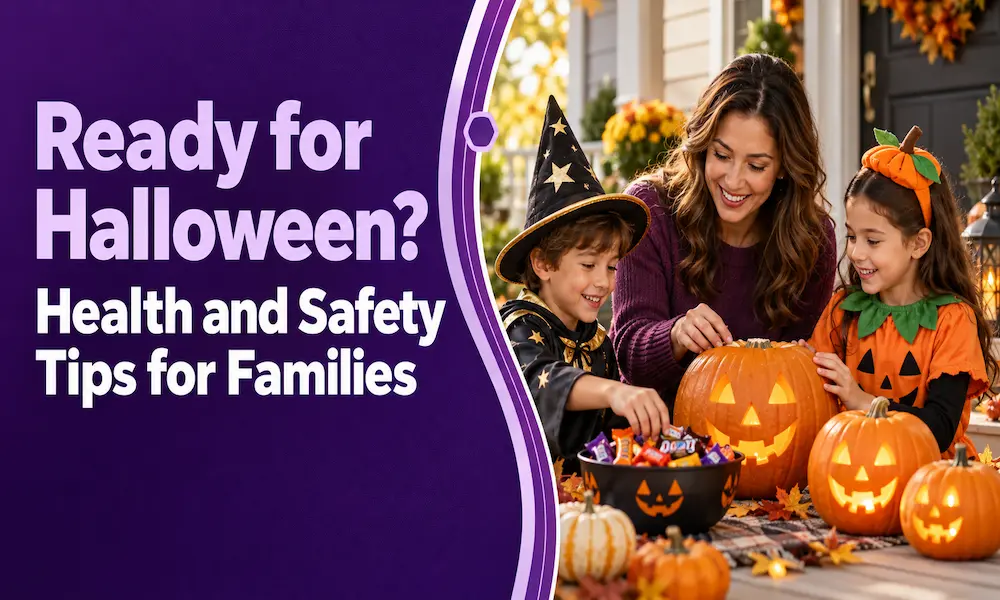
Ready for Halloween? Health and Safety Tips for Families
Halloween health and safety tips for families start with a question: what does each person need to enjoy the evening comfortably? For North Texas parents, preparation means checking health plans, choosing suitable treats, and knowing when symptoms need attention.
Planning can protect the fun without turning Halloween into a medical project. If allergies, asthma, or diabetes raise questions, book an appointment at Passion Health Primary Care before celebrations.
How Can Families Make Halloween Healthier and Safer?
Review existing care plans, inspect treats, choose comfortable costumes, and plan a manageable route. Meanwhile, keep medicines accessible and follow familiar routines. Primary care can address individual questions; emergencies require immediate help.
Start With Your Family’s Health Needs Before Halloween
How Can Primary Care Help Your Family Prepare?
First, review instructions for existing allergies, asthma, or diabetes. Check medicine supplies and ask your clinician about any unclear directions. Keep prescribed doses and schedules unless your care team instructs otherwise.
For example, a parent may need clarification about an asthma action plan before a long outdoor walk. Another may need help explaining allergy precautions to a grandparent.
Also, share relevant instructions with the supervising adult. That person should know where emergency medicines sit, when the care plan calls for them, and how to reach you.
Make a Candy Plan That Fits Your Child’s Age and Health
Check Ingredients and Choose Age-Appropriate Treats
Halloween candy safety begins before the first bite. Inspect packaging at home and discard unwrapped, damaged, or suspicious treats. For food allergies, read each label rather than relying on the brand name.
Additionally, consider choking risks separately. Hard candy, gum, and whole nuts pose hazards for young children. Choose treats that match your child’s age and eating abilities.
Set realistic portions without calling candy “bad” or making children feel guilty. A normal meal before trick-or-treating and a plan for leftover sweets can make moderation easier. One evening of candy does not, by itself, cause diabetes. [www.heart.org]
How Can a Primary Care Doctor Help With Diabetes During Halloween?
People with diabetes need individual guidance. Ask your care team how treats, walking, and meal timing fit your existing plan.
Check total carbohydrates rather than sugar alone. Follow your monitoring instructions and carry supplies for treating low blood sugar when your plan requires them. Never improvise medicine changes to compensate for sweets. [ADA]
These Halloween health and safety tips for families support preparation; your diabetes care plan guides treatment.
Check What Touches Skin, Eyes, and Feet
Before Halloween, test makeup on a small area of skin, following product guidance. Stop using products that cause irritation. Also, keep makeup away from eyes unless the label permits that use.
Decorative contact lenses require an eye professional’s assessment, proper fitting, and prescription. Avoid costume-store lenses that bypass those steps.
Next, check whether your child can see clearly, climb steps, and walk comfortably. Secure trailing fabric and choose familiar shoes. Comfortable costumes help prevent falls and reduce distractions. [www.fda.gov]
Keep Meals, Water, and Medicines on Schedule
Serve a familiar meal before heading out. For example, chicken, rice, and vegetables offer a dinner without requiring special Halloween recipes.
Then, bring drinking water and follow usual medicine schedules. A phone reminder can help when festivities disrupt the evening.
Healthy Halloween habits also include a realistic finish time. Choose a shorter outing if your child tires easily or needs an early bedtime. Likewise, consider a quieter celebration when crowds or long walks feel overwhelming.
Plan the Walk Around Your Family’s Abilities
Whether you celebrate in Frisco, Plano, Irving, or another North Texas community, plan the route before leaving. Choose sidewalks, safe crossings, and distances everyone can manage.
Furthermore, account for mobility devices, rest breaks, and the trip home. Adults should accompany young children. Use reflective accessories and flashlights, and avoid crossing between parked cars.
Halloween health and safety tips for families work best when the plan fits the people taking part.
Know When a Halloween Health Problem Needs Medical Help
Which Concerns Can Primary Care Evaluate and Treat?
Primary care can assess mild skin irritation, minor scrapes, and non-severe digestive symptoms. A clinician considers the cause, severity, medical history, and examination before recommending treatment.
However, a rash does not automatically mean a food allergy, and abdominal pain does not always come from candy. Avoid self-diagnosing from timing alone.
When Should Families Contact Primary Care After Halloween?
Contact your clinician for symptoms that persist, recur, worsen, or interfere with eating, sleep, or daily activities. Describe when symptoms started and mention relevant foods, makeup, or injuries.
Additionally, ask about follow-up if Halloween reveals difficulties with an existing care plan.
When Does a Problem Require Emergency Care?
Call 911 for severe breathing difficulty, choking that prevents breathing, collapse, or suspected anaphylaxis. For anaphylaxis, use prescribed epinephrine immediately according to the emergency plan, then call 911.
Do not wait for a primary care appointment. For choking, follow the dispatcher’s instructions and provide age-appropriate first aid if you know how.
Your Before-the-Door Halloween Health Checklist
Use this Halloween health checklist for families:
Review existing care plans and supervising-adult instructions.
Pack prescribed emergency medicines and necessary supplies.
Check costumes, shoes, and visibility.
Bring water, lights, and a phone.
Choose a manageable route and return time.
Inspect candy before anyone eats it.
Keep the checklist short enough to use.
How Can Passion Health Primary Care Support Your Family?
Passion Health offers primary care and pediatric services for North Texas families. An appointment can address questions about existing conditions, preventive care, or childhood health concerns.
Bring medicine details and describe the question you want to resolve. That information helps the clinician focus the discussion.
Use Halloween health and safety tips for families alongside individualized advice. Confirm location and provider availability when booking.
Final Takeaway: Let Your Family’s Health Needs Guide the Fun
Halloween health and safety tips for families should make decisions easier. Prepare early, follow existing care plans, and choose activities that fit your household. For individual guidance, book an appointment at Passion Health Primary Care.
Support your family’s health beyond Halloween
Book your Passion Health Primary Care appointment.
FAQs
1. Can Children With Food Allergies Enjoy Trick-or-Treating?
Yes, with an individual safety plan. Review labels, carry prescribed emergency medicines, and consider nonfood treats.
2. Can Someone With Diabetes Eat Halloween Candy?
Often, yes. Portions, carbohydrates, medicines, and monitoring depend on the individual care plan.
3. Can Primary Care Evaluate a Rash After Face Paint?
Yes, for a mild reaction. Breathing trouble or throat swelling requires emergency help.
4. Should a Sick Child Attend Halloween Events?
Consider rest and avoiding exposure to others. Ask your clinician when symptoms raise concerns.
5. Does Every Child Need a Checkup Before Halloween?
No. Seek advice for unanswered health questions or existing conditions that need attention.

About the Author
Dr. Anantha Chentha is a board-certified internal medicine physician with extensive experience in primary care and chronic disease management. He provides comprehensive, patient-centered care with a focus on prevention, accurate diagnosis, and long-term health management.
View Provider Profile →