Measles Outbreak 2026: What Doctors Recommend for Protectiont Here
The resurgence of measles in 2026Out break is a serious reminder that preventable diseases can return when vigilance drops.
As a primary care physician, I’m seeing renewed concern among families—and for good reason.
Measles is not just a childhood illness. It is one of the most contagious viral infections known, and recent outbreaks are affecting both children and adults, particularly those who are unvaccinated.
The good news? It is highly preventable with the MMR (measles, mumps, rubella) vaccine.
In this guide, I’ll walk you through what you need to know—from early symptoms to prevention—so you can make informed decisions for your health.
Why Are Measles Cases Rising Again?
Measles outbreaks are increasing globally due to a drop in vaccination coverage. To prevent outbreaks, about 95% of the population needs to be vaccinated (herd immunity threshold).
When vaccination rates fall—even slightly—the virus can spread rapidly through communities.
This is not limited to one country. Measles remains a risk anywhere vaccination gaps exist, including parts of India and other regions with inconsistent immunization coverage.
What Are the Early Symptoms of Measles?
Recognizing measles early is critical to preventing complications and spread.
Common symptoms include:
High fever (often above 101°F / 38.5°C)
Persistent dry cough
Runny nose
Red, watery eyes (conjunctivitis)
Small white spots inside the mouth (Koplik spots)
A red rash that typically starts on the face and spreads downward
Symptoms usually appear 7–14 days after exposure.
If you or your child shows these signs—especially during an outbreak—seek medical advice promptly.
Is Measles Dangerous? What Doctors See in Practice
A common misconception is that measles is mild. In reality, it can lead to serious complications.
Potential complications include:
Pneumonia (the most common cause of death)
Brain inflammation (encephalitis)
Severe dehydration
Ear infections leading to hearing loss
Pregnancy-related complications
In clinical practice, we are especially concerned about:
Infants
Individuals with weakened immune systems
Even healthy individuals can develop severe illness.
How Contagious Is Measles?
Measles spreads through respiratory droplets and can linger in the air for up to two hours after an infected person leaves the area.
From a medical standpoint:
Up to 90% of unvaccinated individuals exposed to the virus may become infected
A person can spread measles before symptoms even appear
This makes early prevention absolutely critical.
MMR Vaccine: The Most Effective Protection
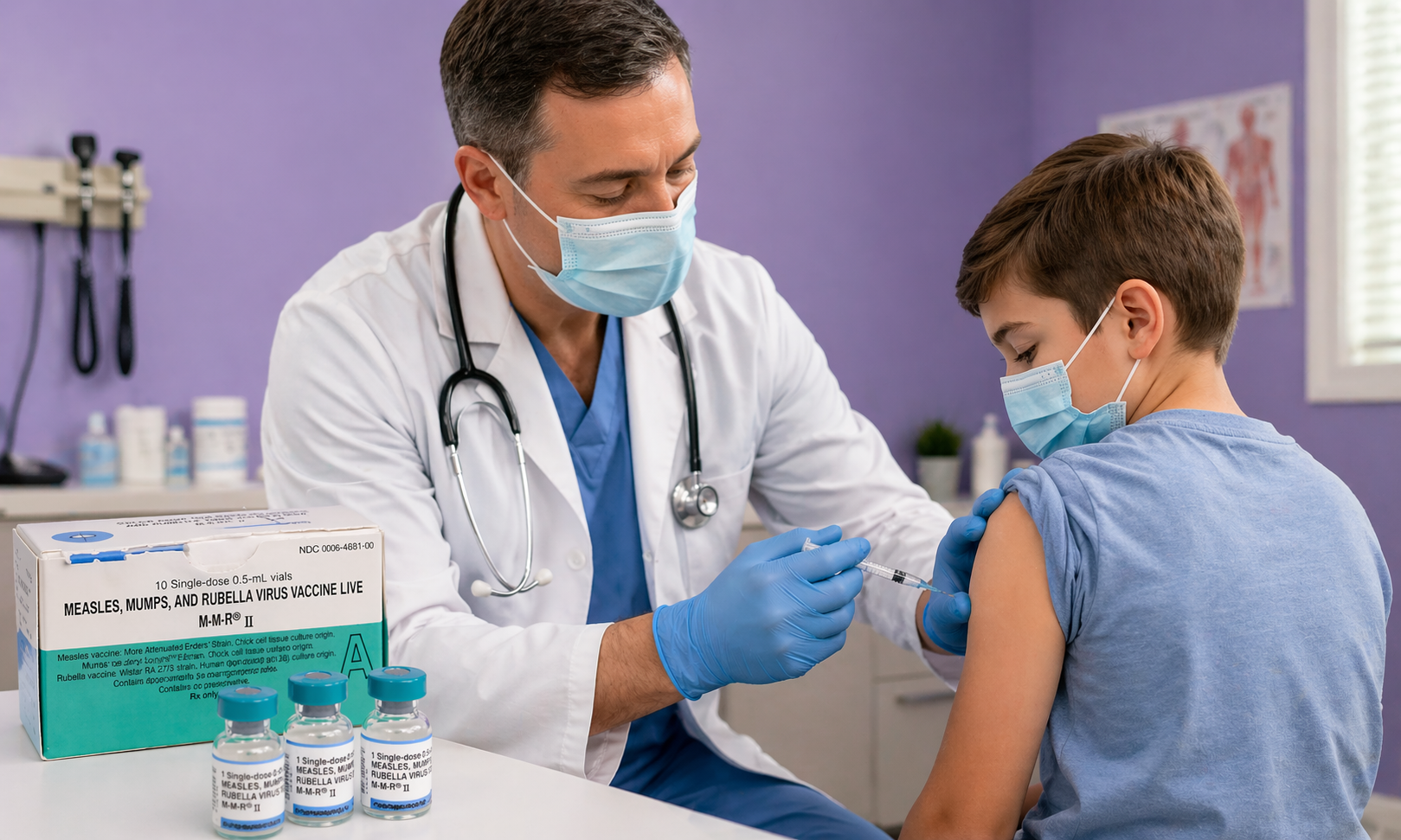
The MMR vaccine is a safe and highly effective way to prevent measles.
Two doses provide ~97% protection
Protection is long-lasting
Helps prevent outbreaks in the community
The vaccine works by training your immune system to recognize and fight the virus before it can cause illness.
Who should get vaccinated?
Children (as per immunization schedule)
Adults without confirmed immunity
Travelers to high-risk areas
Healthcare workers
If you’re unsure about your vaccination status, a primary care consultation can help determine your immunity.
Addressing Common Concerns About the MMR Vaccine
As doctors, we frequently hear questions about vaccine safety.
Is the MMR vaccine safe?
Yes. It has been extensively studied for decades. Serious side effects are extremely rare.
Does it cause autism?
No. This claim has been thoroughly disproven by large-scale scientific studies.
Can I skip it if I’m healthy?
No. Even healthy individuals can contract and spread measles.
Our role is to provide accurate, evidence-based guidance so you can make informed decisions.
Why More Families Are Choosing Vaccination Now
During recent outbreaks, many families who were previously hesitant are now opting for vaccination.
From a physician’s perspective, this shift is driven by:
Increased awareness of complications
Real-life cases in communities
Concerns about children’s safety
When risk becomes real, prevention becomes a priority.
Who Should Get Vaccinated Now?
From a clinical standpoint, we recommend the following:
Children: Routine MMR vaccination as per schedule (first dose at 9–12 months in some regions, second dose later in childhood)
Adults: Anyone unsure of their vaccination status should consult a doctor
Travelers: Increased risk when visiting areas with active outbreaks
Healthcare workers: Higher exposure risk makes vaccination essential
In certain outbreak situations, doctors may recommend earlier vaccination for infants or additional doses for high-risk individuals.
If you’re unsure about your immunity, a simple consultation can help determine the next steps.
How Primary Care Can Help You Stay Protected
Primary care plays a vital role in prevention.
At Passion Health Advanced Primary Care, we focus on:
Vaccination guidance
Early diagnosis and management
Personalized care plans
Instead of waiting for illness, proactive care helps you stay ahead of potential health risks.
What You Should Do Right Now
Here are practical steps you can take today:
Check your vaccination records
Ensure your children are up to date
Avoid exposure during outbreaks
Consult a doctor if symptoms appear
Stay informed through reliable medical sources
Early action can prevent serious complications.
Book Your Consultation Today
Your health—and your family’s health—deserves proactive care.
At Passion Health Advanced Primary Care, we offer:
Personalized vaccination guidance
Preventive health checkups
Expert primary care support
Don’t wait for symptoms to act.
Schedule your consultation today and take control of your health with trusted medical guidance.
Final Thoughts
Measles is preventable, but only if we take the right steps at the right time.
As doctors, our goal is simple: keep you informed, protected, and healthy. Vaccination remains the most effective, evidence-based way to reduce risk and protect communities.
Taking action today can safeguard your future. Connect with Passion Health Advanced Primary Care today for evidence-based vaccination advice and proactive health planning tailored to you.