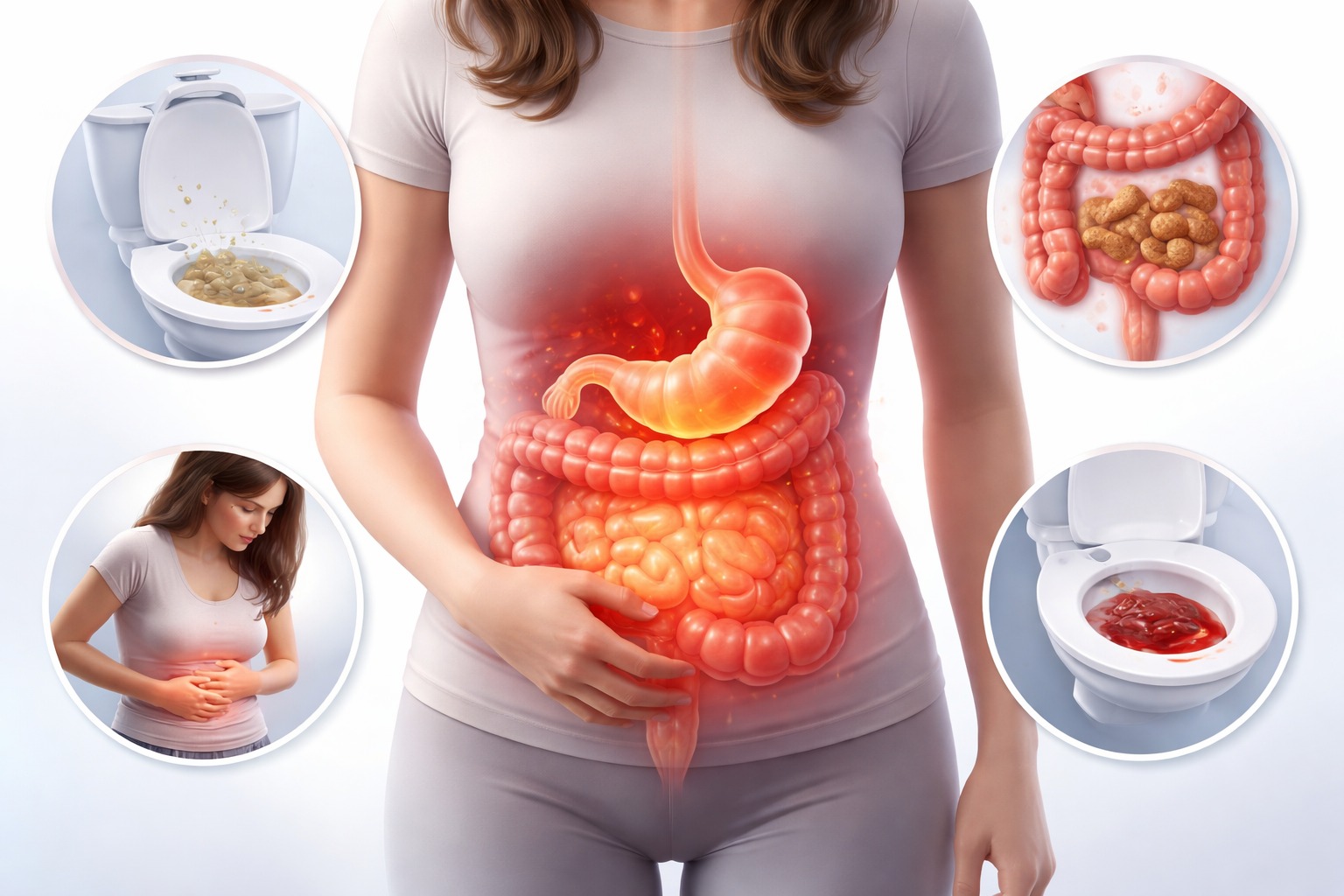
Abdominal Pain With Diarrhea or Constipation: Causes, Diagnosis & Relief
Abdominal pain combined with diarrhea or constipation is a common digestive complaint. It may be caused by temporary infections, food reactions, or long-term gut disorders. While many cases are mild, persistent symptoms can signal an underlying medical condition.
This guide explains why stomach pain happens with bowel changes, what it means, how it’s diagnosed, and how to find lasting relief.
What Does Abdominal Pain With Bowel Changes Mean?
When abdominal pain occurs with diarrhea or constipation, it usually means your digestive system is irritated, inflamed, or not working properly.
You may experience:
Cramping or spasms
Bloating and pressure
Urgency to use the bathroom
Incomplete bowel movements
Relief after passing stool (in some cases)
Symptoms may be short-term (acute) or long-lasting (chronic).
Abdominal Pain With Diarrhea
Diarrhea with abdominal pain usually means the intestines are irritated or inflamed.
Common Causes of Pain With Diarrhea
1) Gastroenteritis (Stomach Flu)
Sudden cramps, diarrhea, nausea, fever
Usually lasts a few days
2) Food Poisoning
Contaminated food or water
Severe cramps and watery stools
Starts within hours of eating
3) Irritable Bowel Syndrome (IBS-D)
Chronic diarrhea with cramps
Triggered by stress or foods
Pain often improves after bowel movement
4) Food Intolerance
Lactose, gluten, artificial sweeteners
Bloating, diarrhea, cramps after eating
5) Inflammatory Bowel Disease (IBD)
Crohn’s disease or ulcerative colitis
Bloody diarrhea, fatigue, weight loss
Requires specialist care
6) Medication Side Effects
Antibiotics
Laxatives
Some diabetes or blood pressure drugs
Warning Signs With Diarrhea
See a doctor urgently if you have:
Blood in stool
High fever
Severe dehydration
Weight loss
Diarrhea lasting over 3 days
Severe abdominal pain
These may indicate serious infection or inflammation.
Abdominal Pain With Constipation
Constipation with abdominal pain usually happens when stool moves too slowly through the intestines.
Common Causes of Pain With Constipation
1) Low Fiber & Dehydration
Not enough fruits, vegetables, or water
Hard stools and cramping
2) Sedentary Lifestyle
Lack of physical activity slows digestion
3) Irritable Bowel Syndrome (IBS-C)
Constipation with bloating and pain
Chronic condition
4) Bowel Obstruction (Serious)
Blockage in intestines
Severe pain, vomiting, bloating
5) Medications
Painkillers (opioids)
Iron supplements
Antidepressants
6) Thyroid & Metabolic Disorders
Low thyroid function
Diabetes-related nerve issues
Warning Signs With Constipation
Get medical help if you notice:
Severe bloating
Vomiting
Blood in stool
Sudden constipation in older adults
Unexplained weight loss
No bowel movement for several days with pain
These may signal blockage or serious disease.
Conditions That Cause Both Diarrhea & Constipation
Some disorders cause alternating bowel habits.
Common Examples
Irritable Bowel Syndrome (IBS-M)
Alternates between diarrhea and constipation
Pain and bloating common
Triggered by stress and diet
Inflammatory Bowel Disease
Diarrhea during flare-ups
Constipation during remission
Chronic inflammation
Food Sensitivities
Symptoms vary based on diet
Gut Infections
Can disrupt bowel patterns long-term
How Doctors Diagnose These Symptoms
Diagnosis depends on symptom pattern and duration.
1) Medical History
Your doctor may ask about:
Frequency of diarrhea/constipation
Travel history
Stress levels
Medication use
2) Physical Exam
Checks for:
Tenderness
Swelling
Masses
3) Lab Tests
May include:
Stool tests
Food intolerance tests
4) Imaging & Procedures
If needed:
CT scan
Colonoscopy
These help rule out serious disease.
Treatment & Relief Options
Treatment depends on the underlying cause.
1) Home Care & Lifestyle Changes
Helpful for most mild cases:
Drink plenty of water
Eat fiber-rich foods
Avoid trigger foods
Exercise regularly
Eat small, regular meals
Manage stress
Keeping a food and symptom diary is very useful.
2) Diet Adjustments
For Diarrhea:
Eat bland foods (BRAT diet)
Increase fluids and electrolytes
For Constipation:
Increase fiber slowly
Eat fruits, vegetables, whole grains
Drink warm fluids in the morning
3) Medications
Your doctor may recommend:
Anti-diarrheal medicines
Stool softeners
Probiotics
IBS-specific medications
Antibiotics (if infection present)
Avoid long-term laxative use without medical advice.
4) Medical & Specialist Treatment
For chronic or severe cases:
Gastroenterology referral
IBD treatment plans
Hormonal or metabolic therapy
Surgery (rare cases)
Early treatment prevents complications.
When to See a Doctor
Emergency – Go to ER If You Have:
Bloody stools
Signs of dehydration
Fainting
Book a Doctor Visit If:
Symptoms last more than 1–2 weeks
You have weight loss
Home treatment doesn’t help
Do not ignore ongoing digestive changes.
Special Groups
Children
Common causes:
Persistent symptoms need evaluation.
Older Adults
Higher risk for:
Diverticular disease
Even mild symptoms should be checked.
How to Prevent Digestive Problems
You can reduce your risk by:
Eating balanced, high-fiber meals
Exercising regularly
Limiting alcohol
Avoiding smoking
Treating infections early
Healthy habits support long-term gut health.
Frequently Asked Questions (FAQs)
Is abdominal pain with diarrhea always an infection?
No. It may also be caused by IBS, food intolerance, or inflammation.
Can stress affect bowel movements?
Yes. Stress strongly influences gut function and can trigger diarrhea or constipation.
Is alternating diarrhea and constipation normal?
Occasional changes are common, but frequent switching may indicate IBS.
How long is too long for these symptoms?
If symptoms last more than 10–14 days, see a doctor.
How Primary Care Can Help
Your primary care provider can:
Identify digestive triggers
Treat infections and IBS
Order testing
Manage chronic bowel disorders
Refer to specialists
Early care leads to faster relief.
Final Thoughts
Abdominal pain with diarrhea or constipation is often related to digestion, diet, or stress—but it can also signal chronic bowel disease or infection.
Pay attention to how long symptoms last, what triggers them, and whether warning signs are present. If problems persist or worsen, seek medical care promptly.
With proper diagnosis and treatment, most people can achieve good digestive health and long-term relief.
Compassionate Digestive Care
Digestive symptoms can disrupt daily life, but you don’t have to manage them alone. At Passion Health Primary Care, we provide comprehensive, patient-centered care to identify the cause of your symptoms and develop a personalized treatment plan for lasting relief.
If abdominal pain with diarrhea or constipation persists or concerns you, schedule an appointment today. Early care leads to better outcomes and improved digestive health.