
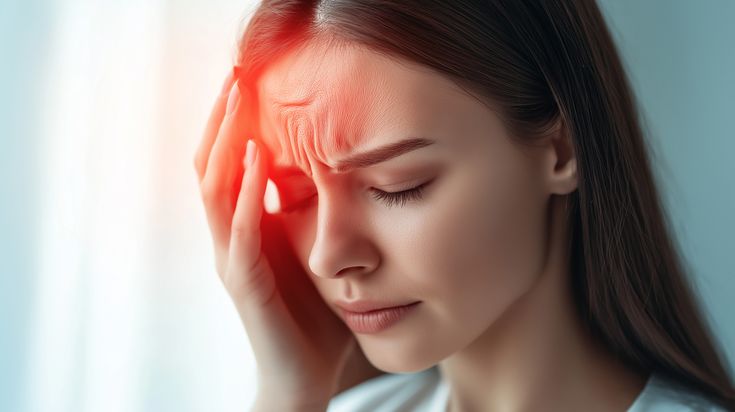
Migraine Causes and Symptoms You Shouldn’t Ignore — Triggers and When to See a Doctor
The Headache That Took Everything From You
You cancel plans. You miss work. Light feels unbearable. Even sound hurts.
If you’ve ever experienced a pounding headache that just won’t quit, you might have asked yourself: “Is this just a headache… or something more serious?”
Understanding migraine causes and symptoms isn’t just helpful—it could protect your long-term health. Some migraines are more than pain—they’re your body’s warning signal.
Consider scheduling a consultation with the compassionate physicians at Passion Health Primary Care; same-day visits are available
available.
What Is a Migraine?
A migraine is not simply a “bad headache.” It is a complex neurological condition that causes intense, often debilitating head pain — typically on one side of the head — and can last anywhere from 4 to 72 hours.
Migraines involve abnormal brain activity that affects nerve signals, chemicals, and blood vessels. They often come with a full constellation of symptoms beyond just pain, including nausea, vomiting, and extreme sensitivity to light and sound.
According to the American Migraine Foundation, migraines are the third most common disease in the world — yet they remain widely underdiagnosed and undertreated.
Migraine Causes: Why They Happen
Despite decades of research, the exact cause of migraines isn’t fully understood. What we do know is that migraines involve a neurological cascade — a chain reaction in the brain that, once started, is difficult to stop.
Key underlying factors include:
Genetics — Migraines run in families. If one parent has migraines, you have a 50% chance of developing them.
Brain chemistry imbalance — Low serotonin levels are strongly linked to migraine onset.
Cortical spreading depression — A wave of electrical activity followed by suppression across the brain’s cortex that likely drives migraine pain.
Trigeminal nerve activation — This major pain pathway releases inflammatory neuropeptides that cause blood vessel dilation and intense head pain.
Hormonal fluctuations — Estrogen changes before menstruation, during pregnancy, or at menopause are major chronic migraine causes in women.
Women are three times more likely than men to experience migraines — largely due to hormonal influences.
Common Migraine Triggers (Most People Miss These)
Triggers don’t cause migraines — they ignite an already susceptible brain. Identifying your personal triggers is one of the most powerful steps in managing this condition.
The triggers most commonly overlooked:
Skipping meals or fasting — A drop in blood sugar can set off an attack within hours
Dehydration — Even mild dehydration is a silent trigger that millions ignore
Sleep disruption — Both too little and too much sleep can trigger episodes
Bright or flickering lights — Fluorescent lighting, screens, and sunlight glare
Strong odors — Perfume, cleaning products, and smoke are frequent culprits
Weather changes — Barometric pressure drops are a clinically recognized trigger
Caffeine — in both excess and withdrawal — That missed morning coffee? Yes, it counts.
Alcohol — Red wine and beer are particularly notorious triggers
Emotional stress — Anxiety, grief, and even post-stress “letdown” can trigger attacks
Certain foods — Aged cheeses, processed meats, MSG, artificial sweeteners, and chocolate
You don’t have to guess what’s happening. You don’t have to wait in fear.
Get a fast, expert diagnosis at Passion Health Primary Care today*
Our doctors act quickly so you get answers, relief, and the right treatment—without delay. Book an appointment
Migraine Symptoms You Should NEVER Ignore
Migraine symptoms often appear in four distinct phases, though not every person experiences all four:
Phase 1: Prodrome (Hours to Days Before)
Mood changes — irritability, depression, or unusual euphoria
Food cravings
Neck stiffness
Frequent yawning
Increased thirst or urination
Phase 2: Aura (30–60 Minutes Before)
About one-third of migraine sufferers experience aura — neurological symptoms that serve as a warning:
Visual disturbances: zigzag lines, flashing lights, blind spots
Numbness or tingling in the face, arm, or hand
Difficulty speaking or finding words
Temporary vision loss in one eye (seek emergency care immediately)
Phase 3: Attack
Throbbing or pulsating pain, usually on one side of the head
Severe nausea and vomiting
Extreme sensitivity to light (photophobia) and sound (phonophobia)
Worsening pain with physical activity
Dizziness or vertigo
Phase 4: Postdrome (“Migraine Hangover”)
Fatigue and exhaustion lasting 24–48 hours
Cognitive fog or difficulty concentrating
Mild head tenderness
When Is a Migraine Dangerous?
Most migraines are not life-threatening, but some symptoms should never be ignored.
Seek immediate medical attention if you have:
Suddenly, severe “worst headache of your life.”
Headache with fever, stiff neck, or confusion
Vision loss or double vision
Weakness or numbness on one side of the body
Slurred speech
Headache after a head injury
These could signal serious conditions like stroke or neurological disorders.
When to See a Doctor for Migraine
You should see a doctor if:
Migraines occur frequently (more than 4 times/month)
Pain interferes with daily activities
Over-the-counter medications don’t help
Symptoms are getting worse over time
You experience an aura or unusual symptoms
Early diagnosis can prevent chronic migraines and complications.
How Migraines Are Diagnosed
There is no single test that diagnoses migraines. Diagnosis is clinical — meaning your doctor evaluates your symptoms, medical history, and the pattern of your headaches against established criteria from the International Headache Society.
Your doctor may:
Ask detailed questions about frequency, duration, severity, and associated symptoms
Order blood tests to rule out thyroid disorders or anemia
Request an MRI or CT scan to exclude structural causes — especially for new-onset headaches or atypical symptoms
Refer you to a neurologist if headaches are complex or treatment-resistant
Keeping a detailed headache diary before your appointment will significantly improve diagnostic accuracy.
Migraine Treatment Options
Treatment focuses on relieving symptoms and preventing future attacks
Medical treatments:
Pain relievers (NSAIDs)
Triptans (migraine-specific medications)
Anti-nausea drugs
Preventive medications (for frequent migraines)
Lifestyle strategies:
Regular sleep schedule
Staying hydrated
Stress management (yoga, meditation)
Avoiding known triggers
How to Prevent Future Migraine Attacks
Prevention is as important as treatment — and often more powerful.
Evidence-based prevention strategies:
Identify and respect your triggers — Use your migraine diary to build a personal avoidance plan
Maintain regular routines — Your brain craves consistency
Limit caffeine to 1–2 cups daily — at the same time each day
Practice biofeedback or CBT — Both have strong clinical evidence for migraine reduction
Stay ahead of hormonal triggers — Talk to your doctor about hormonal management strategies
Don’t overuse pain medications — Taking pain relievers more than 10 days per month causes medication overuse headache, making the problem significantly worse.
Don’t Ignore the Warning Signs
Migraines are more than just headaches—they can be a sign your body needs attention.
Ignoring symptoms today could lead to chronic pain, missed opportunities, and reduced quality of life tomorrow.
If you’re experiencing frequent or severe migraines, don’t wait.
Schedule an appointment with Passion Health Primary Care today and get the expert care you deserve.
Frequently Asked Questions
Q: Can migraines be a sign of something serious? Most migraines are primary headache disorders — not caused by another underlying condition. However, new-onset migraines in adults over 50, sudden severe headaches, or migraines with neurological symptoms should always be evaluated promptly.
Q: What is the difference between a migraine and a tension headache? Tension headaches typically cause a band-like pressure on both sides of the head without nausea or light sensitivity. Migraines are usually one-sided, throbbing, and accompanied by nausea, vomiting, or sensory sensitivity — and are significantly more disabling.
Q: How do I know if my migraines are chronic? Chronic migraine is defined as 15 or more headache days per month for more than 3 months, with at least 8 of those days meeting migraine criteria. This requires prompt medical evaluation and a formal preventive treatment plan.
Q: Can stress alone cause a migraine? Stress is one of the most commonly reported migraine triggers. It increases cortisol and alters serotonin levels — both of which affect migraine susceptibility. Managing stress is a clinically valid part of migraine prevention.
Q: Are migraines hereditary? Yes. Migraines have a strong genetic component. First-degree relatives of migraine sufferers have a 2–3 times higher risk of developing the condition