Key Takeaways
- Fatigue can have many possible causes, from lifestyle factors to health conditions.
- Persistent tiredness can affect your energy, focus, mood and daily activities.
- Tracking your symptoms can help your provider understand what may be contributing to fatigue.
- A primary care evaluation can help identify possible causes and guide appropriate care.
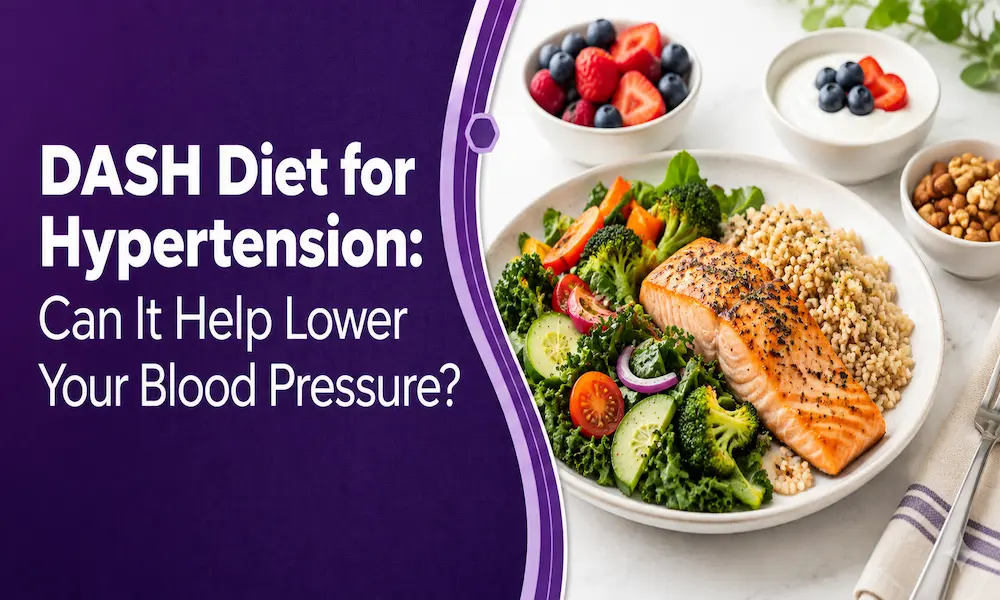
DASH diet for hypertension—could changing what you eat help improve the blood pressure numbers that keep worrying you? Perhaps you already avoid the salt shaker, yet your readings still run higher than your doctor recommends. What might your everyday meals reveal?
The answer involves more than adding vegetables or skipping salty snacks. Your overall eating pattern, portions, medications, and health history all matter. Fortunately, you can start with manageable changes instead of rebuilding your entire menu.
If you feel unsure where to begin, a primary care conversation can help you connect food choices with your blood pressure goals. Here’s what to understand before your next grocery trip—and what to discuss at your next appointment.
What Is the DASH Diet?
DASH stands for Dietary Approaches to Stop Hypertension. It emphasizes vegetables, fruit, whole grains, low-fat dairy, and lean protein while limiting sodium, saturated fat, and added sugars.
Unlike plans that require expensive products, DASH works with ordinary groceries. Moreover, its flexibility allows you to adapt meals to your preferences and calorie needs. The National Heart, Lung, and Blood Institute provides daily and weekly food-group targets.
How Does the DASH Diet Help With Blood Pressure?
The DASH diet for blood pressure brings together several useful changes: less sodium, more nutrient-rich foods, and a balanced eating pattern.
Potassium helps the body manage sodium, while calcium and magnesium support normal body functions, including blood pressure regulation. However, no single nutrient explains every benefit.
Research supports the DASH diet for hypertension, but your response depends on several factors. Therefore, judge progress through blood pressure monitoring and follow-up rather than how different you feel. Learn about DASH’s benefits.
What Can You Eat on the DASH Diet?
Start with familiar foods, then consider how they fit together throughout the day.
Food group | Practical choices | Example serving |
Whole grains | Oatmeal, brown rice | ½ cup cooked |
Vegetables | Carrots, broccoli | ½ cup chopped |
Fruit | Apples, berries | One medium apple |
Low-fat dairy | Plain yogurt, milk | One cup |
Lean protein | Fish, skinless poultry | One ounce cooked |
Beans and lentils | Chickpeas, lentils | ½ cup cooked |
These amounts describe individual servings, not complete meals. For example, a three-ounce piece of fish provides three one-ounce servings.
Additionally, your daily targets depend on your calorie needs. Avoid treating a sample 2,000-calorie plan as a prescription for everyone. Check the serving framework.
Which Foods Should You Limit for Hypertension?
Look first at foods you eat most often. Deli meats, instant noodles, packaged soups, salty snacks, and bottled sauces can contribute considerable sodium.
Meanwhile, frequent sweets, sugary drinks, fatty meats, and full-fat dairy can work against DASH’s nutritional goals.
However, one imperfect meal doesn’t erase your efforts. Instead, identify a repeat habit you can change, such as replacing a sugary drink or choosing a lower-sodium lunch. The plan emphasizes your overall pattern. Review the food recommendations.
Potential Health Benefits of the DASH Diet
The DASH diet for hypertension may offer benefits beyond blood pressure control. However, the strength of the evidence varies across health outcomes.
Better Blood Pressure Control
DASH can help lower blood pressure through a balanced eating pattern and reduced sodium intake. However, individual results vary, and some people still need medication.
Support for Weight Management
DASH can support weight management when portions and calorie intake match your goals. Nevertheless, following the plan doesn’t automatically lead to weight loss. Learn about blood pressure and weight benefits.
Healthier Cholesterol Levels
Alongside blood pressure benefits, DASH may help lower LDL cholesterol. Together, improvements in these risk factors can support cardiovascular health. Explore the heart-health benefits.
Potential Metabolic Health Benefits
Research links greater DASH adherence with a lower likelihood of metabolic syndrome—a cluster of conditions involving blood pressure, blood sugar, waist size, and cholesterol or triglyceride levels. However, this association doesn’t prove that DASH alone prevents the condition.
Possible Benefits for Diabetes Risk
Some research associates DASH with a lower risk of type 2 diabetes and improvements in insulin resistance. Still, people with diabetes need individualized guidance on portions, carbohydrates, and medications.
Associations With Lower Cancer Risk
Some observational studies link DASH-style eating with lower rates of certain cancers. However, these findings don’t establish that the diet prevents cancer. Continue recommended screenings regardless of your eating habits. Review the research overview on metabolic health, diabetes, and cancer.
How Much Sodium Is Right for You?
The standard DASH approach limits sodium to 2,300 milligrams daily. A lower-sodium version uses 1,500 milligrams daily. Your clinician can help you select a target that fits your health needs. Sodium guidance.
Remember, that total includes sodium throughout your diet—not just salt you add.
Before comparing products, check their serving sizes. For instance, eating two servings doubles the sodium amount on the label. Consequently, understanding portions makes the DASH diet for hypertension easier to apply consistently.
What Does a Day of DASH Eating Look Like?
Consider this simple menu as inspiration:
Breakfast: Oatmeal with berries and plain low-fat yogurt.
Lunch: Brown rice, no-salt-added beans, chopped vegetables, and olive oil.
Dinner: Baked fish with roasted broccoli and a small baked potato.
Snack: An apple with a small portion of unsalted nuts.
Next, adjust portions to your appetite, calorie needs, and medical guidance. Product choices and preparation affect sodium, so this menu doesn’t guarantee a specific daily total.
For variety, swap ingredients you dislike for suitable alternatives. A plan you enjoy offers more practical value than a menu you abandon after three days.
How Can You Start Without Giving Up Familiar Meals?
Choose one meal to improve first. For example, add vegetables to your usual rice dish or replace a salty processed meat with another protein.
Then, make a short grocery list around that change. Plain frozen vegetables, oats, and no-salt-added canned beans can simplify preparation.
Similarly, experiment with lemon, garlic, herbs, and salt-free spices for flavor. Check seasoning blends carefully because some contain substantial salt. Explore practical sodium swaps.
How Can You Follow DASH When Eating Out?
Before ordering, review nutrition information when the restaurant provides it. Otherwise, ask whether the kitchen can prepare your meal with less salt.
Also, request sauces and dressings separately. Smoked, cured, or pickled ingredients often signal substantial sodium.
When possible, choose vegetables or fruit as sides. However, ask about preparation rather than assuming every vegetable dish contains little salt. Find more dining suggestions.
How Soon Could Your Blood Pressure Change?
Some people experience improvement within a few weeks. However, the amount and timing vary, so avoid expecting a guaranteed drop. Review the evidence overview.
As you follow the DASH diet for hypertension, keep the blood pressure record your clinician recommends.
Meanwhile, note practical challenges, including restaurant meals or difficulty finding suitable foods. Those details can make follow-up discussions more useful than a simple “the diet didn’t work.”
Can the DASH Diet Replace Blood Pressure Medication?
Dietary changes can contribute to blood pressure management, but they don’t automatically replace medication.
Even if your readings improve, don’t stop treatment or change doses yourself. Instead, discuss your readings with your prescriber.
Think of the DASH diet for hypertension as one part of your care plan. Your clinician can evaluate progress and decide whether your treatment needs adjustment.
When Should You Ask Your Doctor About Dietary Changes?
Speak with your clinician before substantially increasing potassium if you have kidney disease or take medicines that affect potassium levels.
In particular, don’t assume potassium-based salt substitutes suit everyone. They can raise potassium dangerously in some people. Read the potassium precautions.
Additionally, mention food allergies, dietary restrictions, and supplements. Individual guidance can help you adapt the plan without overlooking another health concern.
When to Get Primary Care Help for High Blood Pressure
Arrange a visit when readings repeatedly exceed your personal target, treatment causes concerns, or you need help changing your habits.
Bring your home readings, medication list, and specific questions. For example, ask which sodium target fits your situation.
However, very high readings require faster action. If systolic pressure exceeds 180 or diastolic pressure exceeds 120, with chest pain, breathlessness, weakness, or vision changes, call 911. Without symptoms, repeat after at least one minute; if readings remain that high, contact a healthcare professional immediately. Emergency guidance.
Final Takeaway
The DASH diet for hypertension offers a flexible framework for everyday eating. Progress comes from repeatable habits, appropriate portions, and attention to your individual needs. Food choices matter, while monitoring and medical follow-up help you understand how those choices fit your broader care.
Ready to discuss your next step?
Book an appointment with Passion Health Physicians and bring your blood pressure questions to your visit.
Frequently Asked Questions
1. Can I eat eggs, rice, and potatoes?
Yes. These foods can fit, although preparation and portions matter. For instance, compare plain potatoes with heavily salted preparations. Food guidance.
2. Can vegetarians follow DASH?
Yes. Beans, lentils, nuts, and other suitable protein choices can help you build varied meals.
3. Can I drink coffee?
Caffeine can temporarily raise blood pressure. Therefore, ask your clinician whether your usual intake needs adjustment. Caffeine considerations.
4. Can DASH help with weight management?
It can support weight-management efforts. However, portions and total calorie intake still influence results. Weight-management context.

About the Author
Dr. Anantha Chentha is a board-certified internal medicine physician with extensive experience in primary care and chronic disease management. He provides comprehensive, patient-centered care with a focus on prevention, accurate diagnosis, and long-term health management.
View Provider Profile →