
What Should Patients Know About This New Cholesterol Treatment?
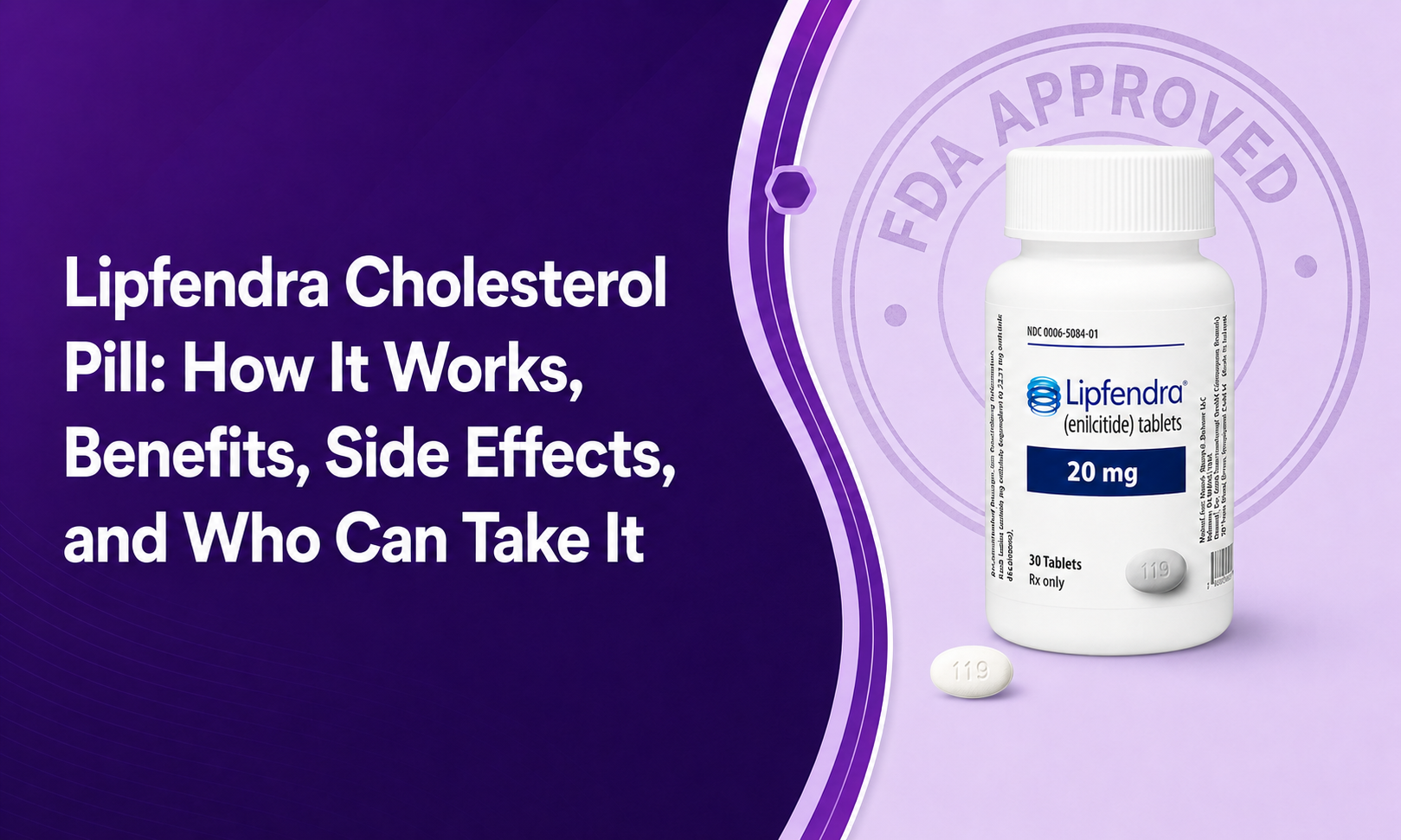
The FDA approved Lipfendra, also known as enlicitide, on July 16, 2026. This prescription medicine gives adults the first oral PCSK9 inhibitor designed to lower low-density lipoprotein cholesterol, often called LDL or “bad” cholesterol.
Until now, patients who needed a PCSK9 inhibitor generally used an injection. The Lipfendra cholesterol pill introduces a once-daily tablet, which may provide another option for adults who need greater LDL reduction.
However, a new medication does not suit every person with high cholesterol. A healthcare professional must review the patient’s cholesterol results, current medicines, cardiovascular risk, and treatment history before recommending it.
If your LDL remains high despite treatment, Passion Health Advanced Primary Care can review your results and help you understand your options.
Patients looking for primary care in Frisco, Irving, Plano, Prosper, Anna, Aubrey, Flower Mound, Ennis, Kaufman, Kemp, Mesquite, McKinney, TX
What Is the Lipfendra Cholesterol Pill?
Lipfendra contains enlicitide, a medicine that blocks a liver protein called PCSK9.
The FDA approved the 20-mg tablet for adults with hypercholesterolemia, including heterozygous familial hypercholesterolemia, or HeFH.
HeFH causes inherited high LDL cholesterol. People with this condition may develop high levels early in life, even when they follow a balanced diet and exercise regularly.
Doctors prescribe the Lipfendra cholesterol pill alongside diet and physical activity. The medicine does not replace heart-healthy habits, routine testing, or treatment for related risks such as high blood pressure and diabetes.
How Does Lipfendra Lower LDL Cholesterol?
The liver has LDL receptors that remove LDL particles from the bloodstream. PCSK9 attaches to those receptors and encourages the liver to break them down. As a result, fewer receptors remain available to clear LDL.
Lipfendra blocks the connection between PCSK9 and LDL receptors. Therefore, the liver keeps more working receptors and removes more LDL from the blood.
Here is the process in simple terms:
Liver cells use tiny docking sites called LDL receptors to pull excess LDL cholesterol from the blood.
These receptors collect LDL cholesterol from the bloodstream.
PCSK9 normally reduces the number of available receptors.
Lipfendra prevents PCSK9 from attaching to them.
More receptors continue clearing LDL cholesterol.
Consequently, the Lipfendra cholesterol pill works differently from a statin, although both treatments aim to lower LDL.
How Effective Was Lipfendra in Clinical Trials?
The FDA reviewed two Phase 3 trials involving 3,207 adults who still needed additional LDL reduction. Many people in the trials stayed on their existing cholesterol medicines while researchers evaluated Lipfendra’s added effect.
At week 24, Lipfendra reduced LDL by 56% compared with placebo in the CORALreef Lipids trial. In the CORALreef HeFH study, lipfendra lowered LDL cholesterol by about 59% more than placebo among adults with an inherited form of high cholesterol.
What Could a 56% LDL Reduction Look Like?
Consider a person with an LDL level of 160 mg/dL. A 56% reduction would produce the following calculation:
160 × 0.56 = 89.6 mg/dL estimated reduction
160 − 89.6 = 70.4 mg/dL estimated remaining LDL
This example only demonstrates the calculation. It does not promise that the Lipfendra cholesterol pill will lower every patient’s LDL from 160 to 70.4 mg/dL.
For that reason, patients need repeat lipid testing after starting or changing cholesterol treatment. A clinician can then compare the result with an individualized LDL goal.
Is Lipfendra Better Than a Statin?
Lipfendra and statins both lower LDL, but they follow different biological pathways. Statins reduce the liver’s cholesterol production. In contrast, Lipfendra protects LDL receptors by blocking PCSK9.
Statins remain a first-line treatment for many adults because decades of research show that they can reduce heart attacks, strokes, and cardiovascular deaths in appropriate patients.
Lipfendra may help selected adults who still have high LDL despite their current treatment.
Notably, the major Lipfendra trials generally included people taking stable, maximally tolerated statin therapy. Therefore, patients should not view the new pill as an automatic statin replacement.
A doctor may consider factors such as previous statin reactions, current LDL, family history, and cardiovascular risk before adjusting the treatment plan.
How Does Lipfendra Compare With PCSK9 Injections?
Lipfendra and injectable PCSK9 medicines target the same protein to help the liver remove more LDL cholesterol.
However, Lipfendra comes as a once-daily tablet taken on an empty stomach, while injectable treatments follow weekly, monthly, or product-specific schedules.
Some patients may prefer a tablet, while others may find less-frequent injections easier. Injectable PCSK9 medicines have established cardiovascular-outcome evidence for certain patients, while researchers continue to study whether Lipfendra directly reduces heart attacks and strokes.
Who May Benefit From Lipfendra?
A clinician may consider the Lipfendra cholesterol pill for an adult who needs additional LDL lowering despite diet, exercise, and existing treatment.
Potential candidates may include adults with:
Hypercholesterolemia
Heterozygous familial hypercholesterolemia
Previous cardiovascular disease
A high risk of developing cardiovascular disease
LDL levels that remain above an individualized target
Difficulty accepting injectable treatment
However, these factors do not guarantee eligibility. A clinician must assess each patient’s complete health profile and discuss the available alternatives.
How Should Patients Take Lipfendra?
Patients should take one 20-mg tablet each morning on an empty stomach. They may take it with water, black coffee, or plain tea.
Next, they must wait at least 30 minutes before eating or drinking anything else. Patients should swallow the tablet whole and should not crush, split, or chew it.
If someone misses a dose, they may take it after remembering, provided they can follow the 30-minute fasting requirement. However, they should never take two doses during the same day.
These instructions matter because food and certain drinks may affect how the body absorbs the medicine.
Patients should follow the prescription label and contact their pharmacist or prescriber if the routine causes difficulty.
What Side Effects Can Lipfendra Cause?
In CORALreef Lipids, participants taking Lipfendra reported adverse reactions at frequencies similar to those taking placebo.
However, the HeFH trial found two reactions more often among Lipfendra users:
Dizziness occurred in 9% of the Lipfendra group and 4% of the placebo group.
Diarrhea occurred in 7% of the Lipfendra group and 2% of the placebo group.
Clinical trials cannot identify every possible reaction. Therefore, patients should contact their healthcare provider if symptoms persist, worsen,n or interfere with hydration and daily activities.
Anyone who develops severe symptoms or signs of an allergic reaction should seek urgent medical attention.
Experiencing Side Effects or Still Have High LDL?
A primary care provider can review your cholesterol results, current medicines and cardiovascular risk before you start, stop or switch treatment.
Book an Appointment →Who Should Discuss Extra Precautions With a Doctor?
Before starting the Lipfendra cholesterol pill, patients should tell their clinician about every prescription medicine, nonprescription product, vitamin, and herbal supplement they use.
They should also discuss the treatment carefully if they:
Are pregnant or plan to become pregnant
Are breastfeeding
Already use another PCSK9 inhibitor
Have trouble taking medicine on an empty stomach
Experienced reactions to previous cholesterol treatments
Frequently miss daily medicines
Researchers have not established Lipfendra’s safety and effectiveness in children. Furthermore, available information does not confirm whether the medicine may harm an unborn baby.
Does Lipfendra Prevent Heart Attacks or Strokes?
High LDL contributes to plaque buildup inside arteries. Over time, that process can raise the likelihood of a heart attack or stroke. Lowering LDL plays an important role in cardiovascular risk management.
Still, the current FDA approval confirms that Lipfendra lowers LDL. Researchers have not yet shown that this specific medicine reduces heart attacks, strokes, cardiovascular deaths, hs, or overall mortality.
Merck continues to evaluate those outcomes in the large CORALreef Outcomes trial, which includes more than 14,500 participants. Until researchers report conclusive results, health content should not describe Lipfendra as a proven heart attack prevention pill.
What Should You Ask During a Primary Care Visit?
A primary care clinician can interpret cholesterol numbers in the context of the whole person. During the appointment, discuss:
Recent LDL, HDL, and triglyceride results
Current cholesterol medicines and doses
Previous medication reactions
Personal history of heart disease or stroke
Family history of early cardiovascular disease
Blood pressure and blood sugar
Smoking or tobacco exposure
Diet and physical activity
Pregnancy or breastfeeding
Insurance coverage and expected cost
Moreover, primary care can coordinate a cardiology or lipid-specialist referral when a patient has very high LDL, suspected familial hypercholesterolemia, or complex treatment needs.
Final Takeaway
The Lipfendra cholesterol pill marks an important step in cholesterol care because it brings PCSK9 inhibition into a once-daily oral treatment. Phase 3 trials found substantial LDL reductions, including among adults with inherited high cholesterol.
However, Lipfendra does not automatically replace statins or injectable PCSK9 medicines. Additionally, researchers still need to determine whether the medication directly reduces cardiovascular events.
Therefore, patients should avoid starting, stopping, or switching cholesterol medicines without professional guidance.
A thoughtful treatment decision should account for laboratory results, medical history, cardiovascular risk, daily routine, and personal preferences.
If your LDL remains high or your current medication causes problems,
schedule an appointment with Passion Health Advanced Primary Care. Our primary care team can review your cholesterol results, assess cardiovascular risks, and help you discuss the next ap
Our Primary Care Locations
Frequently Asked Questions
1. Is Lipfendra a statin?
No. Lipfendra blocks PCSK9, while statins reduce cholesterol production inside the liver.
2. How often do patients take Lipfendra?
Patients take one 20-mg tablet every morning on an empty stomach.
3. Can Lipfendra replace a PCSK9 injection?
It may offer an alternative for some adults. However, a clinician should evaluate the benefits and risks before switching treatment.
4. What are the most common Lipfendra side effects?
The HeFH trial reported dizziness and diarrhea more frequently with Lipfendra than with the placebo.
5. Can Lipfendra prevent a heart attack?
Lipfendra can bring LDL cholesterol down, but current evidence does not yet show whether it also lowers the chance of a heart attack or stroke.