
Is Tramadol Safe? What Patients Should Know Before Taking It
Pain can interrupt sleep, movement, work, mood, and daily comfort. When pain becomes hard to manage, a doctor may prescribe stronger medicine. Tramadol is one of those medicines, and it needs careful use.
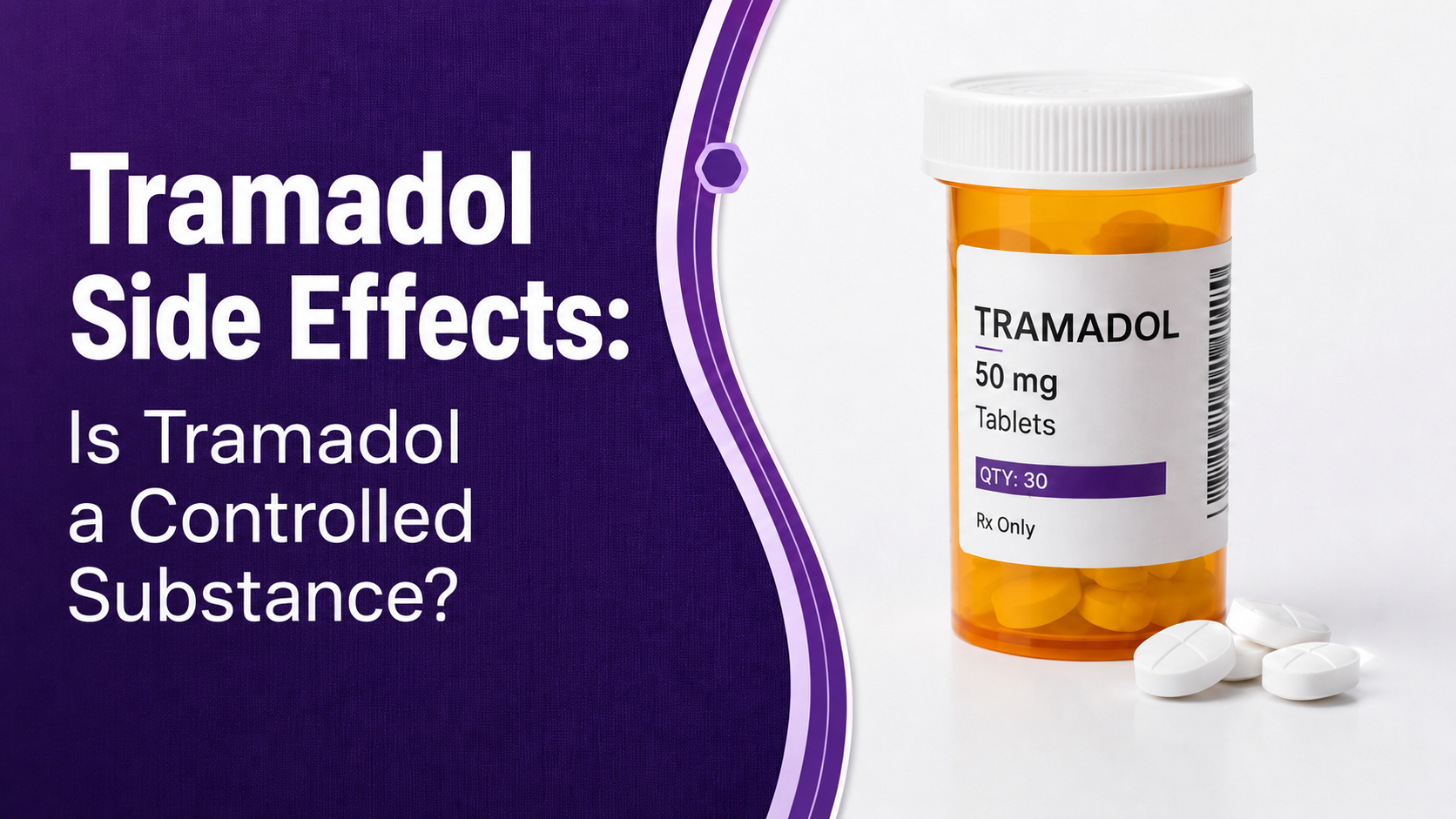
Many people search for tramadol side effects: Is tramadol a controlled substance? because they want a simple answer before taking it.
Yes, tramadol can help certain types of moderate to severe pain.
However, it can also cause sleepiness, constipation, dizziness, dependence, withdrawal symptoms, and serious safety concerns when used without proper medical guidance.
If tramadol worries you, do not guess or change your medicine on your own.
Passion Health Advanced Primary Care can help with medication review, side effect questions, and safer pain care guidance.
Patients looking for primary care in Frisco, Irving, Plano, Prosper, Anna, Aubrey, Flower Mound, Ennis, Kaufman, Kemp, or Mesquite can schedule care →
What Is Tramadol?
Tramadol is a prescription opioid pain medicine. Doctors may use it when pain needs stronger treatment and other options do not provide enough relief or do not suit the patient’s health condition.
This medicine works through the brain and nervous system. It changes how the body senses pain.
Because of that action, tramadol may reduce pain, but it can also affect alertness, balance, breathing, mood, and digestion.
Tramadol does not fit every patient. A doctor must consider age, other medicines, kidney function, liver function, breathing conditions, seizure history, past substance misuse, and overall health before prescribing it.
Side Effects of Tramadol That Affect Daily Life
Tramadol side effects can start mildly. Still, even mild symptoms can affect safety and daily life.
For example, dizziness can increase fall risk. Sleepiness can make driving unsafe. Constipation can become painful when ignored.
Common tramadol side effects may include:
Sleepiness
Dizziness
Nausea
Vomiting
Dry mouth
Sweating
Fatigue
Weakness
Mood changes
Some patients notice symptoms soon after starting tramadol. Others feel side effects after a dose change or after taking tramadol with another medicine.
Is Tramadol a Controlled Substance?
Yes. Tramadol is a controlled substance in the United States. It belongs to Schedule IV, which means it has accepted medical use but also carries risk for misuse, dependence, and withdrawal.
Some patients also ask, “Is tramadol an opioid?” Yes, tramadol is an opioid pain medicine.
People may also use the word “narcotic” when talking about opioid pain medicines. Because tramadol affects opioid receptors, doctors treat it with careful safety rules.
Why Is Tramadol Controlled?
Tramadol has a controlled substance status because it can cause serious risks, especially when patients take it incorrectly.
Possible risks include:
Misuse
Dependence
Withdrawal symptoms
Strong drowsiness
Breathing problems
Overdose risk
Drug interactions
Unsafe sedation
These risks rise when someone takes extra doses, uses alcohol, mixes tramadol with sleep medicines, combines it with anxiety medicines, or takes another person’s prescription.
Why Tramadol Can Cause Sleepiness, Constipation, and Dizziness
Tramadol affects the central nervous system. This explains why it may ease pain and also cause sleepiness or slower thinking.
Constipation happens because opioid medicines can slow the movement of the bowel.
This effect may start early and may worsen when patients do not drink enough fluids, move less, or take other medicines that also slow digestion.
Dizziness may occur because tramadol can affect balance, alertness, and blood pressure changes. Some people feel worse when standing quickly.
If tramadol causes strong sleepiness, confusion, faintness, severe constipation, or unsafe dizziness, speak with a healthcare professional before taking the next step.
Tramadol Dosage Safety: What Patients Should Know
Tramadol dosage must come from the prescribing doctor. Online dosage advice cannot review your health history, current medicines, pain level, kidney health, liver health, or breathing risk.
A safer tramadol plan depends on:
Age
Pain type
Pain severity
Medical history
Kidney health
Liver health
Other prescriptions
Over-the-counter medicines
Type of tramadol prescribed
Risk for dependence or withdrawal
Follow these safety rules:
Take tramadol exactly as prescribed.
Do not take extra doses for faster relief.
Do not share tramadol with anyone.
Do not mix tramadol with alcohol.
Do not combine tramadol with sleep medicines, anxiety medicines, or other opioids unless your doctor approves.
Do not crush, chew, break, or dissolve extended-release tramadol.
Do not stop tramadol suddenly without medical guidance.
Ask your doctor or pharmacist what to do after a missed dose.
Tramadol Side Effects and Dosage Safety Warning
If tramadol does not control pain, do not increase the dose yourself. More medicine may not solve the pain.
Instead, it may increase sleepiness, constipation, dizziness, confusion, breathing problems, or overdose risk.
Pain that continues despite medication needs a medical review. A provider can check whether the pain source has changed, whether another condition plays a role, or whether a different care plan may fit better.
Serious Warning Signs That Need Medical Advice
Tramadol can cause dangerous reactions in some patients. Watch closely for symptoms that feel unusual, intense, or unsafe.
Seek medical help for:
Trouble breathing
Extreme drowsiness
Confusion
Fainting
Seizure-like symptoms
Severe dizziness
Severe constipation
Swelling of the face, lips, tongue, or throat
Rash or allergic reaction
Unusual mood or behavior changes
Symptoms after mixing tramadol with alcohol or sedating medicines
These signs matter because tramadol can affect the nervous system and breathing. Quick action can help prevent a worse outcome.
Tramadol Safety Tips Before Taking It
Before taking tramadol, tell your doctor about every prescription, over-the-counter medicine, vitamin, and supplement you use. This step matters because some combinations can increase sedation, seizure risk, serotonin syndrome risk, or breathing problems.
Also, tell your doctor if you have:
COPD
Kidney disease
Liver disease
Seizure history
Depression or mood concerns
Past substance misuse
Recent head injury
Severe constipation
Stomach or bowel blockage history
Medication safety starts before the first dose. A clear review helps patients avoid preventable problems.
How Passion Health Advanced Primary Care Can Help
Passion Health Advanced Primary Care helps patients understand tramadol side effects, dosage safety, drug interactions, and pain medicine concerns.
A provider can review current medicines, check possible interaction risks, and discuss symptoms such as dizziness, constipation, nausea, fatigue, or sleepiness.
If pain continues or side effects affect daily life, a provider can guide the next step.
This may include lab testing, safer pain planning, medication review, or referral to a specialist when needed.
When to Talk to a Primary Care Doctor
Talk with a primary care doctor when tramadol causes side effects, pain continues, or several medicines create confusion.
Medication questions become more important when a patient has chronic conditions, older age, kidney problems, liver problems, or breathing concerns.
You should also discuss symptoms like constipation, dizziness, sleepiness, nausea, or weakness when they affect normal life.
Small symptoms can become bigger problems when patients ignore them.
Tramadol may help some patients, but it requires careful use. The safest plan starts with clear instructions, honest symptom updates, and regular medication review.
Final Takeaway
Passion Health Advanced Primary Care helps patients get safer guidance for tramadol side effects, dosage safety, drug interactions, and pain medicine concerns.
Need help understanding tramadol side effects or medication safety? Passion Health Advanced Primary Care can support safer decisions. Book an appointment →
FAQs
1. Is tramadol a controlled substance?
Yes. Tramadol is a Schedule IV controlled substance in the U.S. because it carries misuse, dependence, withdrawal, and safety risks.
2. Is tramadol an opioid?
Yes. Tramadol is an opioid pain medicine. It works through the brain and nervous system to reduce pain signals.
3. Does tramadol make you sleepy?
Yes. Tramadol can cause sleepiness, dizziness, and slower reaction time. Avoid driving until you know how it affects you.
4. Does tramadol cause constipation?
Yes. Constipation is a common tramadol side effect because opioid medicines can slow bowel movement.
5. Can I change my tramadol dosage myself?
No. Do not change your tramadol dosage without medical guidance. Ask your prescribing doctor or pharmacist for safe instructions.