AI in Healthcare: How Artificial Intelligence Is Transforming Modern Medicine
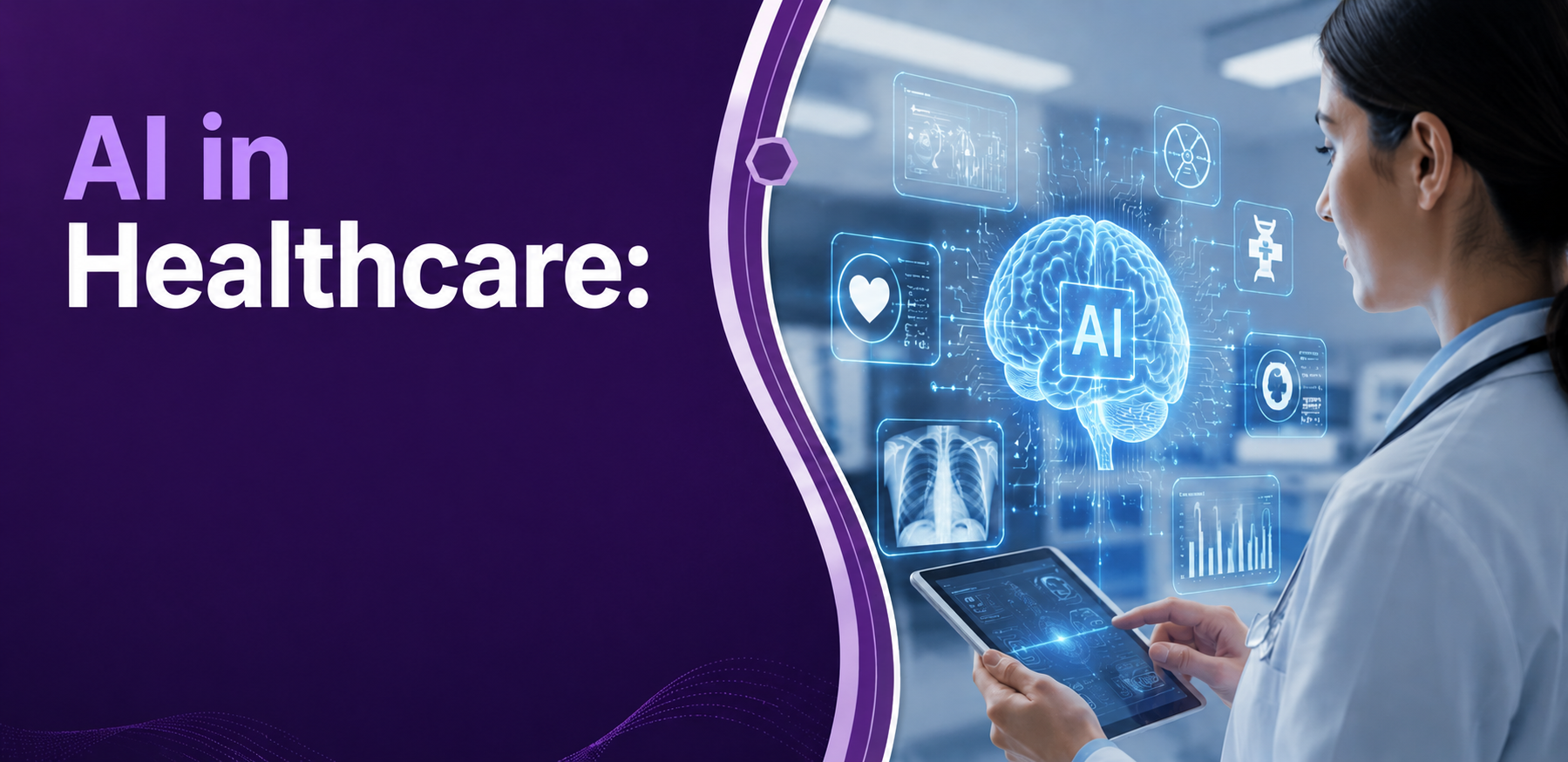
Artificial Intelligence (AI) is rapidly transforming healthcare, helping providers deliver more accurate diagnoses, personalised treatments, and improved patient experiences. Once considered futuristic technology, AI is now becoming an essential part of healthcare systems worldwide.
From analyzing medical images and predicting disease risks to streamlining administrative tasks and supporting clinical decision-making, AI in healthcare is helping medical professionals work more efficiently while enhancing patient care. As healthcare organizations continue to adopt AI-driven solutions, patients can benefit from earlier interventions, improved outcomes, and more accessible care.
This article explores how AI is changing healthcare, its benefits, challenges, and what the future may hold for patients and providers alike.
Book an Appointment with Passion Health Advance Primary Care
Healthcare is entering a new era driven by innovation, data, and intelligent technology. At Passion Health Advance Primary Care, we believe in combining compassionate, patient-centered care with modern medical advancements to deliver better health outcomes. Whether you need preventive care, chronic disease management, or personalized healthcare guidance, our team is here to help.
What Is AI in Healthcare?
Artificial intelligence (AI) refers to advanced computer systems that can analyze information, learn from data, and perform tasks that traditionally require human intelligence and decision-making. These systems can analyze large amounts of data, identify patterns, learn from experience, and make predictions or recommendations.
In healthcare, AI technologies include:
Machine Learning (ML)
Natural Language Processing (NLP)
Predictive Analytics
Computer Vision
Robotic Process Automation
Clinical Decision Support Systems
“These innovations empower healthcare professionals to make more accurate clinical decisions, improve patient care, and enhance overall operational efficiency.”
Why AI Matters in Modern Healthcare
Healthcare generates enormous amounts of data every day, including:
Electronic Health Records (EHRs)
Laboratory results
Wearable device data
Patient histories
Medication records
AI can process this information faster than traditional methods, helping clinicians identify trends, detect abnormalities, and provide timely interventions.
As healthcare demands continue to rise, AI offers valuable support by improving accuracy, reducing costs, and enhancing patient care delivery.
Key Applications of AI in Healthcare
1. Early Disease Detection and Diagnosis
One of the most significant benefits of AI is its ability to detect diseases earlier.
AI-powered systems can analyse the following:
X-rays
CT scans
MRI images
Mammograms
Pathology slides
These tools can identify abnormalities that may be difficult for the human eye to detect, helping healthcare providers diagnose conditions earlier and initiate treatment sooner.
Examples include:
Heart disease risk assessment
Stroke identification
Lung disease screening
2. Personalised Treatment Plans
Every patient is unique, and AI helps move healthcare toward more personalised medicine.
By analysing:
Genetic information
Medical history
Lifestyle factors
Treatment responses
AI can help physicians develop individualized treatment strategies that improve effectiveness and reduce unwanted side effects.
Personalized care supports better outcomes while helping patients feel more engaged in their healthcare journey.
3. Predictive Healthcare and Prevention
Preventive medicine is becoming increasingly important, and AI plays a critical role in predicting future health risks.
AI systems can identify patients who may be at risk for the following:
Diabetes
Hypertension
Heart disease
Kidney disease
Hospital readmissions
By recognizing risks early, healthcare providers can implement preventive interventions before serious complications develop.
4. Virtual Health Assistants and Chatbots
AI-powered virtual assistants help patients access healthcare information more conveniently.
These tools can:
Answer common health questions
Schedule appointments
Provide medication reminders
Support symptom monitoring
Assist with follow-up care
While they do not replace healthcare professionals, they improve accessibility and patient engagement.
5. Enhanced Chronic Disease Management
Millions of people live with chronic conditions that require ongoing monitoring.
AI helps manage conditions such as the following:
Asthma
Heart disease
By leveraging wearable devices and remote monitoring technologies, AI can continuously track patient health data, enabling healthcare providers to detect potential issues early and intervene proactively when needed.
6. Administrative Efficiency
Healthcare providers spend considerable time on administrative tasks.
AI can automate:
Medical documentation
Appointment scheduling
Insurance verification
Billing processes
Data entry
By streamlining administrative tasks, clinicians can devote more time to providing personalised, high-quality patient care.
Benefits of AI in Healthcare
Improved Diagnostic Accuracy
AI assists healthcare professionals by providing data-driven insights that support more accurate diagnoses.
Faster Decision-Making
AI processes large datasets quickly, helping providers make timely clinical decisions.
Better Patient Outcomes
Earlier detection, personalised treatments, and proactive interventions can lead to improved health outcomes.
Increased Efficiency
Automation reduces repetitive tasks and improves healthcare workflow.
Enhanced Patient Experience
Patients benefit from faster services, better communication, and more personalized care.
Cost Reduction
By improving efficiency and preventing complications, AI can help lower healthcare costs over time.
Challenges and Considerations
Despite its many advantages, AI in healthcare presents important challenges.
Data Privacy and Security
Healthcare organizations must protect sensitive patient information and comply with privacy regulations.
Algorithm Bias
The effectiveness and reliability of AI systems are largely determined by the quality, accuracy, and diversity of the data used to train them. Biased datasets can lead to unequal healthcare outcomes.
Regulatory Oversight
Healthcare AI tools require rigorous testing and ongoing evaluation to ensure safety and effectiveness.
Human Oversight Remains Essential
AI should support healthcare professionals, not replace them. Clinical expertise and human judgment remain critical components of patient care.
The Future of AI in Healthcare
The future of healthcare will likely involve even deeper integration of AI technologies.
Emerging innovations include:
AI-assisted drug discovery
Precision medicine
Advanced robotic surgery
Predictive population health management
Real-time patient monitoring
Digital health ecosystems
As these technologies continue to evolve, healthcare organisations will have new opportunities to improve care quality, accessibility, and patient outcomes.
How Passion Health Advances Primary Care Embraces Innovation
At Passion Health Advance Primary Care, we recognise the value of technological advancements that support better patient care. While technology continues to evolve, our commitment remains centred on providing compassionate, personalised healthcare for every patient.
We focus on:
Comprehensive wellness services
Patient education
Personalized treatment planning
By combining modern healthcare practices with a patient-first approach, we strive to help individuals and families achieve their healthiest lives.
Conclusion
AI in healthcare is transforming the way medicine is practiced, creating opportunities for earlier diagnoses, personalized treatments, improved efficiency, and better patient outcomes. While challenges remain, the responsible use of artificial intelligence has the potential to enhance healthcare delivery and support both patients and providers.
As healthcare continues to evolve, the most effective approach will combine advanced technology with compassionate human care. Patients deserve both innovation and personal attention, ensuring healthcare remains accurate, accessible, and centered on their needs.
Book an appointment with Passion Health Advance Primary Care. Your health deserves expert attention and personalized care. Whether you need preventive services, chronic disease management, wellness support, or guidance on your healthcare journey, Passion Health Advance Primary Care is here to help.
Book an appointment today and take the next step toward better health with a team that puts patients first.
Frequently Asked Questions (FAQs)
1. What is AI in healthcare?
AI in healthcare refers to the use of artificial intelligence technologies to analyze medical data, support clinical decisions, improve diagnostics, personalize treatment plans, and enhance healthcare operations.
2. How does AI improve patient care?
AI helps healthcare providers identify diseases earlier, develop personalized treatments, monitor patients more effectively, and make faster clinical decisions that improve outcomes.
3. Can AI replace doctors?
No. AI is designed to assist healthcare professionals, not replace them. Human expertise, empathy, communication, and clinical judgment remain essential in patient care.
4. Is AI in healthcare safe?
When properly developed, tested, and regulated, AI can be a safe and valuable tool. Healthcare organizations must ensure strong data security, privacy protections, and clinical oversight.
5. What are the biggest benefits of AI in healthcare?
Major benefits include improved diagnostic accuracy, enhanced efficiency, personalized treatment, earlier disease detection, better patient outcomes, and reduced healthcare costs.
6. How is AI used in preventive healthcare?
AI analyzes patient data to identify risk factors for diseases such as diabetes, heart disease, and hypertension, allowing healthcare providers to implement preventive measures earlier.
7. What role does AI play in chronic disease management?
AI supports continuous monitoring, identifies health trends, provides alerts for potential complications, and helps providers manage chronic conditions more effectively.
8. What is the future of AI in healthcare?
Future developments include precision medicine, advanced diagnostics, robotic surgery, predictive health analytics, drug discovery, and expanded remote patient monitoring capabilities.