
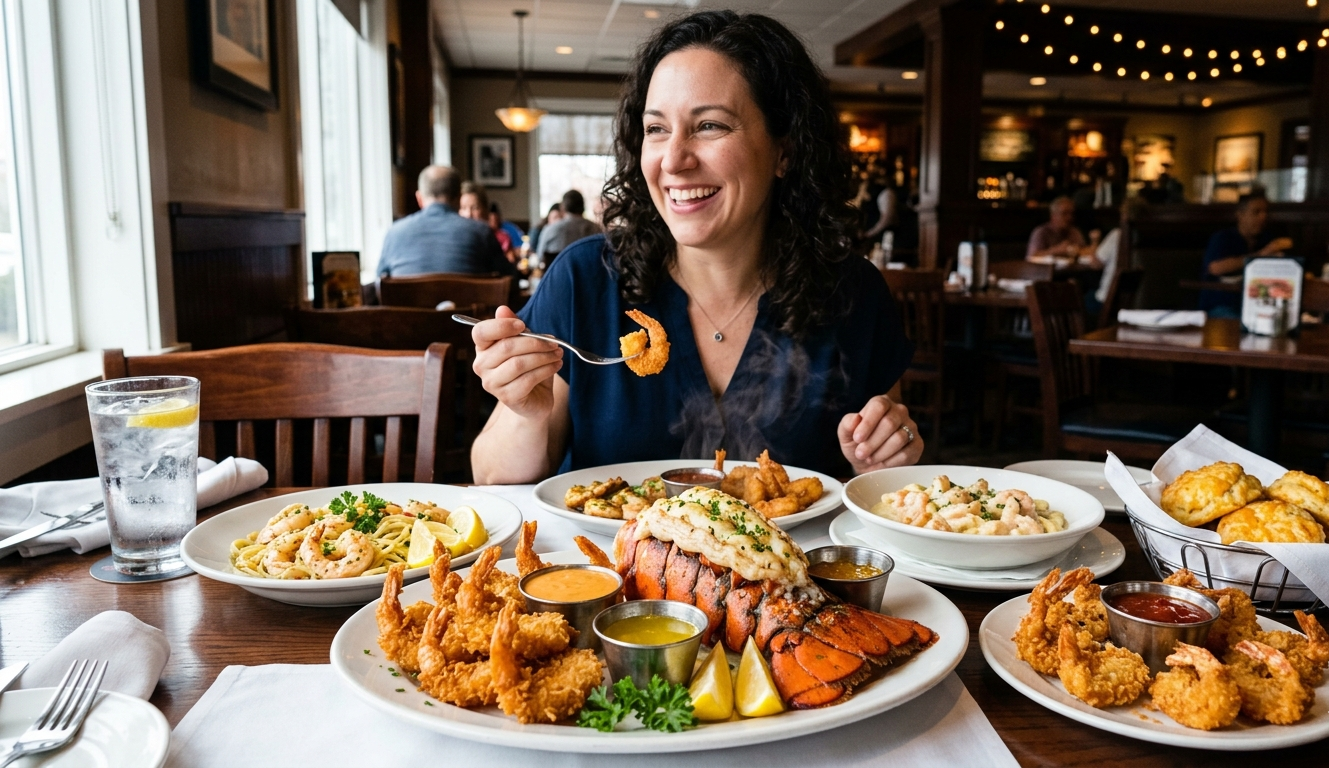
The Deal That Feels Too Good to Be True
“Unlimited shrimp” sounds exciting. The idea of enjoying plate after plate without limits pulls people in fast. But here’s the truth—your body doesn’t see it as a deal. It sees it as an overload.
Lobster endless shrimp promotions encourage over-eating without you even realizing it. One plate turns into three. Before you know it, you’ve crossed healthy limits.
So, is lobster endless shrimp actually safe for your health? Or does it quietly increase your risk for heart problems, high cholesterol, and weight gain?
If you care about your long-term health, you need clear answers—not marketing hype.
Want personalized nutrition advice? Book a consultation with Passion Health Advanced Primary Care today and get expert guidance tailored to your body.
Lobster vs Shrimp Nutrition: The Numbers Side by Side
Before you decide which wins, you need the facts. Here is a clean comparison of both shellfish per 3-ounce serving of cooked meat:
Nutrient | shrimp | lobster |
calories | 72 | 64 |
protein | 17g | 14g |
Total fat | 0.43g | 0.64g |
cholesterol | 94mg | 71mg |
Omega 3 | 0.48g | 0.37g |
selenium | Good source | Good source |
zinc | moderate | high |
Vitamin b12 | high | high |
iron | higher | moderate |
sodium | moderate | moderate |
Shrimp also leads in:
Choline — supports brain function and liver health
Vitamin B6 — helps regulate mood and metabolism
Phosphorus — essential for bone strength
Lobster and Shrimp: What Makes It So Popular
The appeal is simple—variety, flavor, and no portion control. You get fried shrimp, grilled shrimp, creamy sauces, and buttery sides all in one sitting.
But this “freedom” comes with hidden costs:
Large portion sizes
High sodium levels
Excess unhealthy fats
Added calories from sauces and sides
Lobster endless shrimp meals often combine multiple cooking styles. That means you’re not just eating shrimp—you’re consuming oils, refined carbs, and heavy seasonings.
And that’s where problems begin.
Is Lobster and Shrimp Healthy? The Real Answer
Shrimp itself offers real health benefits. It contains protein, vitamins, and minerals. However, lobster endless shrimp meals rarely serve shrimp in its healthiest form.
What’s Good About Shrimp
High-quality protein supports muscle health
Contains omega-3 fatty acids
Rich in selenium and vitamin B12
Low in calories when grilled or steamed
What Makes It Unhealthy in Endless Servings
Deep frying increases unhealthy fat intake
Heavy sauces add sugar and sodium
Large portions overload your digestive system
Excess calories lead to weight gain
So yes, shrimp can be healthy—but lobster endless shrimp dining often cancels those benefits.
Can Lobster and Shrimp Raise Cholesterol?
This is where many people get concerned—and rightly so.
Shrimp contains dietary cholesterol. While moderate intake may not harm healthy individuals, overeating changes the situation.
How It Impacts Your Body
Large shrimp portions increase cholesterol intake quickly
Fried options raise LDL (bad cholesterol)
Saturated fats in butter and sauces worsen heart risk
High sodium levels affect blood pressure
When you repeatedly indulge in lobster endless shrimp, you expose your body to higher cardiovascular stress.
Even if you feel fine today, long-term habits build risk silently.
Heart Health: Where Omega-3s Come In
Both lobster and shrimp contain omega-3 fatty acids — specifically EPA and DHA. These are the fats your heart and brain actively want.
Omega-3 fatty acids have been shown to reduce inflammation, triglycerides, and blood pressure, all of which are known risk factors in heart disease. The fatty acids found in fish and shellfish may also help promote brain health.
Lobster slightly edges shrimp in EPA and DPA content per serving. Shrimp leads in total omega-3s at 0.48 grams versus lobster’s 0.37 grams.
Lobster Endless Shrimp and Portion Control Problems
Your body needs balance. Endless meals remove that balance.
You may start eating beyond hunger because:
The deal encourages “value eating.”
Social settings push you to continue
Variety increases cravings
You lose track of the portion
This leads to:
Overeating calories
Slower metabolism over time
Increased belly fat
Blood sugar spikes
Portion control protects your health. Lobster endless shrimp challenges that control every time.
Who Should Choose Shrimp — and Who Should Go Lobster?
This is not a one-size-fits-all answer. Your health goals determine your winner.
Choose shrimp if you want to:
Maximize protein per calorie
Boost iron and choline intake
Support muscle repair and brain function
Keep costs manageable day to day
Choose lobster if you want to:
Strengthen immune defense
Support thyroid function with iodine and selenium
Reduce cholesterol intake compared to shrimp
Add zinc for healing and cell repair
Hidden Risks You Should Not Ignore
1. Sodium Overload
Shrimp dishes in restaurants often contain high salt levels. Excess sodium can:
Raise blood pressure
Cause water retention
Increase heart disease risk
2. Weight Gain
Calories add up quickly when you eat multiple servings. Even lean protein turns harmful when consumed in excess.
3. Digestive Stress
Your stomach struggles to process heavy meals loaded with fats and proteins. This may cause:
Bloating
Indigestion
Fatigue
4. Increased Heart Risk
Frequent indulgence in lobster and endless shrimp meals may contribute to:
High cholesterol
Artery buildup
Long-term cardiovascular issues
How to Enjoy Lobster Endless Shrimp Without Harming Your Health
You don’t need to avoid it completely. You just need to eat smart.
Choose Better Cooking Options
Go for grilled or steamed shrimp
Avoid deep-fried varieties
Skip creamy sauces
Control Your Portions
Limit yourself to 1–2 servings
Eat slowly and mindfully
Stop when you feel full
Balance Your Plate
Add vegetables to your meal
Reduce carb-heavy sides
Drink water instead of sugary beverages
Watch Frequency
Treat it as an occasional indulgence
Avoid making it a weekly habit
Small changes protect your heart, weight, and energy levels.
Feeling unsure about your diet choices? Passion Health Primary Care offers expert guidance to help you manage cholesterol, weight, and overall health. Book your consultation today and take control before problems begin.
Who Should Be Extra Careful?
Certain people should limit lobster and endless shrimp more strictly:
Individuals with high cholesterol
Patients with heart disease
People managing blood pressure
Those trying to lose weight
Individuals with diabetes
If you fall into any of these groups, even occasional overindulgence may affect your progress.
Smart Eating Builds Long-Term Health
Your daily choices shape your future health. One meal won’t define your body—but repeated habits will.
Lobster endless shrimp meals create a pattern of:
Overeating
Ignoring hunger signals
Choosing taste over health
Breaking that pattern matters more than avoiding one specific food.
Focus on:
Balance
Moderation
Awareness
That’s how you stay in control.
Final Thoughts: Should You Avoid Lobster Endless Shrimp?
You don’t need to fear food—but you do need to respect its impact.
Lobster endless shrimp are not dangerous in one sitting. The real risk comes from:
Frequency
Portion size
Cooking methods
If you approach it with awareness, you can still enjoy it without harming your health.
But if you treat it as a regular habit, it may quietly increase your risk for cholesterol issues, weight gain, and heart problems.
Your body always keeps score—even when you don’t.
Don’t wait for symptoms to appear. Take charge of your health today with Passion Health Primary Care. Book your appointment now and get expert support for nutrition, cholesterol management, and preventive care.