
Stents for Heart Blockage Treatment: How Your Primary Care Doctor Helps You Avoid Them
Heart problems rarely start suddenly. They build quietly, day by day, inside your arteries.
One day, a small blockage turns into a life-threatening emergency.
That is where stents for heart blockage treatment come in. But here is the truth most people ignore: many stents could be avoided with the right care at the right time.
If you wait for symptoms, you are already late.
This guide breaks down what stents are, when they are needed, and how your primary care doctor can help you avoid reaching that stage at all.
Your heart doesn’t suddenly fail—it gives quiet warnings first. Ignoring them can lead to serious blockage and eventually require stents for heart blockage treatment.
Book your appointment today at Passion Health Primary Care and take the first step toward protecting your heart before problems begin.
What Are Stents for Heart Blockage Treatment?
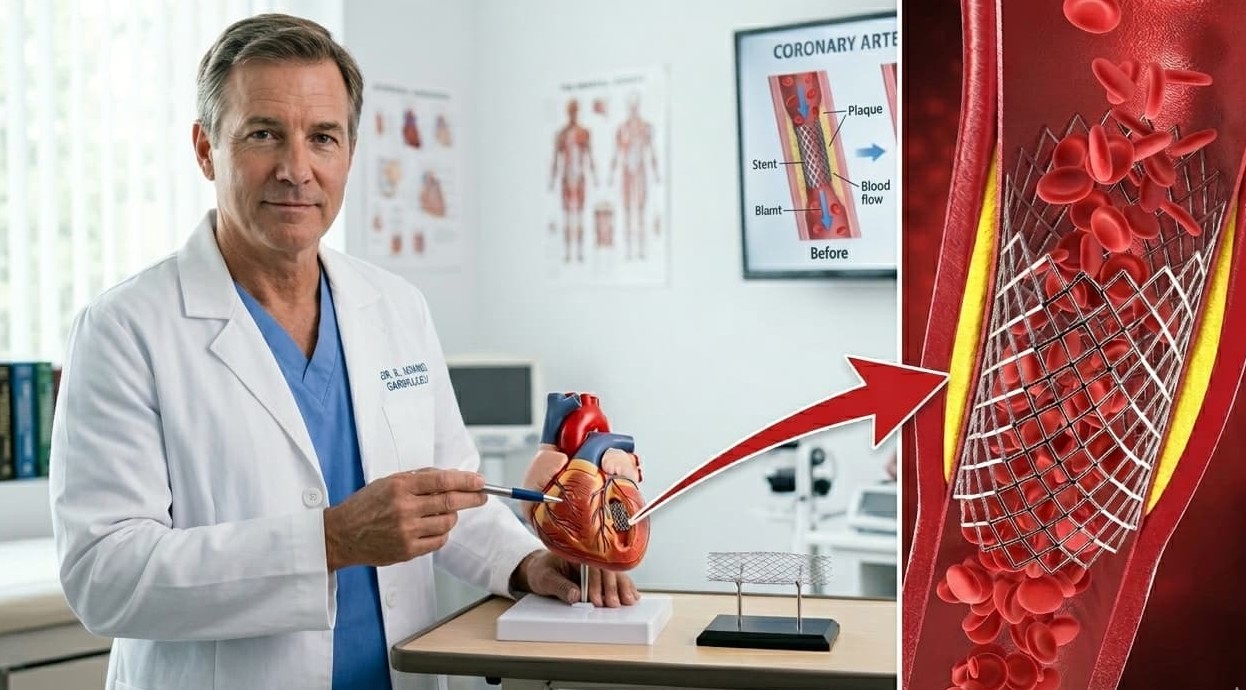
A stent is a small, expandable metal mesh tube. Doctors place it inside a narrowed or blocked artery to keep blood flowing properly to the heart.
In simple terms, stents act like a support structure. When plaque builds up inside your arteries, it reduces blood flow. This can lead to chest pain, shortness of breath, or even a heart attack.
During a procedure called angioplasty, the doctor inserts a balloon into the blocked artery, inflates it to open the passage, places the stent to keep it open, and then removes the balloon while the stent stays in place.
Types of Heart Stents: Not All Are Created Equal
Modern medicine offers several types of stents. Each has its own strengths and weaknesses.
Bare-metal stents were the first generation. They work by simply propping the artery open.
However, scar tissue often grows through the mesh and narrows the artery again. This happens in about 25 percent of cases.
Drug-eluting stents changed the game. These stents carry a special medication coating that prevents scar tissue from growing.
The drug releases slowly over time and dramatically reduces the chance of the artery closing again. Today, doctors use drug-eluting stents for most patients.
Bioabsorbable stents represent the newest frontier. These stents dissolve completely over several years.
They provide temporary support and then disappear, leaving a natural artery behind. This technology aims to reduce long-term complications that come with permanent metal implants.
Dual Therapy Stent
Dual therapy stents are an advanced option in stents for heart blockage treatment that have shown strong results in clinical use. These stents release medication from a special coating to prevent the artery from narrowing again, while the inner surface uses EPC technology to support healthy tissue growth and promote faster healing. Risks and Limitations of Stents for Heart Blockage Treatment
Stents save lives. But they are not a permanent fix.
Here is what many patients do not realize:
Stents do not cure heart disease
New blockages can still form
Lifestyle changes remain essential
Medications are required long-term
Possible risks include:
Blood clots
Re-narrowing of the artery
Bleeding from the procedure
Infection (rare)
So yes, stents help. But they do not replace prevention.
The Real Question: Can You Avoid Stents?
Yes, in many cases, you can.
Most heart blockages develop slowly. That means you have time to act—if you take the right steps early.
This is where primary care becomes powerful.
How Your Primary Care Doctor Helps You Avoid Stents for Heart Blockage Treatment
Primary care is not just for when you feel sick. It is your first line of defense against serious conditions like heart disease.
Early Risk Detection
Your doctor checks key indicators:
Family history
These numbers tell a story. They reveal risk long before symptoms appear.
Personalized Prevention Plan
Instead of generic advice, your doctor builds a plan based on your body and lifestyle:
Diet adjustments
Exercise routines
Stress management
Medication if needed
This approach slows or even stops plaque buildup.
Medication Management
If you already have risk factors, early medication can prevent worsening:
Statins for cholesterol
Blood pressure control drugs
Diabetes management
Proper control reduces the chance of needing stents for heart blockage treatment later.
Lifestyle Correction That Actually Works
Most people try random diets and fail. Your primary care doctor gives structured, realistic changes:
What to eat daily
How much to move
What to avoid completely
Consistency matters more than intensity.
Mid-Point Reality Check
If you are over 30 and have not checked your heart risk factors recently, you are guessing about your health.
That is risky.
Book a preventive heart check at Passion Health Primary Care today. Early action costs less than emergency treatment.
Lifestyle Changes That Reduce the Need for Stents
Your daily habits decide your future.
Here is what makes the biggest difference:
Eat for Artery Health
Reduce processed foods
Cut down on sugar and trans fats
Increase fruits, vegetables, and whole grains. Stay Active
At least 30 minutes of walking daily
Avoid long sitting hours
Control Stress
Chronic stress increases inflammation and blood pressure.
Quit Smoking Immediately
Smoking damages artery walls and accelerates blockage.
Sleep Properly
Poor sleep disrupts metabolism and heart health.
Small changes done consistently prevent major interventions.
When Stents Become Unavoidable
Despite prevention, some cases still require stents.
You may need stents for heart blockage treatment if:
You have severe artery narrowing
Medications do not control symptoms
You experience a heart attack
Blood flow is critically reduced
In these cases, stents are not optional. They are lifesaving.
Stents vs. Prevention: What Most People Get Wrong
Many people believe:
“I will deal with it if it happens.”
That mindset leads straight to emergency procedures.
Here is the truth:
Prevention is cheaper
Prevention is safer
Prevention gives long-term results
Stents solve a crisis. Primary care prevents the crisis.
Why Primary Care Should Be Your First Step, Not Last
Most patients meet a doctor only after symptoms worsen.
That approach increases:
Treatment cost
Health risks
Recovery time
Primary care changes the timeline.
Instead of reacting, you stay ahead.
Final Takeaway
Stents for heart blockage treatment are powerful tools. They restore blood flow and save lives when needed.
But they should not be your first plan.
Your goal should be simple: never reach the stage where you need one.
That starts with awareness, regular checkups, and consistent lifestyle changes guided by your primary care doctor.
Do not wait for chest pain to take action.
Schedule your heart health screening with Passion Health Primary Care today. Early prevention protects your life, your time, and your future.