
Drug-Resistant Shigellosis Symptoms and Prevention Guide: Don’t Ignore the Warning Signs—Act Before It Spreads
A sudden bout of severe diarrhea can feel like a minor stomach issue—until it turns bloody, painful, and relentless. That is where drug-resistant shigellosis symptoms and prevention become critical.
This infection spreads fast, hits hard, and now, in many cases, no longer responds easily to standard antibiotics.
Most people ignore early warning signs. That delay often leads to dehydration, hospital visits, or worse complications.
You do not need to take that risk. This guide breaks down exactly what to watch for, how it spreads, and how to protect yourself and your family before things spiral.
If symptoms have already started, do not wait—early medical care can prevent serious complications. Book a consultation with Passion Health Primary Care today.
What Is Drug-Resistant Shigellosis?
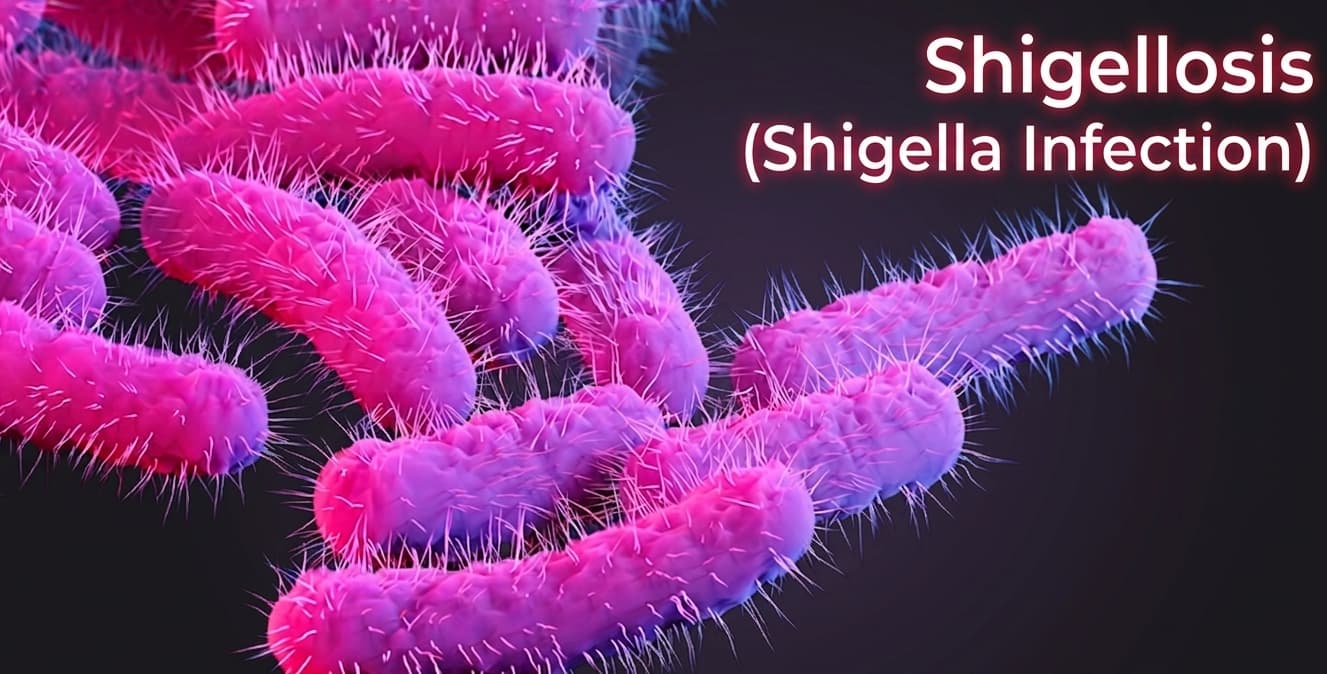
Drug-resistant shigellosis symptoms and prevention start with understanding the infection itself. Shigellosis is a bacterial illness caused by Shigella. It attacks the intestines and spreads through contaminated food, water, or direct contact with infected stool.
Now, here is the growing concern. Some strains no longer respond to common antibiotics. These are called antimicrobial-resistant strains. As a result, treatment becomes more complex, recovery takes longer, and complications increase.
This shift makes prevention more important than ever.
Drug-Resistant Shigellosis Symptoms You Should Never Ignore
Symptoms often begin one to two days after exposure. At first, they may seem mild. However, they can escalate quickly.
Early Warning Signs
Sudden diarrhea
Fever and chills
Stomach cramps
Nausea
Severe Symptoms That Signal Danger
Bloody or mucus-filled diarrhea
Persistent abdominal pain
Dehydration (dry mouth, low urine, dizziness)
Fatigue and weakness
These drug-resistant shigellosis symptoms and prevention signals should never be ignored. When diarrhea turns bloody, it indicates intestinal damage. That stage requires urgent attention.
Children and older adults face a higher risk. Their bodies lose fluids faster, which increases the danger of severe dehydration.
How Drug-Resistant Shigellosis Spreads So Quickly
This infection does not need much to spread. Even a tiny amount of bacteria can cause illness.
Common Transmission Routes
Contaminated food or water
Poor hand hygiene after restroom use
Contact with infected surfaces
Close personal or sexual contact
Because of this, drug-resistant shigellosis symptoms and prevention rely heavily on hygiene habits. One missed handwash can pass the infection to multiple people.
In crowded environments, the spread becomes even faster.
Why Antibiotic Resistance Makes It More Dangerous
In the past, antibiotics cleared most cases quickly. Now, resistant strains reduce treatment options.
Here is what changes:
Longer illness duration
Increased risk of complications
Higher medical costs
Greater chance of spreading infection
That is why drug-resistant shigellosis symptoms and prevention must focus on early detection and strict hygiene rather than relying only on medication.
Drug-Resistant Shigella Infection: A Silent Threat in the U.S.
A dangerous bacterium now resists nearly every antibiotic. Between 2011 and 2023, the percentage of drug-resistant Shigella infection cases surged from zero to over eight percent. Consequently, standard oral treatments fail more often. Health officials confirm no FDA-approved pill works against these extensively drug-resistant (XDR) strains. This reality sparks fear among doctors and patients alike.
High-Risk Groups Who Need Extra Protection
CDC data points to adult men and individuals living with HIV. Surprisingly, most cases involve no international travel. Therefore, local transmission drives this hidden spread.
For example, a simple handshake or shared food can pass on bacteria. Because symptoms mimic common stomach bugs, many dismiss early warning signs.
That delay allows the infection to worsen. Some groups face higher exposure and complications.
Most Vulnerable Populations
Young children
International travelers
People with weakened immune systems
Individuals in close-contact environments
For these groups, drug-resistant shigellosis symptoms and prevention are not optional—they are essential daily practices.
Even mild symptoms in these populations can escalate quickly.
Why No Oral Antibiotics Work Anymore
Traditional Shigella responds to pills. XDR strains resist everything on pharmacy shelves. As a result, patients need intravenous drugs or hospital care.
Without specialized testing, doctors cannot identify the resistant strain. Early detection becomes your only defense.
Practical Prevention Tips That Actually Work
Prevention does not require complex steps. Simple habits create strong protection.
Daily Hygiene Practices
Wash your hands with soap for at least 20 seconds
Clean fruits and vegetables thoroughly
Drink safe, filtered, or boiled water
Avoid sharing personal hygiene items
Food Safety Measures
Eat freshly cooked food
Avoid raw or undercooked meals
Store food properly
Personal Safety Habits
Avoid close contact with infected individuals
Maintain hygiene during and after sexual activity
Stay home when symptoms appear
These steps form the core of drug-resistant shigellosis symptoms and prevention strategies. Consistency matters more than complexity.
When to See a Doctor Immediately
Many people delay care, hoping symptoms will pass. That decision often worsens the condition.
Seek medical attention if:
Diarrhea lasts more than three days
Blood appears in the stool
High fever persists
Signs of dehydration develop
Quick action improves outcomes. Early treatment reduces complications and prevents spread to others.
Do not ignore warning signs—schedule an appointment with Passion Health Primary Care for timely evaluation and treatment.
Treatment Approach for Drug-Resistant Cases
Treatment focuses on symptom control and preventing dehydration.
Common Medical Approaches
Oral or IV hydration
Electrolyte replacement
Careful antibiotic selection (only when necessary)
Doctors now choose antibiotics based on resistance patterns. This approach improves effectiveness and avoids unnecessary drug use.
Because of resistance, self-medication can worsen the situation. Always seek professional advice.
Complications You Should Be Aware Of
Ignoring drug-resistant shigellosis symptoms and prevention can lead to serious complications.
Possible Health Risks
Severe dehydration
Intestinal damage
Blood infections
Post-infectious arthritis
Children may also experience growth and nutritional issues after severe infection.
These risks highlight why early care and prevention matter so much.
How to Protect Your Family at Home
Once one person gets infected, others face immediate risk.
Household Protection Tips
Isolate the infected individual when possible
Disinfect bathrooms regularly
Wash clothes and linens separately
Use gloves when handling contaminated items
Strong home hygiene reduces transmission significantly.
Travel Safety: Avoid Bringing Infection Home
Travel increases exposure risk, especially in areas with poor sanitation.
Smart Travel Habits
Drink bottled or boiled water only
Avoid street food with questionable hygiene
Carry hand sanitizer at all times
Wash your hands before every meal
Following these habits strengthens drug-resistant shigellosis symptoms and prevention during travel.
The Role of Public Awareness
Awareness drives prevention. When people recognize symptoms early and practice hygiene, infection rates drop.
Communities benefit when individuals act responsibly:
Stay home when sick
Avoid preparing food for others during illness
Educate family members about hygiene
Small actions create a large impact.
Final Thoughts: Act Early, Stay Protected
Drug-resistant infections are no longer rare. They are becoming a global health challenge. However, you still have control through awareness, hygiene, and timely care.
Drug-resistant shigellosis symptoms and prevention should not be complicated. Simple steps—clean hands, safe food, early treatment—make all the difference.
Ignoring symptoms invites complications. Acting early protects not just you, but everyone around you.
Take control of your health today. If you notice symptoms or want preventive guidance, book your appointment with Passion Health Primary Care now. Early care saves time, money, and health.