
Osteoarthritis Symptoms, Treatment, and Self-Care: Can It Shorten Life?
A stiff knee in the morning may not feel serious. A sore hip after walking may seem normal. A painful hand may look like simple aging. Still, osteoarthritis can slowly change daily life if patients ignore it.
Osteoarthritis symptoms, treatment, and self-care matter because joint pain can affect more than movement. It can disturb sleep, reduce activity, increase weight gain, raise fall risk, and make long-term health harder to manage.
Most patients ask one hidden question: Can osteoarthritis shorten life?
Osteoarthritis usually does not directly shorten life. However, severe joint pain can indirectly affect future health when it keeps patients inactive, weak, tired, or unsafe while walking.
Do not wait until joint pain controls your routine. Book an appointment with Passion Health Advanced Primary Care → Our care team can review your symptoms, check health risks, and guide safe next steps for joint pain relief.
What Is Osteoarthritis?
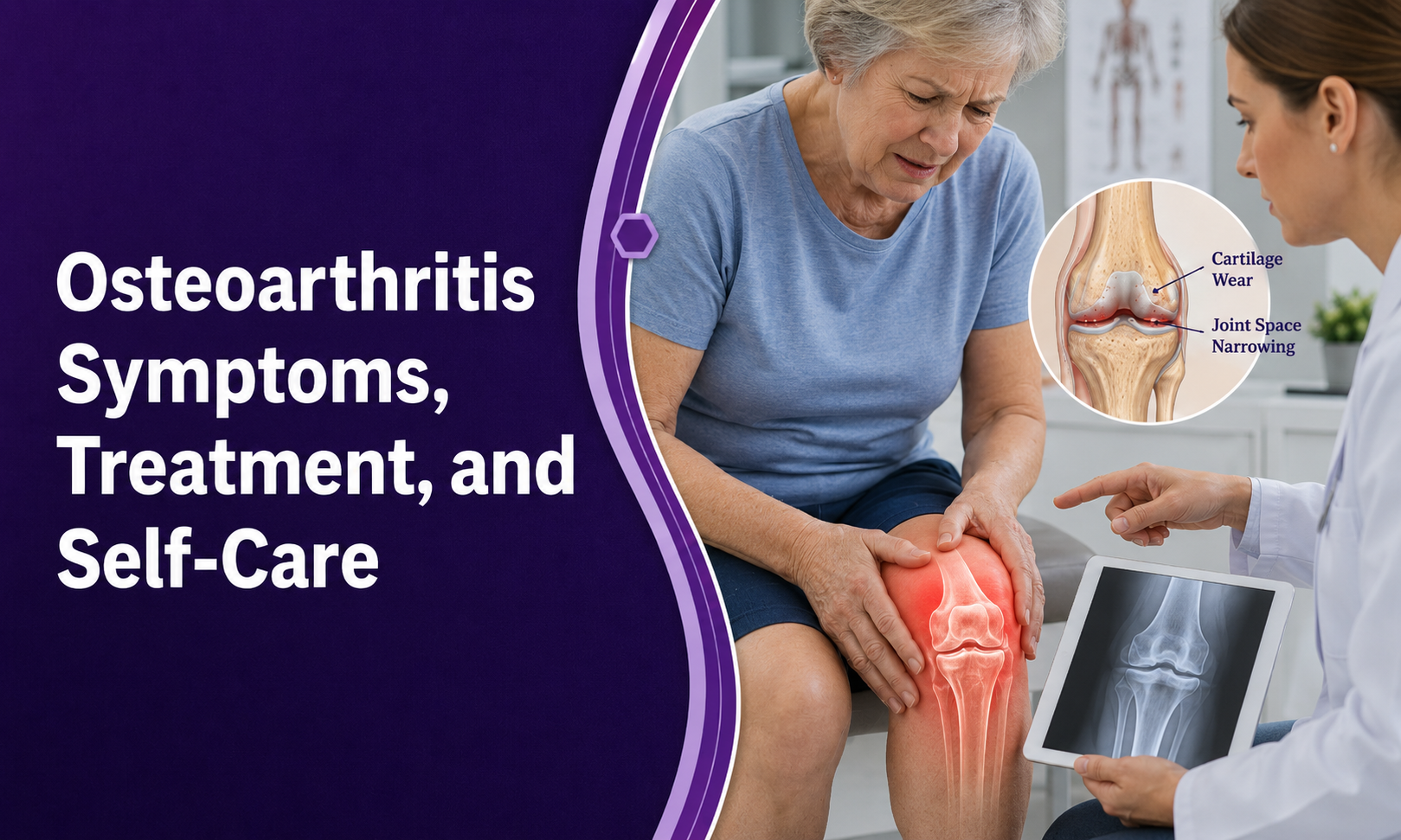
Osteoarthritis is a common joint condition that happens when cartilage inside a joint breaks down over time. Cartilage helps bones move smoothly. Once it wears down, the joint can feel painful, stiff, swollen, or weak.
This condition often affects the knees, hips, hands, spine, and lower back. Some patients feel mild pain after activity. Others struggle with stairs, walking, gripping, standing, or sleeping.
Many people call it “wear-and-tear arthritis,” but that phrase misses the full picture. Age, old injury, excess joint stress, weight, family history, muscle weakness, and repeated strain can all play a role.
The Hidden Health Risks of Ignoring Osteoarthritis Symptoms
Ignoring osteoarthritis symptoms can make joint pain harder to control over time. Small pain today may slowly affect the whole body.
Less movement can lead to weight gain
Weak muscles can increase joint stress
Poor sleep can make pain feel worse
Stiff joints can raise fall risk
Daily pain can affect mood and confidence
Inactivity may affect blood pressure, blood sugar, and heart health
Early care can help patients protect movement, strength, and long-term wellness.
Warning Signs Your Joint Pain Needs Medical Attention
Joint pain should not wait until it starts changing daily life. A primary care visit can help find the cause and guide safe treatment.
Pain lasts more than a few weeks
Swelling keeps coming back
Stiffness affects walking, stairs, or work
Pain wakes you at night
The joint feels weak or unstable
You start limping or avoiding movement
You had a recent fall or injury
Pain medicine causes side effects
Seek urgent care for a hot, red joint, fever with joint pain, severe injury, sudden weakness, chest pain, or shortness of breath.
How Osteoarthritis Can Affect Sleep, Weight, and Heart Health
Osteoarthritis does not only affect the joints. When pain makes movement harder, it can slowly affect sleep, weight, mood, heart health, and daily energy. This is why early care matters. A painful knee, hip, hand, or back may seem small at first, but the long-term effects can grow when patients stop moving or ignore symptoms.
Health Area | How Osteoarthritis Can Affect It | Why It Matters |
Sleep | Joint pain may wake patients at night or make it hard to find a comfortable position. | Poor sleep can increase fatigue, stress, and pain sensitivity the next day. |
Pain may reduce walking, exercise, and daily activity | Less movement can lead to weight gain, which adds more pressure on knees, hips, and the lower back. | |
Heart Health | Low activity can reduce the heart benefits that come from regular movement. | Regular movement supports blood pressure, cholesterol, blood sugar, and circulation. |
Mood | Chronic pain can limit hobbies, social time, and independence | Patients may feel frustrated, anxious, or isolated when joint pain changes daily life. |
Fall Risk | Stiffness, weakness, and poor balance can change walking style. | Falls can cause injury, fear of walking, and loss of independence, especially in older adults. |
The goal is not intense exercise. The goal is safe, steady movement that protects joints and supports the whole body. Even small steps, such as gentle stretching, short walks, water exercise, or physical therapy, can help patients stay active and confident.
Osteoarthritis Treatment Options That May Help
Osteoarthritis treatment focuses on pain control, better movement, stronger muscles, and safer daily function. The best plan depends on the affected joint, pain level, age, medical history, and lifestyle.
Movement and Exercise
Safe movement often helps stiff joints. Low-impact activities such as walking, cycling, swimming, water exercise, and stretching can support flexibility and strength. Rest may help during a flare, but too much rest can make joints stiffer.
Physical Therapy
A physical therapist can teach exercises that protect the joint. Therapy may improve balance, walking style, posture, and strength. Strong muscles reduce stress on painful joints.
Weight Support
Extra weight can add pressure to the knees, hips, and lower back. Even small weight changes may help joint comfort and daily movement. A primary care provider can also check thyroid health, diabetes risk, cholesterol, and blood pressure.
Medicine Review
Some patients use acetaminophen, anti-inflammatory medicines, or topical creams. Medicine safety matters, especially for patients with kidney disease, stomach ulcers, heart disease, high blood pressure, or blood thinner use. Always ask a provider before using long-term pain medicine.
Braces, Supports, and Injections
Braces, shoe inserts, canes, or walkers may improve stability. Some patients may need joint injections for short-term relief. Severe cases may need orthopedic evaluation.
Osteoarthritis Self-Care for Daily Joint Pain
Osteoarthritis symptoms treatment and self-care should work together. Daily habits can reduce stress on joints and help patients stay active.
Helpful self-care steps include:
Move gently every day
Build muscle around painful joints
Stretch without forcing movement
Use heat for stiffness
Use cold packs for swelling
Wear supportive shoes
Avoid long periods of sitting
Choose balanced meals
Sleep at regular times
Ask for help before mobility gets worse
Small steps count. A 10-minute walk, chair exercise, or short stretching routine can help patients restart movement without fear.
Can Osteoarthritis Affect Life Expectancy?
Osteoarthritis usually does not directly shorten life expectancy. Still, it can affect long-term health when pain changes the way a patient lives.
For example, knee pain may reduce walking. Less walking may lead to weight gain and weaker muscles. Weak muscles can increase fall risk. Poor sleep can raise stress and pain sensitivity. Over time, inactivity can also affect blood pressure, blood sugar, heart health, and mood.
That is why osteoarthritis life expectancy depends on more than joint damage. It depends on movement, strength, balance, sleep, weight, and chronic disease control.
The good news: patients can protect long-term health with early care.
When Joint Pain Needs a Doctor
Do not wait for severe pain before getting help. Early care can prevent a small joint problem from becoming a daily limitation.
Schedule a visit if joint pain lasts more than a few weeks, swelling keeps coming back, stiffness affects daily tasks, walking becomes harder, pain wakes you at night, or the joint feels weak or unstable.
Seek urgent care for a hot, red joint, fever with joint pain, sudden inability to move a joint, severe injury, chest pain, shortness of breath, one-sided weakness, or sudden confusion.
How Primary Care Helps With Osteoarthritis
Primary care helps connect joint pain with whole-body health. A provider can review symptoms, medications, weight, blood pressure, diabetes risk, cholesterol, sleep, mood, and fall risk.
This full picture matters because osteoarthritis can affect movement, weight, heart health, sleep, and daily comfort. A good care plan should look at these concerns together and guide safe next steps for pain control, lifestyle changes, testing, and referrals when needed.
Final Takeaway
Osteoarthritis can start quietly, but it should not be ignored. The condition usually does not directly shorten life, but it can affect long-term health when pain limits movement, sleep, balance, and independence.
Strong care starts early. Patients who stay active, manage weight, protect joints, review medicines, and get medical guidance have a better chance of staying mobile and confident.
Take control before joint pain controls your life.
Book an appointment with Passion Health Advanced Primary Care →
FAQs
1. Can osteoarthritis shorten your life?
Osteoarthritis usually does not directly shorten life. However, severe joint pain can reduce movement, affect sleep, increase fall risk, and make long-term health harder to manage.
2. What are the first signs of osteoarthritis?
Early signs include joint pain, morning stiffness, swelling, clicking sounds, reduced movement, and pain after walking, climbing stairs, or using the hands.
3. What is the best self-care for osteoarthritis?
Gentle movement, stretching, weight support, heat or cold therapy, supportive shoes, better sleep, and low-impact exercise can help manage daily joint pain.
4. When should I see a doctor for osteoarthritis?
See a doctor if joint pain lasts more than a few weeks, swelling keeps returning, walking becomes harder, or pain affects sleep and daily activities.
5. Can osteoarthritis get worse without treatment?
Yes. Without proper care, osteoarthritis may lead to more stiffness, weaker muscles, reduced mobility, weight gain, and a higher fall risk over time.