
Why Salmonella Symptoms Get Worse Without Early Care
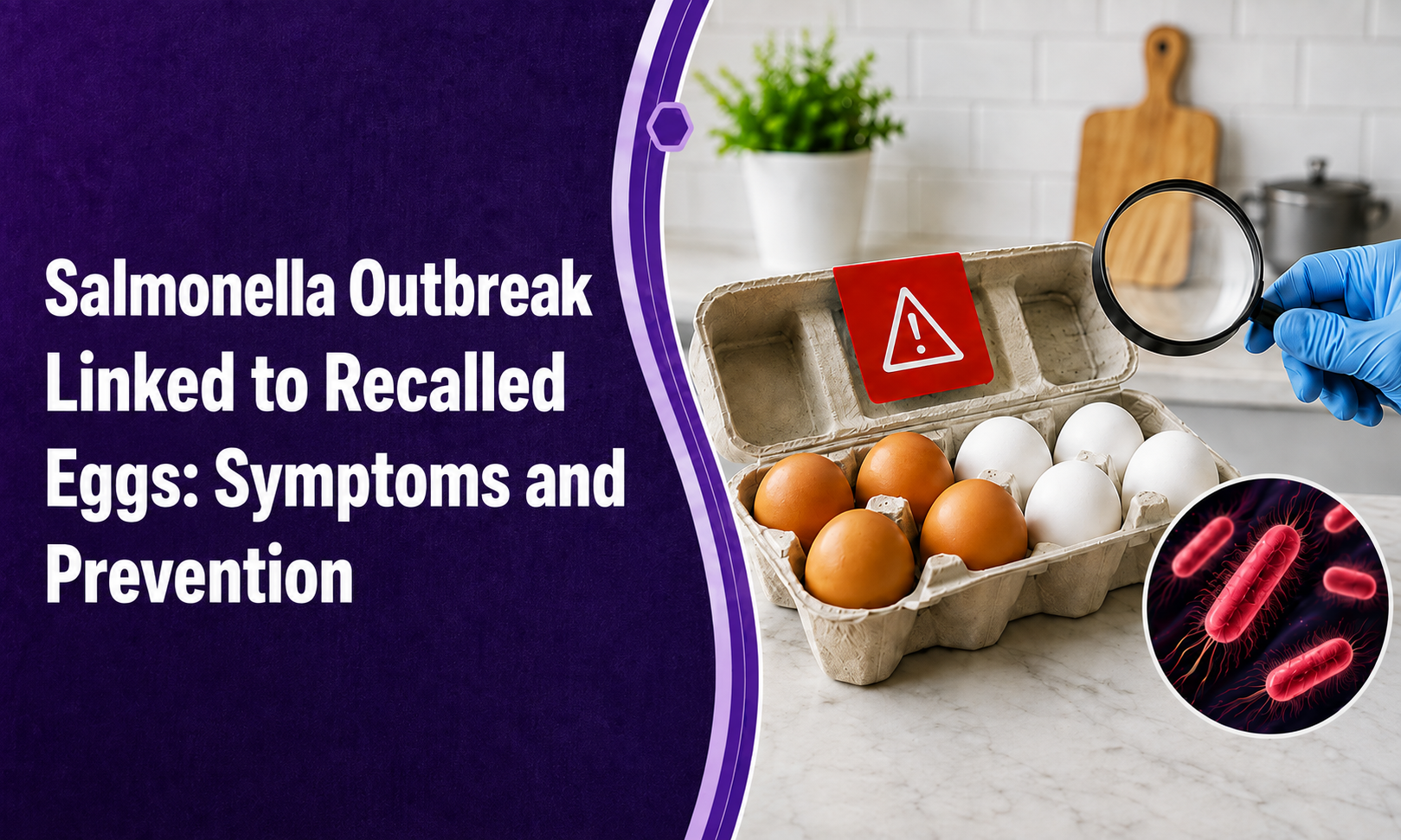
The Salmonella outbreak linked to recalled eggs has raised concerns for families across Texas and several other states.
Salmonella can spread through contaminated food, backyard poultry, animals, and surfaces. A new 2026 outbreak linked to recalled shell eggs has raised additional concerns for families across Texas and several other states.
Most people recover within several days. However, diarrhea, vomiting, and fever can cause dehydration, while some people face a higher risk of severe illness.
Symptoms After Eating Recalled Eggs?
If you develop digestive symptoms after eating recalled eggs or handling backyard poultry, contact Passion Health Advanced Primary Care for an evaluation. Seek urgent care for severe dehydration, bloody diarrhea, or rapidly worsening symptoms.
Key Takeaways
A 2026 Salmonella outbreak is linked to recalled white and brown cage-free shell eggs.
Recalled eggs reached consumers in Texas and several surrounding states.
Diarrhea, fever and stomach cramps are among the most common symptoms.
Young children, older adults and immunocompromised people face a higher risk of severe illness.
Primary care can assess dehydration, review exposure and determine whether testing may help.
Discard or return recalled eggs and thoroughly clean every surface they touched.
Latest Update: Salmonella Outbreak Linked to Recalled Eggs
On July 22, 2026, Midwest Poultry Services recalled 1,589,577 dozen shell eggs because of possible Salmonella Enteritidis contamination. That equals more than 19 million individual eggs.
As of July 24, the CDC had reported 98 illnesses across 17 states, including Texas. Twenty-six people required hospitalization, and officials reported no deaths. Of the 44 patients interviewed about their food history, 40 reported eating shell eggs.
The FDA identified recalled eggs as a likely source for some cases. However, investigators continue to examine whether other sources contributed to the outbreak. Check the CDC outbreak advisory and FDA investigation for future updates.
Which Eggs Are Included in the Recall?
The recall includes selected white shell eggs and brown cage-free shell eggs produced at farms in Texas. They appeared in packages containing 6, 12, 18, 24, 30, 3,6 or 60 eggs.
Affected brands include:
Kroger
Simple Truth
Brookshire’s
Cal-Maine Sunups
Country Morning
Check the side of the carton for the following information:
Plant code: P-1950 or 0840962
Julian date: 157 through 184
Sell-by or best-by date: July 20 through August 17, 2026
The eggs reached food-service and retail customers in Texas, Oklahoma, and Louisiana. Consumers could also purchase them through affected retailers and smaller outlets in Arkansas, Louisiana, Mississippi, New Mexico, Oklahoma, and Texas.
If you removed the eggs from their original carton and cannot confirm whether they are part of the recall, the FDA recommends throwing them away.
What Should You Do With Recalled Eggs?
Do not eat, cook, sell, serve, or donate recalled eggs. Return them to the store for a refund or place them in a secure trash container where people and animals cannot reach them.
After handling the eggs:
Wash your hands with soap and water.
Clean refrigerator shelves and drawers that touched the carton.
Wash bowls, utensils, and storage containers with hot, soapy water or in a dishwasher.
Clean countertops and other food-preparation surfaces.
Keep raw foods away from ready-to-eat foods.
Cooking can reduce Salmonella risk under ordinary circumstances, but consumers should not try to make a recalled product safe. Follow the recall instructions and discard or return the eggs.
Salmonella Outbreaks and Backyard Poultry
Eggs represent one possible source of Salmonella. The bacteria can also spread through contact with chickens, ducks, and their surroundings.
Healthy-looking birds may carry Salmonella. People may become infected after touching birds, coops, cages, feed containers, bedding, or soil and then touching their mouths or food without washing their hands.
To reduce exposure:
Wash your hands after touching poultry or items in their environment.
Keep birds and poultry equipment outside the home.
Supervise young children around poultry.
Do not kiss or hold birds close to your face.
Clean poultry supplies outdoors when possible.
Keep poultry away from kitchens and food-preparation areas.
Common Salmonella Symptoms
Symptoms commonly begin within 12 to 72 hours after eating contaminated food, although timing may vary depending on the exposure. Illness often lasts four to seven days.
Common symptoms include:
Repeated diarrhea and vomiting can cause dehydration. Watch for dry mouth, dizziness, reduced urination, and unusual tiredness.
Why Antibiotic Resistance Matters
CDC laboratory analysis predicted that the outbreak strain does not respond normally to ciprofloxacin and resists nalidixic acid.
Most people with Salmonella recover without antibiotics. Doctors usually reserve antibiotics for selected severe infections or patients with a higher risk of complications. Resistance matters because a clinician may need to choose a different antibiotic when treatment becomes necessary.
Do not take leftover antibiotics or medication prescribed to another person. Unnecessary or incorrect antibiotic use can cause side effects and contribute to antimicrobial resistance.
Who Faces a Higher Risk of Severe Illness?
Some people may develop serious symptoms or require hospitalization, including:
Children younger than five
Adults aged 65 and older
People with weakened immune systems
People taking medicines that suppress immune function
Patients with certain chronic health conditions
Pregnant patients and caregivers who have concerns about exposure should contact a healthcare provider for individual guidance.
How Primary Care Evaluates Salmonella Symptoms
A primary care provider can review what you ate, when symptoms started, and whether you handled recalled eggs or backyard poultry.
The evaluation may include:
Checking temperature, blood pressure, and heart rate
Assessing hydration
Reviewing medications and existing health conditions
Examining the abdomen
Considering stool testing for severe, prolonged, or high-risk cases
Ordering blood tests when dehydration or complications appear possible
Determining whether a higher level of care is necessary
Many mild cases improve with rest and fluids. Treatment depends on symptom severity, age, medical history, and test results.
Concerned About Symptoms After Eating Recalled Eggs?
Schedule an appointment at Passion Health Advanced Primary Care for an evaluation and personalized next steps.
Salmonella Treatment and Recovery
Maintaining hydration remains an important part of recovery. Take small, frequent sips of water or an oral rehydration solution if nausea makes drinking difficult.
Return to regular food gradually as your appetite improves. Choose simple foods that you tolerate comfortably.
Do not automatically take anti-diarrheal medication. Some products may not suit certain bacterial infections or medical conditions. Ask a healthcare provider before using them, especially if you have a fever or blood in your stool.
Concerned about symptoms after eating eggs? Schedule an appointment at Passion Health Advanced Primary Care for an evaluation and personalized next steps.
When Should You Contact a Healthcare Provider?
Contact a healthcare provider promptly if you experience:
Diarrhea with a fever higher than 102°F
Diarrhea lasting more than two days without improvement
Bloody diarrhea
Vomiting that prevents you from keeping liquids down
Dry mouth, dizziness, or reduced urination
Symptoms after eating recalled eggs
Worsening symptoms in a young child, older adult, or immunocompromised person
When Should You Seek Emergency Care?
Go to the nearest emergency department or call 911 for:
Fainting, confusion, or difficulty waking
Severe dehydration
Little or no urination
Severe or worsening abdominal pain
Trouble breathing
Inability to keep any liquids down
Other rapidly worsening or life-threatening symptoms
How to Prevent Salmonella From Eggs
Buy refrigerated eggs with clean, uncracked shells.
Place eggs in the refrigerator soon after purchase.
Keep eggs in their original carton.
Cook eggs until the yolks and whites become firm.
Use pasteurized eggs for recipes served raw or lightly cooked.
Wash hands before and after handling raw eggs.
Keep raw eggs separate from ready-to-eat foods.
Wash utensils and countertops after food preparation.
Check current FDA recall notices before using a product affected by an alert.
Protect Your Health After Possible Salmonella Exposure
The Salmonella outbreak linked to recalled eggs highlights the importance of checking cartons, following recall instructions, and recognizing symptoms. The 2026 egg recall reminds consumers that ordinary foods can sometimes carry harmful bacteria. Check egg cartons carefully, follow official recall instructions, and clean any surfaces that may have touched recalled products.
Protect Your Health After Possible Salmonella Exposure
If symptoms develop after eating recalled eggs, schedule an evaluation at Passion Health Advanced Primary Care for personalized next steps.
Frequently Asked Questions
1. Can Salmonella spread from person to person?
Yes. Bacteria from an infected person’s stool can spread through unwashed hands and contaminated surfaces. Careful handwashing helps prevent transmission.
2. Can eggs look or smell normal and still contain Salmonella?
Yes. Contaminated eggs may not look, smell, or taste unusual. Carton codes and official recall information provide a safer way to identify affected products.
3. Do all Salmonella infections require antibiotics?
No. Most people recover without antibiotics. A healthcare provider may recommend them for selected severe or high-risk cases.
4. Can I eat recalled eggs if I cook them thoroughly?
No. Follow CDC and FDA recall instructions. Return or discard recalled eggs instead of trying to make them safe through cooking.
5. How soon do symptoms appear?
Symptoms commonly begin 12 to 72 hours after eating contaminated food, though the timing can vary.

About the Author
Dr. Anantha Chentha is a board-certified internal medicine physician with extensive experience in primary care and chronic disease management. He provides comprehensive, patient-centered care with a focus on prevention, accurate diagnosis, and long-term health management.
View Provider Profile →