Key Takeaways
- Peptide effects and medication interactions vary by product.
- Some peptide-based drugs may affect blood sugar and digestion.
- Certain GLP-1 medicines may increase low blood sugar risk with insulin.
- Experimental peptide injections may carry unknown health risks.
- Existing health conditions can influence peptide medication safety.
- A primary care medication review helps identify potential treatment concerns.
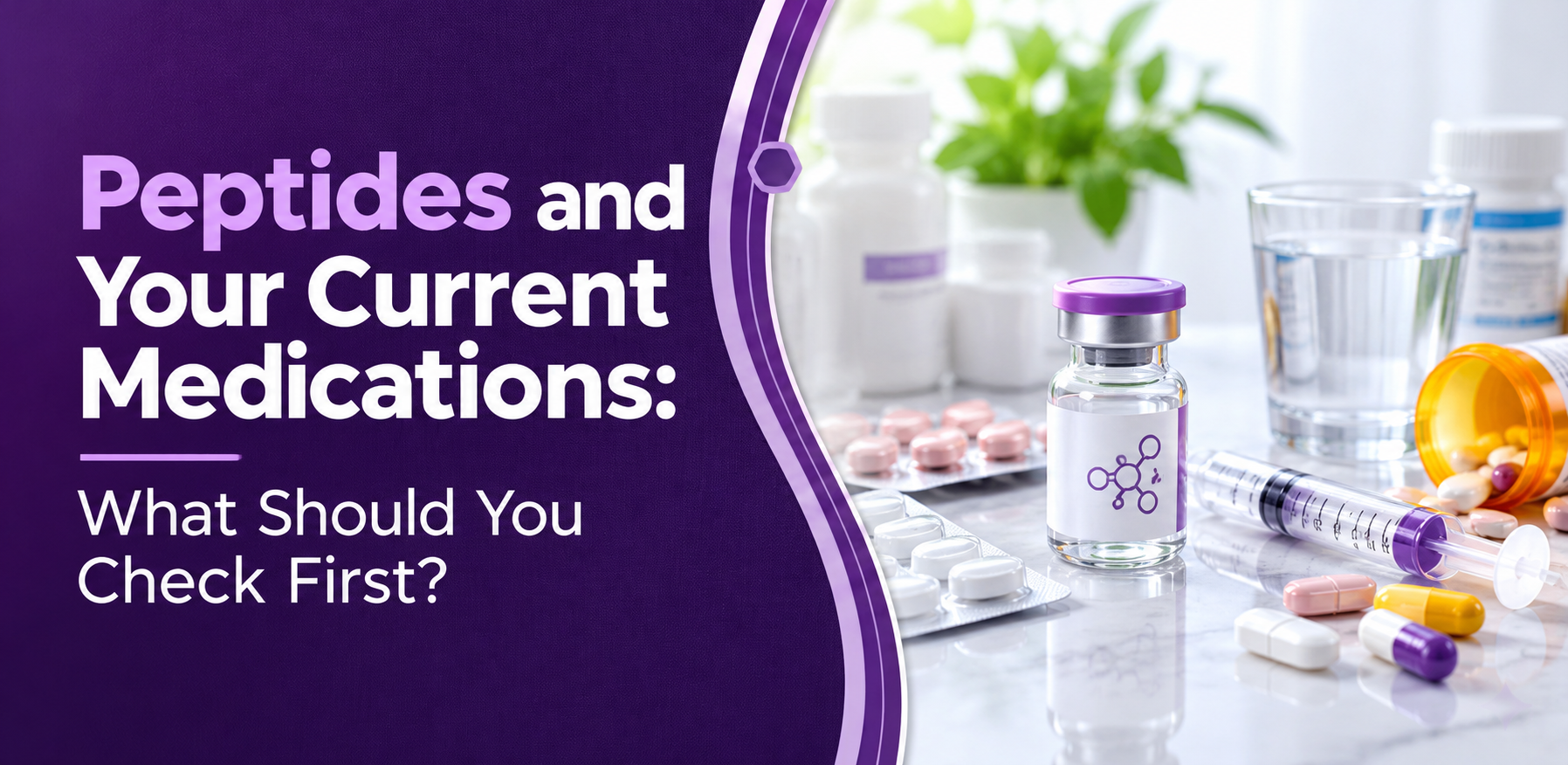
A friend recommends peptide injections for better recovery. An online advertisement promises improved energy. Another product claims to support weight management. Before considering any of these options, one question deserves attention: How might the product affect the medicines you already take?
Many adults manage their health with prescriptions for diabetes, blood pressure, thyroid conditions, or other concerns. Adding an unfamiliar product without reviewing those treatments could introduce unexpected risks.
Understanding peptides and medications helps you separate established medical treatments from products with limited research. More importantly, a conversation with your primary care clinician can clarify which concerns apply to your health.
What Makes Peptides Different From Regular Medications?
Peptides consist of linked amino acids. The body naturally creates many of these molecules to support communication between cells and regulate important functions.
However, the word “peptide” describes a chemical structure, not a single treatment.
Insulin, for example, is a peptide hormone that helps regulate blood glucose. Certain GLP-1 receptor agonists also belong to the broader group of peptide-based medications.
These treatments have specific medical purposes and established prescribing instructions.
In contrast, online sellers sometimes promote experimental peptides for fitness, recovery, or healthy aging without adequate human research.
Therefore, the first step toward peptide medication safety involves identifying the exact substance rather than relying on a product category.
Can Peptides Change How Your Current Medications Work?
Some peptide-based drugs influence processes that other medications also affect.
For instance, certain GLP-1 treatments change appetite and digestive activity. They may also influence blood sugar, which becomes especially important for patients who already take glucose-lowering medicines.
However, these effects do not apply to every peptide.
A meaningful medication review should examine the product name, dosage, route of administration, and existing prescriptions.
The biggest concern with many experimental substances involves missing information. Without reliable clinical studies, healthcare professionals may not know how those products interact with common treatments.
As a result, patients should avoid combining unfamiliar injectable products with prescription medicines without medical guidance.
Which Medication Combinations Deserve a Closer Look?
Different medications may respond differently to certain peptide-based treatments.
Medication Type | Potential Safety Concern |
Diabetes medicines | Some GLP-1 drugs may increase low blood sugar risk when combined with insulin or sulfonylureas. |
Oral prescriptions | Certain GLP-1 treatments may alter medication absorption. |
Dehydration from treatment side effects may affect blood pressure. | |
Some peptides may influence hormonal activity. | |
Multiple medicines or supplements | Combined use may require closer medical evaluation. |
Important: Risks vary by peptide, medication, and individual health needs. Consult your doctor before combining treatments.
Why Should Patients With Diabetes Pay Extra Attention?
Diabetes treatment often involves several factors working together, including medication, food intake, physical activity, and blood sugar monitoring.
Some GLP-1 medications support glucose control. However, combining these treatments with insulin or sulfonylureas may increase the chance of low blood sugar.
Furthermore, nausea or reduced food intake may complicate an existing diabetes routine.
A healthcare professional can review glucose patterns and determine whether the treatment plan needs closer monitoring.
For ongoing support, explore Passion Health Diabetes Care and Management.
Could Chronic Health Conditions Increase Peptide Safety Concerns?
Your overall medical history matters when considering a new treatment.
For example, patients with kidney conditions may face additional concerns if severe vomiting or diarrhea causes dehydration.
Likewise, patients who manage several chronic conditions may need a careful review of their medicines and potential side effects.
Some approved peptide-based drugs remain appropriate for people with certain chronic illnesses. Therefore, a diagnosis alone does not determine whether a treatment is suitable.
The specific medication, its prescribing information, and your individual health circumstances guide that decision.
Experimental peptides present additional uncertainty because researchers may not have adequately studied their effects in patients with complex medical needs.
What Should You Check Before Considering Peptide Injections?
Before purchasing or using a peptide product, ask five practical questions.
1. What exactly does the product contain?
Look for the complete ingredient name rather than relying on a marketing label.
2. Has the FDA reviewed this specific medication?
Check whether the FDA has authorized the product for your particular health condition. Each peptide-based treatment has its own safety profile, so the approval status of a different medication cannot confirm its safety.
3. Could it affect my current treatment?
Discuss possible peptide drug interactions with your clinician.
4. What side effects should I recognize?
Ask about known reactions, warning symptoms, and appropriate monitoring.
5. Do I have a safer, better-studied option?
An established treatment may offer stronger evidence for your particular health concern.
How Do FDA-Approved Medicines Differ From Research Peptides?
FDA-approved prescription drugs undergo a review of their safety, effectiveness, and manufacturing quality for specific medical uses.
Research peptides do not automatically meet those requirements.
For example, the FDA has identified safety concerns involving BPC-157, including limited human safety information and potential problems involving impurities or immune reactions.
Additionally, compounded medicines do not receive individual FDA approval. Clinicians may consider legitimate compounded medications in certain circumstances, but patients should understand the regulatory differences.
Before trying any product, ask a qualified healthcare professional about its evidence, legal status, and potential risks.
Which Symptoms Require Medical Attention?
Possible adverse effects depend on the exact substance.
Some prescription peptide-based medications can cause digestive symptoms, including nausea, vomiting, or constipation.
However, patients should also watch for new symptoms that begin after a treatment change.
Contact a healthcare professional for persistent vomiting, unusual dizziness, or concerning injection-site symptoms.
Seek emergency care for breathing difficulty, severe swelling, loss of consciousness, or another serious reaction.
Never attempt to manage severe symptoms by independently changing several prescriptions.
How Can Passion Health Support Medication Safety?
Primary care offers an opportunity to connect medication decisions with your broader health needs.
At Passion Health, patients can discuss existing prescriptions, chronic conditions, treatment concerns, and preventive healthcare needs.
Your clinician may review medication names, discuss potential interactions, evaluate symptoms, and recommend appropriate follow-up.
Passion Health serves communities across North Texas, including Frisco, Irving, Plano, Prosper, Aubrey, McKinney, Flower Mound, Kaufman, Kemp/Seven Points, and Ennis.
Patients interested in weight-related concerns can also read What Weight Loss Programs Do Primary Care Clinics Offer?.
Final Thoughts
Peptide products may attract attention for different reasons, but their safety depends on much more than promotional claims.
A medication that benefits one patient may not suit another person’s health needs. Furthermore, unknown ingredients, uncertain interactions, and limited research can create avoidable concerns.
Before making treatment changes, review your health history and current prescriptions with a qualified clinician.
Have Questions About Peptides and Your Medications?
Make an informed decision with help from Passion Health Primary Care. Discuss medication safety, chronic conditions, and suitable next steps during your visit. Book an Appointment at Passion Health
Frequently Asked Questions
1. Can peptides interfere with prescription drugs?
Some peptide-based medicines interact with other treatments. The exact substance and medication combination determine the risk.
2. Can peptides cause low blood sugar?
Certain GLP-1 medications increase hypoglycemia risk when patients combine them with insulin or sulfonylureas.
3. Are online peptide injections safe?
Many experimental products lack adequate human safety evidence. Online availability does not guarantee quality or safety.
4. Should I stop my medication before using peptides?
No. Ask your healthcare professional before stopping, combining, or changing prescription treatments.
5. Can a primary care doctor discuss peptide safety?
Yes. Primary care clinicians can evaluate medication lists, identify potential concerns, and recommend appropriate next steps.

About the Author
Dr. Anantha Chentha is a board-certified internal medicine physician with extensive experience in primary care and chronic disease management. He provides comprehensive, patient-centered care with a focus on prevention, accurate diagnosis, and long-term health management.
View Provider Profile →