
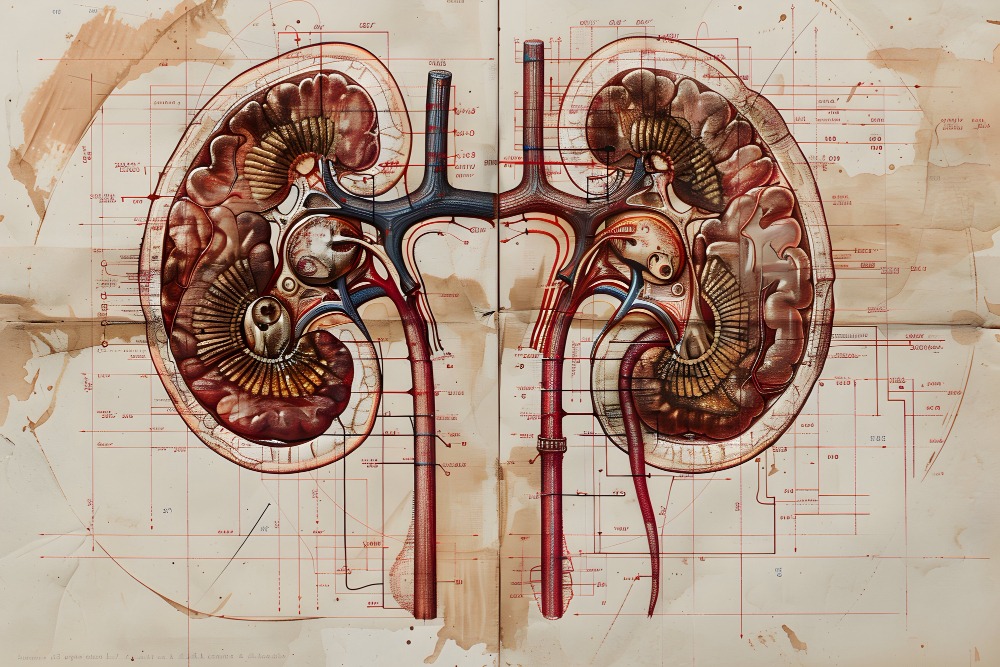
What Are The 9 Early Signs of Kidney Problems You Should Never Ignore
Your kidneys work 24/7 — silently filtering waste, balancing fluids, regulating blood pressure, and supporting overall health. But when something goes wrong, early symptoms are often subtle and easy to dismiss.
Ignoring early kidney warning signs can lead to serious complications, including chronic kidney disease (CKD) and kidney failure. The good news? Early detection can slow or even prevent progression.
Let’s explore 9 early signs of kidney problems — so you know when to seek medical care.
1. Changes in Urination
Your urine is one of the earliest indicators of kidney health.
Watch for:
Urinating more frequently, especially at night
Foamy or bubbly urine (may indicate protein leakage)
Dark, brown, or tea-colored urine
Blood in urine
Pain or difficulty urinating
Reduced urine output
Healthy kidneys filter waste but keep proteins and blood cells in the body. When kidneys are damaged, protein and blood can leak into urine.
If you notice persistent changes for more than a few days, it’s important to get evaluated.
2. Persistent Fatigue and Weakness
Feeling unusually tired? It may not just be stress.
Kidneys produce a hormone called erythropoietin, which helps make red blood cells. When kidney function declines, anemia can develop — leading to:
Constant tiredness
Weakness
Brain fog
Shortness of breath
Fatigue from kidney disease is often persistent and doesn’t improve with rest.
3. Swelling in Feet, Ankles, or Around Eyes
When kidneys cannot remove excess sodium and fluids, swelling (edema) occurs.
Common areas:
Feet
Ankles
Legs
Hands
Around the eyes
Morning puffiness around the eyes can be an early sign of protein leakage.
If swelling persists or worsens, medical evaluation is necessary.
4. Shortness of Breath
Kidney disease can cause shortness of breath due to:
Fluid buildup in the lungs
Anemia from decreased red blood cell production
If breathing feels difficult without obvious cause, don’t ignore it — especially if combined with swelling or fatigue.
5. Persistent Nausea and Loss of Appetite
As waste builds up in the bloodstream (uremia), digestive symptoms may appear:
Nausea
Vomiting
Metallic taste in mouth
Bad breath
Reduced appetite
These symptoms are often mistaken for stomach issues — but can signal declining kidney function.
6. Itchy or Dry Skin
Healthy kidneys balance minerals like calcium and phosphorus. When this balance is disrupted:
Skin may become dry
Persistent itching develops
Skin irritation occurs
Unexplained itching without rash may indicate metabolic imbalance related to kidney dysfunction.
7. Muscle Cramps
Electrolyte imbalances — especially low calcium or high phosphorus — can cause:
Painful muscle cramps
Twitching
Restless legs
If cramps are frequent and unexplained, blood tests may reveal kidney-related imbalances.
8. Difficulty Concentrating
Toxin buildup and anemia can reduce oxygen supply to the brain, leading to:
Brain fog
Poor concentration
Memory issues
Dizziness
If mental clarity declines without obvious reason, underlying metabolic causes should be evaluated.
9. High Blood Pressure That’s Hard to Control
High blood pressure and kidney disease are closely linked.
High blood pressure damages kidney blood vessels
Damaged kidneys increase blood pressure
If your blood pressure remains elevated despite medication, kidney screening may be necessary.
Who Is at Higher Risk?
You may be at increased risk if you have:
Hypertension
Family history of kidney disease
Age over 60
Obesity
Frequent NSAID use
Autoimmune disorders
Many people with early chronic kidney disease have no symptoms — which is why screening is critical for high-risk individuals.
When Should You See a Doctor?
Seek medical care if you notice:
Blood in urine
Persistent swelling
Ongoing fatigue
Shortness of breath
Uncontrolled high blood pressure
Early blood and urine tests can evaluate kidney function through:
Creatinine levels
eGFR (estimated glomerular filtration rate)
Urinalysis
Protein testing
Early intervention can prevent progression.
Can Kidney Disease Be Reversed?
In early stages, kidney damage may be slowed or stabilized by:
Controlling blood pressure
Managing blood sugar
Reducing salt intake
Staying hydrated
Avoiding excessive pain medications
Maintaining healthy weight
Treating underlying conditions
Advanced kidney failure may require dialysis or transplant — but early detection makes a major difference.
Protecting Your Kidney Health: Practical Tips
Drink adequate water daily
Monitor blood pressure regularly
Control diabetes carefully
Avoid smoking
Exercise regularly
Get annual physical exams
Final Thoughts
Kidney disease often develops quietly. The body sends subtle signals — but many people overlook them until damage becomes severe.
If you notice any of these 9 early signs of kidney problems, don’t wait. Early diagnosis can protect long-term health and prevent serious complications.
Your kidneys are small — but their role in your body is enormous.
At Passion Health Primary Care, we believe prevention is powerful. Our experienced providers offer comprehensive kidney health screening, blood pressure management, diabetes care, and personalized treatment plans to protect your long-term wellness. With convenient locations across North Texas, same-day appointments, and compassionate, patient-centered care, we’re here to support you at every stage of life.
If you’re experiencing any early signs of kidney problems — or simply want a routine checkup — call +1 214-666-6259 or book your appointment online today. Early care makes all the difference.