
Key Takeaways
- Include vegetables and fruit in everyday meals and snacks.
- Choose whole grains such as oats, barley and brown rice.
- Vary protein choices with beans, lentils, fish and lean poultry.
- Use unsaturated oils, such as olive oil, in place of butter.
- Compare food labels to reduce sodium, saturated fat and added sugar.
- Plan manageable portions and build habits you can maintain.
Building a heart-healthy diet does not require replacing every familiar meal. Begin with one change you can repeat, such as adding vegetables to lunch or choosing water instead of a sugary drink.
A complicated menu or expensive specialty food does not need to lead the process.
The American Heart Association emphasizes the overall eating pattern. Vegetables, fruits, whole grains, healthy proteins, and unsaturated fats form its foundation. Reducing sodium, added sugar, and heavily processed foods also matters.
For adults who want to discuss nutrition alongside preventive care, Passion Health offers primary care and services for heart disease, high cholesterol, and diabetes in North Texas.
What Does a Heart-Healthy Diet Include?
A heart-healthy diet combines nutrient-rich foods with portions that fit individual needs. It allows variety rather than requiring the same salad every day.
Try a bowl of brown rice topped with chickpeas and sautéed zucchini. This simple combination brings vegetables, plant protein, and whole grains into one meal.
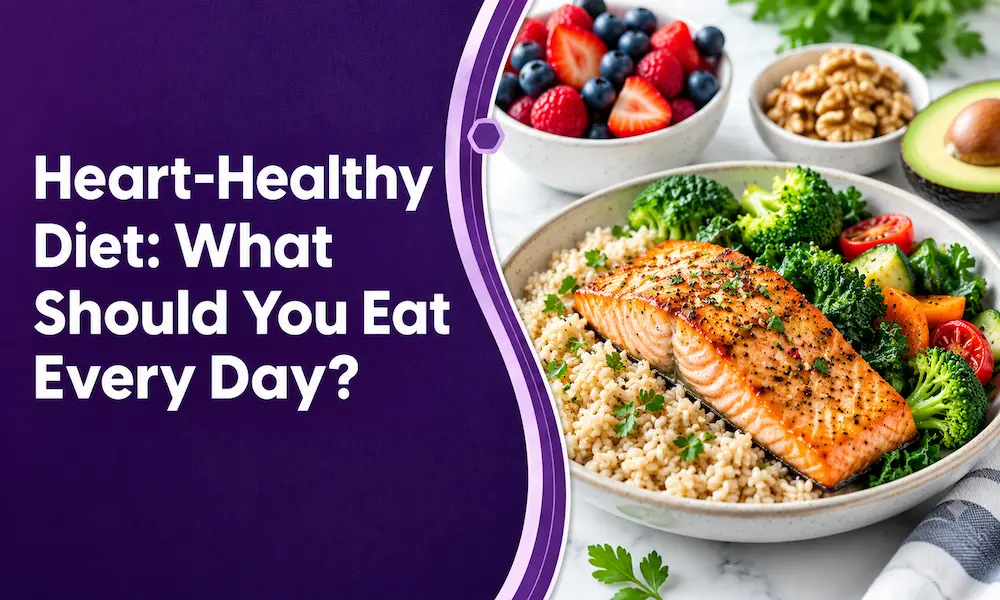
Another option combines grilled fish, broccoli, and brown rice. These combinations illustrate the food groups recommended by the American Heart Association.
Keep preparation manageable. Stock up on a few ingredients you can combine throughout the week, such as bell peppers, spinach, brown rice, beans, and fish.
Then mix them into different meals instead of planning seven entirely separate menus.
Give Vegetables and Fruit a Regular Place
Make produce easier to reach.
Mayo Clinic recommends fresh or frozen produce and lower-sodium canned vegetables. Keeping washed vegetables ready can make healthier choices more convenient.
Try these practical combinations:
Add spinach and tomatoes to a morning meal.
Pack an apple alongside lunch.
Roast cauliflower while another dish cooks.
Keep frozen vegetables ready for a quick evening meal.
Choose options that match taste, budget, and cooking time. A bag of frozen broccoli can serve a busy household better than fresh produce that sits unused.
Start with one meal that rarely includes vegetables. Add a serving there before redesigning the entire day.
Choose Grains That Bring More Fiber
Read the ingredients rather than judging the color.
A grain qualifies as whole when it includes its outer bran layer, inner germ, and starchy center called the endosperm.
Refining removes parts of the grain and usually reduces its fiber content. Dietary fiber can support healthier blood cholesterol levels.
Oats, brown rice, barley, quinoa, and whole-wheat bread offer useful choices. However, brown bread does not automatically contain whole grains. Check for “whole wheat” or another whole grain near the beginning of the ingredient list.
For breakfast, try plain oats with chopped pear. At lunch, use a whole-wheat tortilla for a bean-and-vegetable wrap. At dinner, try barley in a homemade soup.
If a different texture feels unfamiliar, introduce the grain in a dish already enjoyed. Change one ingredient first, then adjust the recipe after tasting it.
Replace Some Saturated Fat With Unsaturated Fat
The type of fat matters. Too much saturated fat can raise LDL cholesterol. The American Heart Association recommends replacing saturated-fat sources with options that provide unsaturated fats.
For a heart-healthy diet, try olive or canola oil instead of butter for suitable cooking tasks. Replace some fatty meat meals with beans, fish, or lentils.
Coconut oil contains substantial saturated fat, so a plant origin alone does not make an oil the best choice for cholesterol management.
The American Heart Association advises keeping saturated fat below six calories for every 100 calories consumed.
For a 2,000-calorie intake, that equals roughly 13 grams. Personal calorie needs vary.
Measure cooking oil rather than pouring freely. Also check the combination of ingredients: butter, cheese, and cream can contribute saturated fat within the same dish.
Look Beyond the Salt Shaker
Packaged foods can contribute considerable sodium.
The American Heart Association recommends no more than 2,300 milligrams of sodium daily, with an optimal goal of 1,500 milligrams for most adults. Individual medical advice may differ.
To cut back on sodium, compare labels when buying packaged foods and check nutrition information before ordering takeout.
Compare soups, sauces, breads, and frozen meals before buying them.
Calculate sodium for the portion you actually eat. If the label lists 300 milligrams per serving and you eat two servings, your total reaches 600 milligrams.
“Reduced sodium” means less sodium than the usual product; it does not necessarily mean a low amount.
Use lemon, garlic, pepper, or herbs to explore different flavors. For takeout, request sauces separately and review available nutrition information.
Bring questions about sodium goals to a Passion Health appointment, especially when reviewing an existing care plan.
What Could One Day of Meals Look Like?
This sample menu illustrates the guidance rather than prescribing calories or portions.
Meal | Example |
Breakfast | Plain oatmeal with berries and unsalted walnuts |
Lunch | Chickpea salad with vegetables and whole-grain toast |
Snack | An apple or plain low-fat yogurt |
Dinner | Baked salmon or tofu with brown rice and roasted vegetables |
Drink | Water or an unsweetened beverage |
Adjust ingredients for allergies, preferences, and medical needs. Keep a vegetarian option available by using beans, lentils, or tofu.
To simplify preparation, cook extra rice at dinner and reserve vegetables for lunch. Build the next meal around available ingredients instead of starting from scratch.
Make the Routine Flexible Enough to Continue
The portion awareness, advance planning, and allowing occasional treats. A heart-healthy diet should fit ordinary life, including busy evenings and celebrations.
Choose one achievable change this week: prepare breakfast at home, compare two soup labels, or add vegetables to lunch. Write the choice on the grocery list, so it becomes a concrete task.
Beyond food choices, the American Heart Association encourages staying physically active. It also advises anyone who avoids alcohol to continue doing so.
Discuss Your Next Step With Passion Health
Start with a meal that needs improvement and make one practical change. Over time, a heart-healthy diet can become a familiar routine.
Passion Health provides preventive care and chronic disease services across 10 North Texas locations. Book an appointment to discuss heart health, nutrition questions, and appropriate follow-up.
Take the next step toward better heart health.
Book your Passion Health appointment today.
FAQs
1. Can a heart-healthy diet include rice?
Yes. Brown rice provides whole grains; portions and the rest of the meal also matter.
2. Must every meal contain meat?
No. Beans, lentils, and other plant proteins can provide alternatives.
3. Is coconut oil a better replacement for butter?
Both contain saturated fat. Olive or canola oil offers an unsaturated alternative.
4. Does avoiding table salt eliminate excess sodium?
No. Packaged foods and restaurant meals can supply substantial sodium.
5. Can occasional desserts fit?
Yes. Mayo Clinic allows occasional treats while emphasizing consistent healthy choices.

About the Author
Dr. Anantha Chentha is a board-certified internal medicine physician with extensive experience in primary care and chronic disease management. He provides comprehensive, patient-centered care with a focus on prevention, accurate diagnosis, and long-term health management.
View Provider Profile →