Key Takeaways
- Alcohol is an established risk factor for several types of cancer.
- More than 23,000 U.S. cancer deaths in 2023 were estimated to be attributable to alcohol.
- Alcohol is linked to breast, colorectal, liver, mouth, throat and esophageal cancers.
- Cancer risk generally increases as the amount of alcohol consumed increases.
- Even lower levels of alcohol intake may increase the risk of certain cancers.
- Reducing alcohol use and staying current with cancer screenings may help lower overall health risk.
Most people know that smoking can cause cancer. The connection between alcohol and cancer risk, however, receives far less attention.
That deserves to change.
A major U.S. analysis published in The Lancet Regional Health – Americas in September 2026 estimated that annual alcohol-related cancer deaths increased from 11,361 in 1990 to 23,126 in 2023. Researchers based their analysis on more than three decades of Global Burden of Disease data.
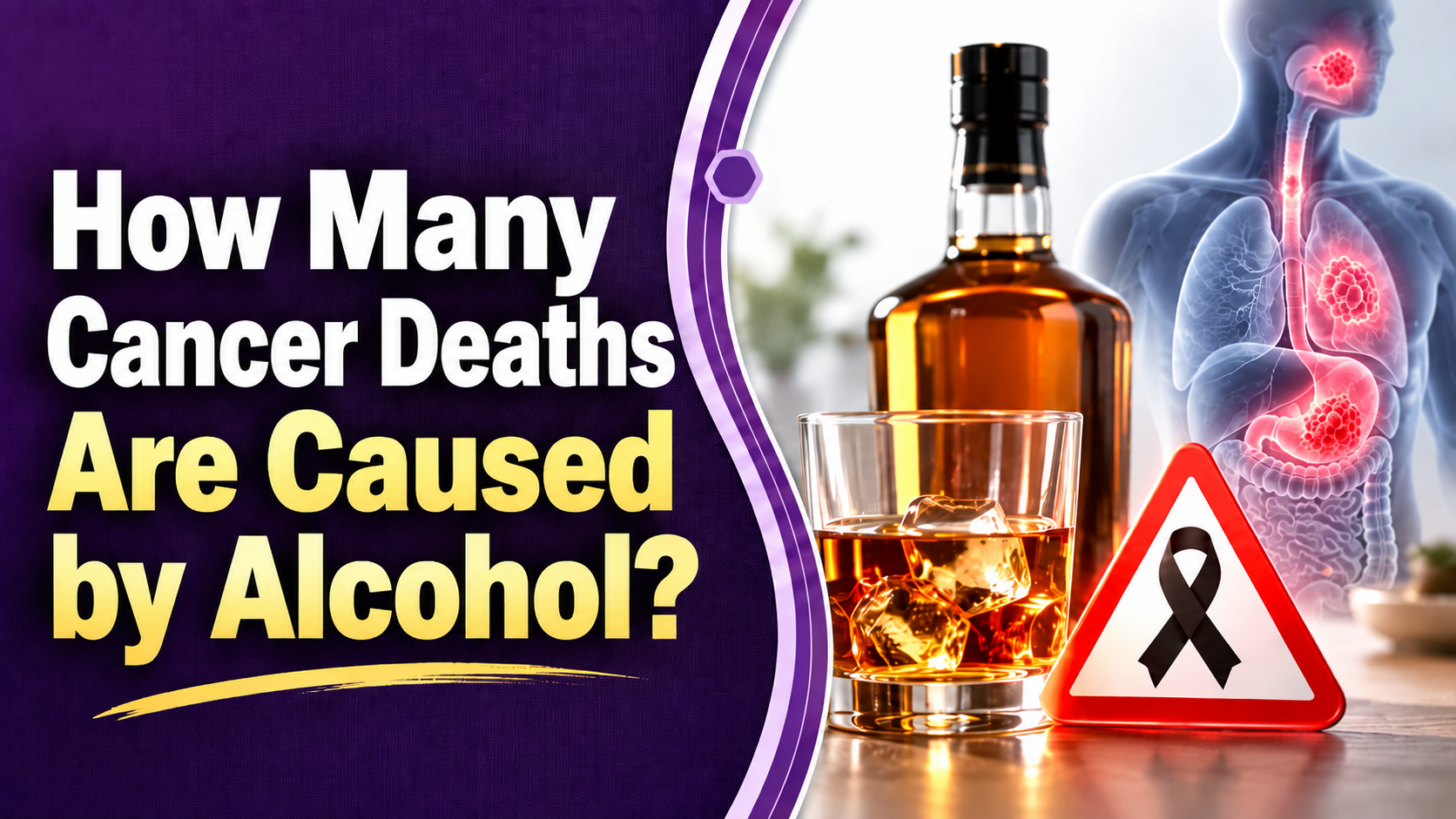
How many cancer deaths are caused by alcohol?
There is no single number that applies to every year or population. But the latest U.S. research estimates that more than 23,000 cancer deaths in 2023 were attributable to alcohol use. Earlier National Cancer Institute data estimated that alcohol accounted for nearly 25,000 U.S. cancer deaths in 2019, representing about 4% of cancer deaths that year.
These figures do not mean alcohol was the only factor involved in every death. Cancer usually develops through a combination of age, genetics, environmental exposures, and lifestyle factors. Instead, researchers use population-level evidence and statistical models to estimate how much of the cancer burden can reasonably be attributed to alcohol exposure.
What Did the Latest U.S. Study Find?
The 2026 study examined alcohol-attributable cancer mortality in the United States from 1990 through 2023.
Researchers reported that estimated annual deaths increased from 11,361 to 23,126, more than doubling over the study period. Men and adults aged 55 and older experienced the greatest overall burden.
The research also showed why alcohol-related cancer awareness should not focus only on liver disease.
Among men ages 20 to 54, colorectal cancer had the highest alcohol-attributable cancer mortality rate. Among women in the same age range, breast cancer ranked first, followed by colorectal cancer. Among older men, liver cancer remained particularly important, while breast cancer represented the largest alcohol-attributable cancer mortality burden among older women.
These findings make an important point: alcohol-related cancer deaths can involve several parts of the body, not just the liver.
Which Cancers Are Linked to Alcohol?
Strong scientific evidence has established alcohol as a cancer-causing exposure. The International Agency for Research on Cancer classifies alcoholic beverages as carcinogenic to humans, and both the National Cancer Institute and WHO describe established associations with multiple cancers.
Alcohol has established links with cancers involving:
Mouth and oral cavity
Throat and pharynx
Larynx, or voice box
Esophagus
Liver
Colorectum
The newer U.S. mortality analysis also examined trends involving pancreatic, stomach, and prostate cancers, although evidence strength can vary across cancer sites. Established causal relationships should therefore be distinguished from emerging or less certain associations.
How Does Alcohol Increase Cancer Risk?
Alcohol does not need to remain in one organ to affect cancer risk.
When the body processes ethanol, it produces acetaldehyde, a toxic compound that can damage DNA and proteins. Alcohol metabolism can also contribute to oxidative stress, interfere with nutrient absorption, and influence hormone levels. Higher estrogen levels are one pathway that may help explain the relationship between alcohol consumption and breast cancer.
Alcohol can also make tissues in the mouth and throat more vulnerable to harmful substances.
This becomes particularly important when alcohol and tobacco are used together. According to the National Cancer Institute, combined alcohol and tobacco exposure can raise the risk of several head, neck, and esophageal cancers much more than either exposure alone.
Is Only Heavy Drinking a Cancer Concern?
No. The relationship generally follows a dose-response pattern: as alcohol consumption increases, the risk of several alcohol-related cancers also increases.
However, risk does not suddenly begin only when someone becomes a heavy drinker.
The National Cancer Institute notes that even light drinking can increase the risk of some cancers. For example, breast cancer risk is higher among women consuming about one alcoholic drink per day compared with women drinking less than one drink per week.
WHO states that, specifically in relation to cancer risk, there is no established completely risk-free level of alcohol consumption. In general, drinking less means lower alcohol-related cancer exposure.
This does not mean that a person who occasionally drinks alcohol will develop cancer. Cancer risk is not certain. It means that population studies consistently find an increasing risk with increasing alcohol exposure.
What Counts as One Alcoholic Drink?
People sometimes underestimate how much alcohol they consume because a large glass, strong cocktail, or oversized beer may contain more than one standard serving.
In the United States, the National Cancer Institute references a standard drink as containing about 14 grams of pure alcohol. That is approximately 12 ounces of regular beer, 5 ounces of wine, or 1.5 ounces of 80-proof distilled spirits.
Knowing serving sizes can make conversations about alcohol and health more meaningful.
You do not need to wait until alcohol causes noticeable symptoms before discussing your intake with your healthcare provider.
Can Cutting Back on Alcohol Reduce Cancer Risk?
Reducing alcohol exposure is one risk factor people can change.
Research summarized by the National Cancer Institute suggests that stopping alcohol consumption is associated with lower risks of some alcohol-related cancers, including oral and esophageal cancer, with possible reductions for several others. The decline in risk may take years rather than occur immediately.
WHO similarly identifies reducing alcohol consumption as an important cancer-prevention strategy.
You do not have to think about prevention as an all-or-nothing decision.
For some people, the first practical step may be identifying how many drinks they actually consume each week. Others may choose alcohol-free days, smaller servings, or complete avoidance.
People who drink heavily or regularly should talk with a healthcare professional before suddenly stopping, because alcohol withdrawal can sometimes become medically dangerous.
Why Primary Care Matters in Cancer Prevention
This is not limited to cancer treatment centers.
Primary care can identify risks years before a serious illness develops.
Your primary care provider can review your personal and family medical history, discuss alcohol and tobacco exposure, evaluate chronic conditions, and determine which preventive screenings are appropriate for your age and risk profile.
That may include conversations about colorectal cancer screening, breast cancer screening, and other preventive services based on individual circumstances.
A healthcare visit also provides an opportunity to discuss alcohol privately and without judgment.
The goal is not to label patients. The goal is to identify modifiable risks and help patients make informed decisions.
What Does the New Research Mean for Younger Adults?
One of the more notable findings from the 2026 U.S. analysis involved adults between the ages of 20 and 54.
Colorectal cancer represented the leading alcohol-attributable cancer mortality burden among men in this age group. Breast cancer ranked first among women, with colorectal cancer second.
That does not prove that alcohol alone caused those individual cancers. The study was a population-based observational trend analysis that relied on Global Burden of Disease estimates.
Still, the results challenge the assumption that alcohol-related cancer is primarily a concern for older adults with liver disease. Prevention conversations can matter much earlier in life.
Take Your Next Step Toward Prevention
Schedule an evaluation at Passion Health Advanced Primary Care to review alcohol use, family history, preventive screenings, and other health risks.

About the Author
Dr. Anantha Chentha is a board-certified internal medicine physician with extensive experience in primary care and chronic disease management. He provides comprehensive, patient-centered care with a focus on prevention, accurate diagnosis, and long-term health management.
View Provider Profile →