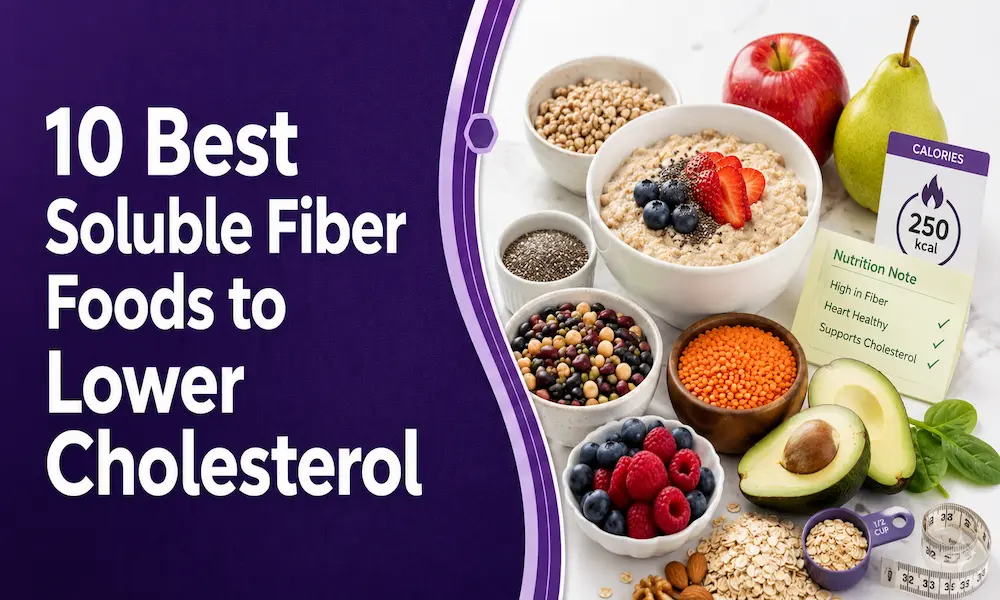
Why Soluble Fiber Foods Matter for Cholesterol and Heart Health
High cholesterol often develops quietly. A person may feel normal, but bloodwork can show high LDL cholesterol, high triglycerides, or low HDL cholesterol. Food choices can make a real difference, especially when the diet includes more soluble fiber.
Soluble fiber forms a gel-like texture during digestion. This helps reduce the amount of cholesterol that enters the bloodstream. It also supports better fullness, steadier blood sugar, and healthier meal planning.
This does not mean one food fixes cholesterol. A smart cholesterol plan includes fiber-rich foods, less saturated fat, regular movement, weight control when needed, and routine lab checks.
Worried about cholesterol numbers? Passion Health Advanced Primary Care can review your lipid panel, diet habits, risk factors, and next steps.
Patients looking for primary care in Frisco, Irving, Plano, Prosper, Aubrey, Flower Mound, Ennis, Kaufman, Kemp
Why Soluble Fiber Matters for Cholesterol
LDL cholesterol is often called “bad cholesterol” because higher LDL levels can raise the risk of plaque buildup in arteries. Soluble fiber helps the body move some cholesterol out through digestion.
Food sources matter because they also bring vitamins, minerals, antioxidants, and plant nutrients. A bowl of oats, beans, fruit, or vegetables gives more than fiber. It supports a better overall eating pattern.
Quick Calorie and Fiber Planning Guide
Use this simple formula:
Meal calories = main food calories + toppings + cooking oil + drink calories
Example:
Oatmeal bowl
Cooked oats: about 150 calories
½ cup berries: about 40 calories
1 tablespoon chia seeds: about 60 calories
Cinnamon: 0 calories
Estimated total: 250 calories
Small additions can change the meal fast. One tablespoon of butter adds about 100 calories. Two tablespoons of peanut butter add about 180–200 calories. That does not make them bad, but portions matter.
1. Oats
Oats rank high for cholesterol-friendly meals because they contain beta-glucan, a type of soluble fiber. Oatmeal also works well for breakfast because it keeps the meal simple and filling.
Best choices
Rolled oats
Steel-cut oats
Plain oatmeal
Oat bran
Simple meal idea
Cook oats with water or low-fat milk. Add berries, cinnamon, and a small spoonful of nuts.
Calorie calculation
1 cup cooked oatmeal: about 150–170 calories
½ cup blueberries: about 40 calories
1 tablespoon walnuts: about 45 calories
Estimated meal total: 235–255 calories
Important point: Avoid flavored instant oatmeal with added sugar. Choose plain oats and add fruit for sweetness.
2. Barley
Barley contains soluble fiber and works well in soups, bowls, and side dishes. It has a chewy texture and can replace white rice in many meals.
How to use it
Add cooked barley to the vegetable soup
Mix barley with grilled vegetables
Use barley instead of refined grains
Calorie calculation
½ cup cooked barley: about 95–100 calories
1 cup vegetable soup: about 80–120 calories
Estimated meal total: 175–220 calories
Important point: Barley contains gluten, so it does not fit a gluten-free diet.
3. Beans
Beans give fiber, plant protein, potassium, and minerals. They also help make meals filling without relying on high-fat meats.
Best choices
Black beans
Kidney beans
Pinto beans
Navy beans
Cannellini beans
Meal idea
Make a bean bowl with black beans, brown rice, tomatoes, lettuce, and avocado.
Calorie calculation
½ cup cooked black beans: about 110–120 calories
½ cup brown rice: about 105 calories
¼ avocado: about 80 calories
Salsa and lettuce: about 20 calories
Estimated meal total: 315–325 calories
Important point: Rinse canned beans to reduce sodium.
4. Lentils
Lentils cook faster than many beans and fit well in soups, salads, and bowls. They provide fiber and plant protein, which makes them useful for cholesterol-friendly meals.
Best choices
Brown lentils
Green lentils
Red lentils
Black lentils
Meal idea
Try lentil soup with carrots, tomatoes, celery, garlic, and herbs.
Calorie calculation
1 cup cooked lentils: about 230 calories
Non-starchy vegetables: about 50–80 calories
1 teaspoon olive oil: about 40 calories
Estimated meal total: 320–350 calories
Important point: Lentils can replace processed meats in soups and stews.
5. Apples
Apples contain pectin, a soluble fiber found in fruit. They also make a simple snack that does not need cooking.
Best way to eat
Eat the apple with the skin because the skin adds fiber and nutrients.
Snack idea
Pair apple slices with a small amount of nut butter.
Calorie calculation
1 medium apple: about 95 calories
1 tablespoon peanut butter: about 90–100 calories
Estimated snack total: 185–195 calories
Important point: Apple juice does not give the same fiber benefit as a whole apple.
6. Pears
Pears provide fiber and natural sweetness. They work well as a snack, breakfast topping, or salad ingredient.
Best way to eat
Choose a whole pear instead of canned pears in syrup.
Meal idea
Add sliced pear to oatmeal or a spinach salad.
Calorie calculation
1 medium pear: about 100 calories
1 cup spinach: about 7 calories
1 tablespoon walnuts: about 45 calories
1 teaspoon olive oil dressing: about 40 calories
Estimated salad total: 190–200 calories
Important point: Whole fruit beats fruit desserts when the goal involves cholesterol and weight control.
7. Brussels Sprouts
Brussels sprouts contain fiber and plant compounds that support heart-friendly eating. They work well roasted, steamed, or shredded into salads.
Simple cooking method
Roast Brussels sprouts with a small amount of olive oil, garlic, and pepper.
Calorie calculation
1 cup cooked Brussels sprouts: about 55–60 calories
1 teaspoon olive oil: about 40 calories
Estimated side dish total: 95–100 calories
Important point: Avoid cooking them with large amounts of butter, bacon, or creamy sauces if cholesterol remains high.
8. Avocado
Avocado gives fiber and unsaturated fat. It can support cholesterol-friendly meals when it replaces butter, cheese-heavy spreads, or creamy dips.
Best uses
Avocado on whole-grain toast
Avocado in salads
Avocado as a creamy dip with vegetables
Calorie calculation
½ avocado: about 120 calories
1 slice whole-grain toast: about 80–100 calories
Tomato slices: about 10 calories
Estimated meal total: 210–230 calories
Important point: Avocado is healthy but calorie-dense. Portion size matters.
9. Chia Seeds
Chia seeds contain soluble fiber and expand when mixed with liquid. This helps create a thicker texture in oatmeal, yogurt, or pudding.
Best uses
Add to oats
Mix into plain Greek yogurt
Make chia pudding with unsweetened milk
Add to smoothies
Calorie calculation
1 tablespoon chia seeds: about 60 calories
¾ cup plain Greek yogurt: about 100 calories
½ cup berries: about 40 calories
Estimated snack total: 200 calories
Important point: Start with 1 tablespoon. Larger amounts can upset the stomach if fiber intake has been low.
10. Psyllium Fiber
Psyllium comes from the plant husk fiber. Many people use it as a fiber supplement, but it needs careful use.
How it may help
Psyllium adds soluble fiber to the diet and can support LDL cholesterol improvement when used consistently with a heart-healthy diet.
How to use it safely
Mix with plenty of water
Start with a small amount
Keep it away from certain medicines unless a doctor gives guidance
Stop if it causes severe bloating or discomfort
Calorie calculation
1 serving plain psyllium fiber: often about 20–35 calories
Water: 0 calories
Estimated total: 20–35 calories
Important point: Ask a primary care doctor before using fiber supplements with prescription medicines, if you have swallowing problems, bowel disease, or frequent constipation.
Simple 1-Day Cholesterol-Friendly Food Plan
This sample plan uses several soluble fiber foods without making meals complicated.
Breakfast
Oatmeal with berries and chia seeds
Estimated calories: 250
Lunch
Lentil soup with vegetables
Estimated calories: 320–350
Snack
Apple with 1 tablespoon of peanut butter
Estimated calories: 185–195
Dinner
Bean bowl with black beans, brown rice, lettuce, salsa, and avocado
Estimated calories: 315–325
Daily estimated total from these meals
1,070–1,120 calories
This total does not include extra drinks, cooking oils, sauces, desserts, or larger portions. A complete daily calorie goal depends on age, height, weight, activity level, medical history, and weight goals.
Important Points Before Changing the Diet
1. Check the lipid panel
A lipid panel usually includes total cholesterol, LDL, HDL, and triglycerides. These numbers guide the plan.
2. Reduce saturated fat
Soluble fiber helps, but saturated fat can push LDL higher. Cut back on fatty meats, butter, full-fat dairy, fried foods, and heavy, creamy foods.
3. Watch added sugar
Sugar does not contain cholesterol, but high sugar intake can worsen triglycerides and lead to weight gain.
4. Add fiber slowly
A sudden jump in fiber can cause bloating. Add one fiber-rich food at a time.
5. Drink water
Fiber works better when the body gets enough fluid.
6. Review medicines
Some patients need cholesterol medicine because of family history, diabetes, heart disease risk, or very high LDL. Food helps, but it does not replace medical care when medication becomes necessary.
When to See a Primary Care Doctor for High Cholesterol
Schedule a visit if a recent lab report shows high LDL cholesterol, high triglycerides, low HDL cholesterol, or a strong family history of heart disease.
A primary care doctor can:
Check blood pressure and blood sugar
Discuss diet and weight goals
Review medications
Build a safe follow-up plan
Repeat labs when needed
Book a Cholesterol Visit at Passion Health Advanced Primary Care
Passion Health Advanced Primary Care helps patients manage cholesterol, blood pressure, diabetes risk, weight concerns, and preventive care.
Concerned about cholesterol or heart health? Visit Passion Health Advanced Primary Care for a personalized cholesterol review and prevention plan. Book an appointment →
Patients looking for primary care in Frisco, Irving, Plano, Prosper, Aubrey, Flower Mound, Ennis, Kaufman, Kemp,
FAQs
1. What are the best soluble fiber foods to lower cholesterol?
Oats, barley, beans, lentils, apples, pears, Brussels sprouts, avocado, chia seeds, and psyllium fiber are good choices.
2. How does soluble fiber help cholesterol?
Soluble fiber helps reduce the amount of cholesterol that enters the bloodstream during digestion. This may help lower LDL cholesterol.
3. How much soluble fiber should I eat daily?
Many adults can benefit from adding more fiber slowly. A doctor or dietitian can guide the right amount based on health needs.
4. Can soluble fiber replace cholesterol medicine?
No. Food changes can support cholesterol control, but some patients still need medicine. Always follow your doctor’s advice.
5. When should I see a doctor for high cholesterol?
See a primary care doctor if your lab report shows high LDL, high triglycerides, low HDL, or a family history of heart disease.