
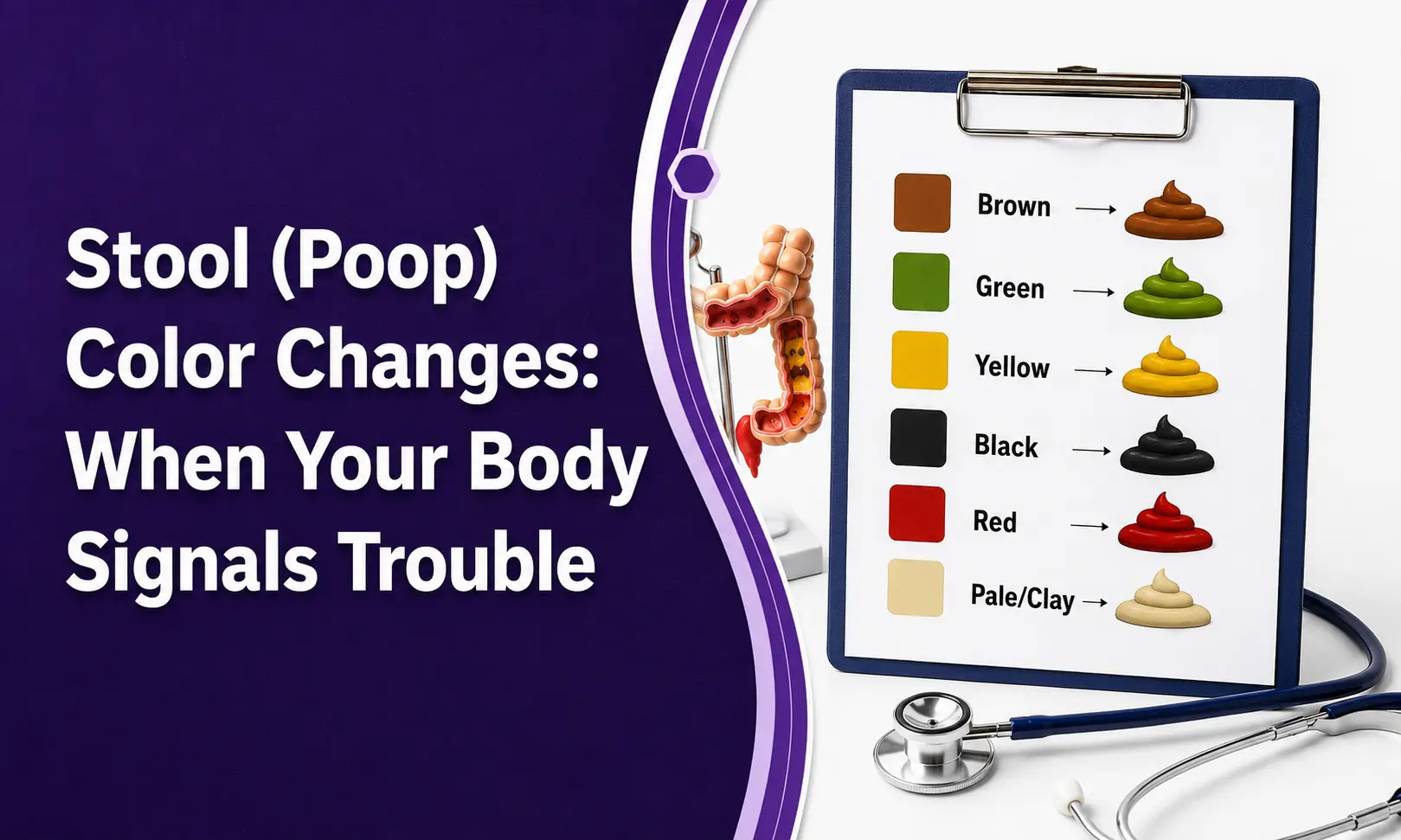
What Do Stool (Poop) Color Changes Mean?
You look in the toilet and notice something different. Green stool. Yellow stool. Black stool. Red stool. Pale or clay-colored stool. Suddenly, one simple bathroom trip turns into a worry.
Stool (Poop) Color Changes and Warning Signs matter because your bowel movements can reveal clues about digestion, hydration, diet, medicines, and possible health problems.
Most color changes come from food, supplements, or temporary stomach upset. However, some colors can point to bleeding, poor bile flow, infection, inflammation, or trouble absorbing fat.
Cleveland Clinic notes that brown stool usually looks normal, while colors such as red, black, yellow, green, gray, white, or clay may need attention when they continue or appear with other symptoms.
Worried about a stool color change? Book a visit with Passion Health Advanced Primary Care and talk to a provider before symptoms become serious.
What Do Stool (Poop) Color Changes and Warning Signs Mean?
Stool gets its normal brown color from bile, a digestive fluid that helps break down fat. Food, gut speed, hydration, medications, and digestive health can all change stool color.
A one-time color change does not always mean danger. For example, spinach can turn stool green.
Beets or red food dye can make stool look red. Iron pills or bismuth medicine can darken stool.
Yet the story changes when the color stays unusual, repeats often, or comes with pain, fever, vomiting, diarrhea, weight loss, dizziness, or blood.
That is why Stool (Poop) Color Changes should never rely on color alone. You also need to look at texture, smell, frequency, pain, and how long the change lasts.
What Is a Normal Stool Color?
Brown stool usually suggests normal digestion. The shade can range from light brown to dark brown. Diet, water intake, and bowel speed can change the exact shade.
Healthy stool also tends to look soft, formed, and easy to pass. GoodRx explains that the Bristol Stool Chart helps people describe stool shape and consistency.
Types 3 and 4 often suggest healthy stool, while Types 1 and 2 may suggest constipation. Types 5, 6, and 7 may suggest diarrhea or loose stool.
Stool Feature | Usually Healthy Sign |
Color | Medium to dark brown |
Shape | Smooth, soft, formed |
Passing | Easy, without severe pain |
Frequency | Regular for your body |
Smell | Not suddenly foul or extreme |
Texture | Not greasy, watery, or hard pellets |
Green Stool: Should You Worry?
Green stool often comes from leafy vegetables, green food coloring, iron supplements, or food moving quickly through the intestines. When stool moves too fast, bile may not fully break down, so stool can look green.
Occasional green stool after eating spinach, kale, green frosting, or dyed drinks usually does not need panic. However, green stool with diarrhea, fever, stomach cramps, dehydration, or mucus may signal infection or irritation.
Green stool warning signs
Call a provider if green stool lasts several days or appears with:
Ongoing diarrhea
Fever
Severe stomach pain
Vomiting
Blood or mucus
Recent travel or food poisoning concern
Green stool can look alarming, but symptoms around it matter more than the color alone.
Yellow Stool: When It May Signal a Problem
Yellow stool can happen after fatty meals, yellow-orange foods, or quick digestion. Sometimes, stool can look yellow when the body does not absorb fat well.
Yellow, greasy, floating, foul-smelling stool needs more attention. That type of stool may suggest excess fat in the stool, pancreatic concerns, bile issues, or conditions such as celiac disease. Yellow stool is a color that can relate to fatty foods, bile duct issues, pancreatitis, or celiac disease.
Yellow stool warning signs
Talk to a provider if yellow stool comes with:
Greasy or oily texture
Stool that floats often
Strong foul smell
Unexplained weight loss
Bloating or cramps
Long-lasting diarrhea
Fatigue
A single yellow stool after a heavy meal may pass. Repeated yellow, greasy stool deserves medical evaluation.
Black Stool: A Color You Should Not Ignore
Black stool can come from iron supplements, bismuth medicine, blueberries, black licorice, or dark foods. But black stool can also signal bleeding higher in the digestive tract, especially when it looks tar-like, sticky, and has a strong foul smell.
Blackish stool may come from foods or medicines, but it can also suggest upper digestive bleeding.
This is one of the most important Stool (Poop) color changes because bleeding can become serious.
Seek urgent care for black stool if you also have:
Dizziness
Weakness
Fainting
Chest discomfort
Shortness of breath
Vomiting blood
Severe stomach pain
Black, tar-like stool without a clear food or medicine cause
Do not wait days when black stool looks tarry or appears with weakness. Get medical advice quickly.
Red Stool: Food Dye or Blood?
Red stool can happen after beets, tomato juice, red drinks, cranberries, or food coloring. Still, bright red stool may also mean bleeding from hemorrhoids, anal fissures, inflammation, infection, or other colon and rectal problems. Cleveland Clinic lists red stool as a possible result of red foods or rectal bleeding.
Red stool warning signs
Call a provider if you notice:
Bright red blood in the toilet
Blood on toilet paper
Clots
Rectal pain
New constipation with bleeding
Diarrhea with blood
Belly pain
Weakness or dizziness
Many people blame hemorrhoids first. However, new or repeated rectal bleeding needs evaluation, especially in adults over 45 or anyone with a family history of colon cancer, inflammatory bowel disease, or unexplained weight loss.
Pale, White, Gray, or Clay-Colored Stool
Pale, gray, white, or clay-colored stool can point to low bile reaching the stool. Bile helps give stool its brown color, so pale stool may be connected with liver, gallbladder, bile duct, or pancreas issues. Cleveland Clinic lists gray, white, or clay-colored stool as a possible sign of liver, bile duct, gallbladder, or pancreas problems.
This color deserves attention when it does not improve quickly.
Pale stool warning signs
Talk to a provider soon if pale stool appears with:
Yellow eyes or skin
Dark urine
Upper right belly pain
Nausea
Fever
Loss of appetite
Itching
Unexplained weight loss
Pale stool plus yellow skin or dark urine needs quick medical care because those symptoms may point to bile flow or liver concerns.
Stool Shape Also Matters
Color tells one part of the story. Shape and texture tell another.
The Bristol Stool Chart separates stool into seven types. Hard pellets or lumpy stool often point to constipation. Smooth, soft, formed stool usually suggests healthy bowel movement. Mushy or watery stool may suggest diarrhea.
Stool types 3 and 4 tend to represent healthy stool, while types 1 and 2 may suggest constipation, and types 5 through 7 may suggest diarrhea.
Stool shape warning signs
Speak with a provider if you notice:
Pencil-thin stool that continues
New constipation that does not improve
Watery diarrhea for more than a few days
Mucus with blood
Severe cramping
Stool leakage
Painful bowel movements
Sudden bowel habit changes
Thin stool can happen with constipation. However, persistent narrowing, bleeding, or unexplained changes need a medical check.
Stool (Poop) Color Changes and Warning Signs by Color
Stool color | Common Causes | Warning Signs |
Brown | Normal digestion | Usually no concern |
Green | Leafy greens, dye, fast digestion | Diarrhea, fever, pain, dehydration |
Yellow | Fatty food, fast digestion | Greasy, floating, foul-smelling stool |
Black | Iron, bismuth, dark foods | Tarry stool, dizziness, weakness |
Red | Beets,red dye, tomatoes | Blood, clots, rectal pain |
Pale/Gray/clay | Low bile, medicines | Yellow skin, dark urine, belly pain |
Irritation, IBS, infection | Blood, fever, weight loss |
When Should You Call a Doctor?
You should call a provider when stool color changes continue, repeat often, or appear with other symptoms. Stool color, shape, smell, and bathroom patterns can offer clues about health and digestion.
Call a provider if you notice:
Black, tar-like stool
Bright red blood
Pale, gray, or clay-colored stool
Yellow, greasy, floating stool
Diarrhea that lasts more than a few days
Constipation that does not improve
Severe abdominal pain
Fever
Vomiting
Unexplained weight loss
Dizziness or fainting
New bowel changes after age 45
What Your Provider May Ask
A provider may ask about your diet, supplements, medications, bowel frequency, pain, recent illness, travel, and family history. Bring details because they help the visit move faster.
Track these details before your appointment:
When the color change started
How often does it happen
Stool color and texture
Foods eaten in the last 48 hours
New medicines or supplements
Pain, fever, nausea, or vomiting
Blood or mucus
Weight changes
Recent antibiotics
Travel or possible food poisoning
A photo can help, too. Many patients feel awkward about that, but doctors use details to find the cause.
How to Support Healthy Stool
Small daily habits can support better digestion.
Drink enough water. Add fiber from fruits, vegetables, beans, oats, and whole grains. Move your body most days.
Avoid ignoring the urge to go. Limit heavy, greasy foods when they trigger diarrhea. Also, review supplements and medicines with your provider if stool color changes start after a new product.
Do not self-treat repeated stool changes for weeks. Laxatives, anti-diarrhea medicines, and supplements can hide symptoms or make some problems worse.
Final Thoughts on Stool (Poop) Color Changes
Most stool color changes do not mean a medical emergency. Food, dye, iron, bismuth medicine, and fast digestion can change stool color for a short time. Still, some changes need attention.
Black tar-like stool, bright red blood, pale or clay-colored stool, greasy yellow stool, ongoing diarrhea, severe pain, fever, dizziness, or unexplained weight loss should not be ignored. Your body may be giving you an early warning.
Do not guess when your stool color changes; keep happening.
Book an appointment with Passion Health Advanced Primary Care for trusted primary care, digestive health evaluation, and clear next steps.
FAQ
1. What stool color is normal?
Brown stool usually looks normal. It can range from light brown to dark brown depending on food, hydration, and digestion.
2. When should I worry about stool color changes?
Worry if stool becomes black, red, pale, gray, greasy yellow, or changes for several days with pain, fever, diarrhea, or weight loss.
3. Can food change stool color?
Yes. Beets, leafy greens, food dyes, iron supplements, and some medicines can change stool color for a short time.
4. Is green stool dangerous?
Green stool often comes from leafy vegetables, food coloring, iron, or fast digestion. Call a provider if it comes with diarrhea, fever, pain, or dehydration.
5. What does black stool mean?
Black stool can come from iron or bismuth medicine, but black tar-like stool may signal bleeding. Get medical care if it appears suddenly or with weakness.