Measles Symptoms You Should Never Ignore: Is This Deadly Outbreak Spreading Near You?
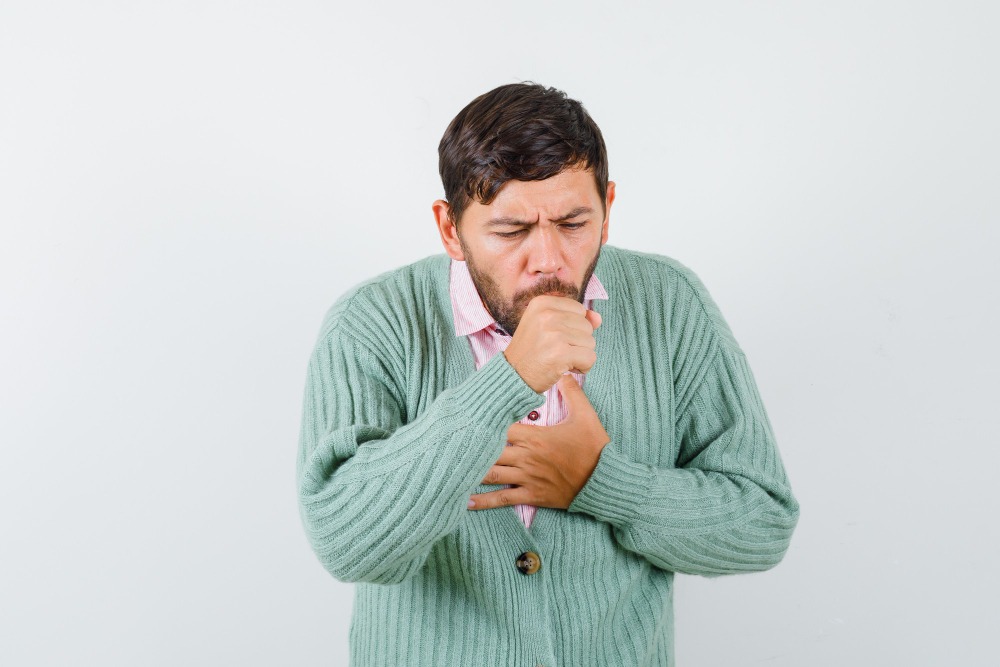
You wake up with a scratchy throat. You brush it off as allergies. But then your child develops a fever, followed by a runny nose and red, watery eyes.
Suddenly, that simple cough feels terrifying.
Measles isn’t just a “harmless childhood rash.” It is a highly contagious, airborne virus that can lead to severe complications, especially in young children and unvaccinated adults.
With cases rising in communities across the country, knowing the measles symptoms could be the difference between a quick recovery and a life-threatening emergency.
If you or your loved one is feeling unwell, you don’t have to navigate this fear alone. Concerned about your symptoms? Book an appointment with Passion Health Primary Care today.
What is Measles?
Measles (rubeola) is a viral respiratory infection that spreads like wildfire. It is so contagious that if one person has it, up to 90% of the unvaccinated people close to them will also become infected.
The virus lives in the nose and throat mucus of an infected person. When they cough or sneeze, the virus can linger in the air for up to two hours. You don’t have to be in the same room as a sick person to catch it—you just have to walk through the air they breathed in.
Early Signs of Measles: What to Watch For
One of the biggest challenges with measles is that early symptoms mimic the common cold. However, the progression is distinct. Here are the critical measles symptoms to look for, typically appearing 7 to 14 days after exposure:
High Fever: A sudden, spiking fever often starting between 101°F and 105°F.
The “Three C’s”: Cough, Coryza (runny nose), and Conjunctivitis (red, watery eyes).
Koplik Spots: Tiny white spots with bluish-white centers that appear inside the mouth. This is a tell-tale sign unique to measles.
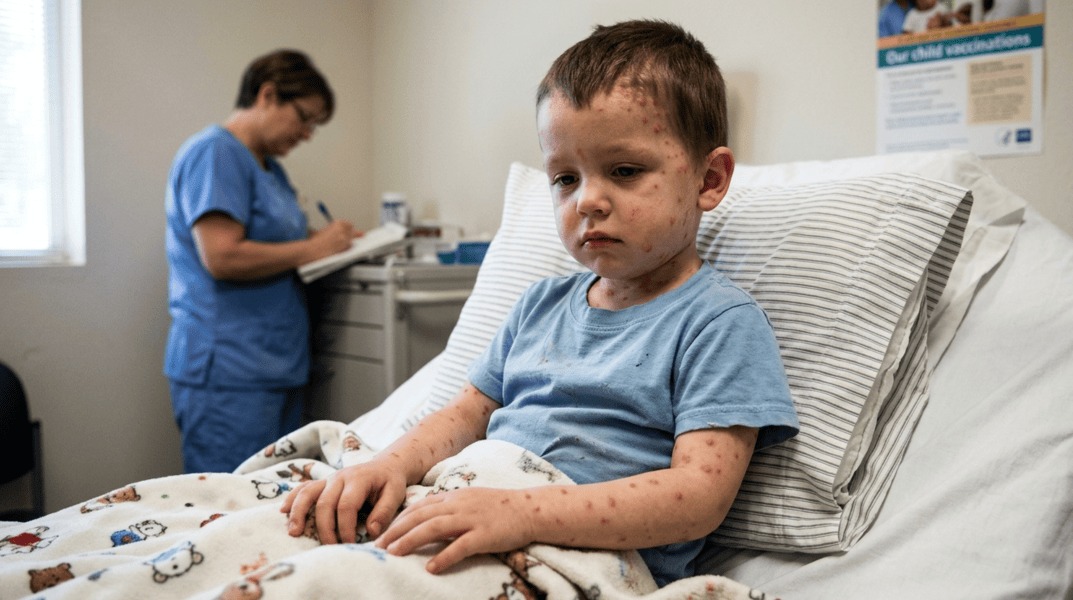
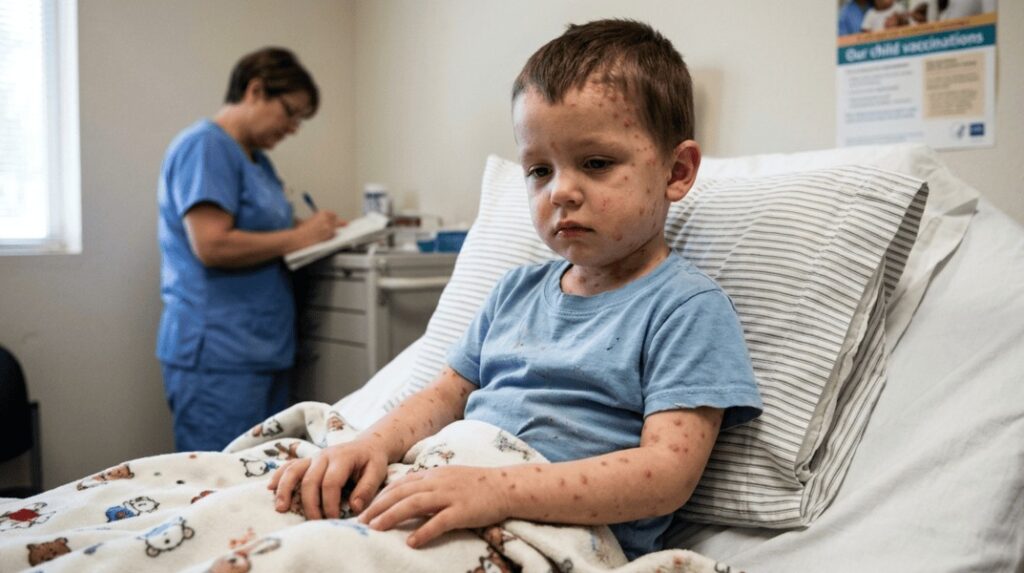
The Rash: Usually appears 3 to 5 days after symptoms start. It begins as flat red spots on the face at the hairline and spreads downward to the neck, trunk, arms, legs, and feet.
If you notice these symptoms progressing, especially the rash spreading downward, time is of the essence.
Causes and Risk Factors
Measles is caused by the paramyxovirus. You catch it through direct contact with infectious droplets or by airborne spread.
You are at higher risk if:
You are unvaccinated.
You are a child under 5 years old.
You are an adult over 20.
You are pregnant.
You have a compromised immune system (e.g., undergoing chemotherapy or have HIV).
You are traveling internationally to areas where measles is more common.
Not sure if these symptoms apply to you? Talk to a doctor today.
Why This Outbreak is Dangerous
You might be wondering, “Is measles really that dangerous? I thought people just got a rash and got better.”
Unfortunately, that is a dangerous misconception. Measles doesn’t just cause a rash; it causes “immune amnesia.” This means that the virus can wipe out your immune system’s memory, making you susceptible to other diseases you were previously protected against.
Complications from measles are severe:
Ear infections: Occur in 1 out of 10 children, sometimes leading to permanent hearing loss.
Pneumonia: The most common cause of death from measles in young children.
Encephalitis: Brain swelling that can lead to seizures, deafness, or intellectual disability. This occurs in roughly 1 in 1,000 cases.
Death: For every 1,000 children who get measles, 1 to 3 will die from respiratory and neurologic complications.
With outbreaks currently active, the risk of exposure is no longer theoretical—it is a present reality in many US communities.
When to See a Doctor
If you suspect measles, do not walk into the clinic unannounced. Measles is a public health emergency; you must call ahead so the clinic can take precautions to protect other patients.
You should seek medical care immediately if:
You or your child have a fever higher than 101°F accompanied by a cough and runny nose.
You notice the Koplik spots inside the mouth.
The rash appears, especially if it starts at the hairline and moves down.
You have been exposed to someone with measles and are unvaccinated.
At Passion Health Primary Care, we understand how scary these symptoms can be. Our physicians are equipped to handle infectious diseases safely and effectively. We prioritize same-day appointments for acute symptoms to ensure you get the care you need without long waits in crowded ERs.
How Passion Health Diagnoses Measles
When you arrive (after calling ahead), our physicians will take immediate action.
Diagnosis usually involves:
Medical History: Reviewing your vaccination status and potential exposure history.
Physical Exam: Specifically looking for the characteristic rash and Koplik spots.
Lab Tests: Because viral symptoms can mimic other illnesses, our doctors may order a blood test or a throat/nasal swab to confirm the measles virus.
We treat you like family. We know that a measles scare is stressful, and we take the time to explain every step of the diagnosis process to you.
Treatment Options: How to Recover
There is no specific antiviral medication to cure measles once it takes hold. Treatment focuses on supportive care to boost the immune system and manage symptoms.
If you are diagnosed, our team at Passion Health will guide you through:
Fever Management: Using acetaminophen or ibuprofen (avoid aspirin in children).
Hydration: Ensuring you or your child drink plenty of fluids to prevent dehydration.
Vitamin A: In children, two doses of Vitamin A given 24 hours apart can help reduce the severity of symptoms and complications.
Rest: Isolation is key. You are contagious from four days before the rash appears to four days after it appears.
For post-exposure treatment, if you are unvaccinated and exposed to measles within the last 72 hours, the MMR vaccine may prevent the disease. If caught within six days, immune globulin can offer protection.
What This Means for You
Reading about measles symptoms and outbreaks can feel overwhelming. You might feel anxiety every time your child coughs or you hear a sneeze in the grocery store.
Here is the reassurance: Protection is possible. The MMR (Measles, Mumps, Rubella) vaccine is safe, effective, and remains the best defense against this deadly virus. Two doses of the vaccine are about 97% effective at preventing measles.
If you are unsure of your vaccination status or if you have a child due for their next round of shots, now is the time to act. Prevention is always easier than treatment.
Don’t Wait Until It’s Too Late
Measles moves fast—but your healthcare team should move faster. Waiting for symptoms to worsen or hoping it’s “just a cold” can put you and your family at risk for severe complications.
At Passion Health Primary Care, we are here to answer your questions, verify your immunity, and provide immediate care if you are feeling unwell. Whether you need a routine vaccination to protect against the current outbreak or a same-day sick visit to address concerning symptoms, we are just a click away.
Don’t ignore early warning signs. Book your appointment with Passion Health Primary Care today and take control of your health.
Frequently Asked Questions (FAQs)
1. Can adults get measles if they were vaccinated as children?
Yes, it is rare but possible. The measles vaccine is highly effective, but no vaccine is 100% effective. However, vaccinated adults who get measles typically have a much milder course of illness and are less likely to spread it to others.
2. How long should I stay home if I have measles?
You should stay home (isolate) for four days after the rash appears. You are contagious for about eight days total—four days before the rash starts and four days after.
3. I’m not sure if I’m vaccinated. What should I do?
You should contact your primary care provider. At Passion Health, we can run a titer test to see if you have antibodies against measles. If you lack immunity, we can administer the MMR vaccine to protect you.
4. Is the measles outbreak currently in my city?
Outbreak locations change rapidly. The best way to stay informed is to check the CDC website and contact your local healthcare provider. At Passion Health, we monitor local public health data and can advise you on the current risk level in our area.
5. Can I get the MMR vaccine if I am pregnant?
No. The MMR vaccine is not recommended during pregnancy. If you are pregnant and concerned about exposure, contact your OB-GYN or primary care doctor immediately to discuss post-exposure prophylaxis options like immune globulin.