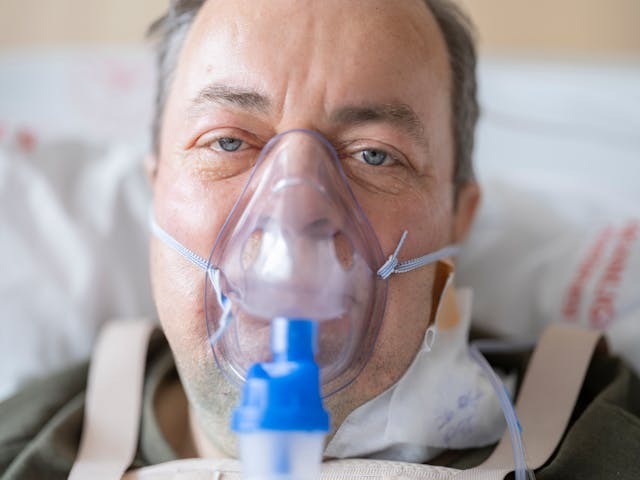
Most people imagine a heart attack as dramatic — someone collapsing suddenly, clutching their chest in unbearable pain.
But in reality, heart attacks often begin quietly.
Sometimes the body whispers before it screams.
And those whispers — those danger bells — can start hours, days, or even weeks before a major cardiac event.
The truth is:
Heart attacks can happen at 25, 45, or 75. They do not always look the same. And they are not always loud.
Understanding the early warning signs could save your life — or someone you love.
First, What Is a Heart Attack?
A heart attack (medically called myocardial infarction) happens when blood flow to part of the heart muscle becomes blocked. This usually occurs because plaque buildup inside coronary arteries ruptures, forming a clot that stops blood flow.
Without oxygen-rich blood, heart muscle cells begin to die within minutes.
Time is heart muscle.
The earlier treatment begins, the better the survival and recovery.
Why Heart Attacks Are Increasing at Younger Ages
Decades ago, heart attacks were primarily seen in older adults. Today, they’re rising in younger populations.
Contributing factors include:
Sedentary lifestyles
Smoking and vaping
Obesity
Undiagnosed high blood pressure
Stimulant use
Many younger adults ignore early symptoms, assuming they are “too young” for heart disease.
That assumption can be fatal.
The 10 Early Danger Bells of a Heart Attack
These are the most important warning signs — across all ages.
1️. Chest Pressure, Tightness, or Fullness
The most classic — yet often misunderstood — symptom.
It may feel like:
A heavy weight sitting on your chest
Squeezing or tightness
Burning or fullness
Mild discomfort mistaken for indigestion
Important: It does not have to be severe.
Some describe it as “uncomfortable pressure” rather than sharp pain.
It may last several minutes or come and go.
If chest discomfort persists for more than five minutes — especially with other symptoms — seek emergency care.
2️. Pain That Spreads to the Arm, Jaw, Neck, or Back
Heart pain often radiates.
You may feel discomfort spreading to:
Left arm (most common)
Both arms
Jaw
Neck
Upper back
Shoulders
Women frequently report jaw or back pain without obvious chest pain.
Younger adults may dismiss arm pain as a muscle strain. But unexplained radiating discomfort deserves immediate evaluation.
3️. Shortness of Breath
You may suddenly feel:
Like you cannot catch your breath
Breathless while sitting still
Winded with minimal activity
Shortness of breath can occur with or without chest discomfort.
In some cases, it is the only symptom.
This happens because the heart cannot pump efficiently, leading to fluid backup in the lungs.
Never ignore sudden breathlessness.
4️. Unusual or Extreme Fatigue
This is one of the most overlooked warning signs — especially in women.
You may experience:
Sudden exhaustion
Difficulty completing routine tasks
Feeling drained for days without explanation
If climbing stairs feels dramatically harder than usual, or daily activities suddenly feel overwhelming, pay attention.
Your heart may be struggling long before obvious chest pain begins.
5️. Nausea, Indigestion, or Vomiting
Heart attack symptoms can mimic stomach issues.
You may notice:
Nausea
Vomiting
Upper abdominal discomfort
Burning sensation mistaken for acid reflux
These symptoms are especially common in women and older adults.
If “indigestion” feels unusual, intense, or occurs alongside sweating or chest pressure, it may not be your stomach.
6️. Cold Sweats and Clammy Skin
Breaking into a sudden sweat — without exercise or heat — is a red flag.
You may feel:
Cold and sweaty
Sticky skin
Chills combined with sweating
This occurs when the body activates stress hormones in response to cardiac distress.
If sweating accompanies chest discomfort or dizziness, call emergency services immediately.
7️. Dizziness or Lightheadedness
Feeling faint can signal reduced blood flow to the brain.
You may experience:
Sudden lightheadedness
Blurred vision
Loss of balance
Feeling like you may pass out
In older adults, this may be mistaken for low blood pressure. In younger people, it may be blamed on dehydration.
Combined with other symptoms, dizziness can be dangerous.
8️. Irregular or Racing Heartbeat
A heart under stress may beat abnormally.
You may feel:
Fluttering in the chest
Skipped beats
Racing pulse
Pounding heartbeat
Not all palpitations mean heart attack. But if they are new, severe, or paired with discomfort or breathlessness, seek immediate care.
9. Anxiety or a Sudden Sense of Doom
Many heart attack survivors report:
“I just felt like something was terribly wrong.”
This intense, unexplained fear or restlessness is real.
The body senses distress before the mind understands it.
If anxiety appears suddenly with physical symptoms, do not ignore it.
10. Silent Symptoms — Especially in Diabetes
Some heart attacks produce minimal pain.
People with diabetes, nerve damage, or older age may experience:
Mild pressure
Weakness
Fatigue
Shortness of breath
These “silent” heart attacks are especially dangerous because they go untreated longer.
Never rely on pain severity to judge seriousness.
How Symptoms Differ by Age
In Younger Adults (20–40)
Often linked to smoking, stress, or stimulant use
More likely to dismiss symptoms
May experience anxiety-like presentation
In Middle Age (40–60)
Classic chest pressure more common
High cholesterol and blood pressure major factors
Stress-related triggers
In Older Adults (60+)
Symptoms may be subtle
More shortness of breath and fatigue
Higher mortality if delayed
Differences Between Men and Women
Women are more likely to experience:
Jaw pain
Back pain
Nausea
Extreme fatigue
Shortness of breath without chest pain
Men more often experience:
Strong central chest pressure
Arm pain
Because women’s symptoms are less “classic,” diagnosis may be delayed. Awareness saves lives.
When to Call 911
Call emergency services immediately if:
Chest discomfort lasts more than five minutes
Pain spreads to arm, jaw, or back
Shortness of breath is severe
Sweating accompanies pressure
You feel faint
Do not drive yourself.
Emergency responders can begin life-saving treatment immediately.
Why Early Recognition Matters
Within minutes of blocked blood flow, heart muscle begins to suffer damage.
After 90 minutes, permanent injury can occur.
Early treatment dramatically improves survival and recovery.
The Most Dangerous Thought
“I’ll wait and see.”
Many patients delay care because:
They feel embarrassed
They don’t want to overreact
They think they are too young
They assume it’s anxiety
Minutes matter more than pride.
Who Is at Higher Risk?
Risk increases with:
High blood pressure
High cholesterol
Diabetes
Smoking or vaping
Obesity
Family history
Sedentary lifestyle
Chronic stress
Even one risk factor increases danger
How to Reduce Your Risk at Any Age
Prevention is powerful.
You can protect your heart by:
Monitoring blood pressure
Checking cholesterol yearly
Controlling blood sugar
Maintaining healthy weight
Exercising regularly
Eating heart-healthy foods
Managing stress
Avoiding tobacco
Routine primary care visits detect silent risk factors before they become emergencies.
Final Thoughts: Listen to the Bells
Heart attacks do not always announce themselves loudly.
Sometimes the body whispers.
Pressure. Fatigue. Breathlessness. Nausea. Anxiety.
These are not random symptoms. They are signals.
Danger bells.
Whether you are 25 or 75, your heart deserves attention.
If something feels unusual — trust your instincts. It is always better to seek care and be told “you’re fine” than to ignore symptoms that could cost your life.
Your heart beats over 100,000 times every day.
Listen when it asks for help.
About Passion Health Primary Care
At Passion Health Primary Care, we believe prevention is powerful. Our experienced medical team provides comprehensive heart health evaluations, including:
Blood pressure monitoring
Cholesterol screening
Diabetes management
Cardiac risk assessment
Preventive physical exams
Lifestyle counseling
We serve families and individuals across North Texas with a focus on early detection, personalized care, and long-term wellness.
If you have risk factors — or if you’ve experienced any warning signs mentioned above — don’t wait.
Early evaluation can prevent emergency situations.