Toradol (Ketorolac) Shot Side Effects: What You Need to Know Before Your Injection
Key takeaways
- A Toradol (ketorolac) shot can relieve severe pain, but it carries real risks, especially for the stomach and kidneys.
- Common side effects include stomach upset, nausea, headache, and pain at the injection site.
- Stomach bleeding, kidney problems, heart risks, and allergic reactions are serious and need urgent care.
- People with kidney disease, stomach ulcers, heart conditions, or those on blood thinners face higher risk.
- Doctors usually limit use to a short period, and repeated injections should only follow a proper evaluation.
On this page
- Toradol (Ketorolac) Shot Side Effects: What You Need to Know Before Your Injection
- What Is a Toradol (Ketorolac) Shot?
- What Are the Common Side Effects of a Toradol (Ketorolac) Shot?
- What Are the Serious Side Effects of a Toradol Shot?
- Who Should Avoid a Toradol (Ketorolac) Shot?
- How Long Do Toradol (Ketorolac) Shot Side Effects Last?
- How Many Days Can You Use Toradol (Ketorolac)?
- What Are Safer Alternatives to a Toradol Shot?
- How to Reduce Toradol (Ketorolac) Shot Side Effects
- Why Patients Often Regret Not Knowing These Risks
- Final Thoughts: Is the Toradol Shot Worth It?
- Frequently Asked Questions (FAQs)
Pain can stop life. One moment you feel fine; the next you struggle to move, work, or even sleep. That’s when many people turn to a fast-acting solution—the Toradol (ketorolac) shot. It is often chosen for quick relief and because it is not a narcotic.
But here’s the truth most people don’t hear clearly enough: Toradol is powerful—and that power comes with real risks.
Before getting this injection, it’s important to understand exactly what can happen inside the body. Some side effects feel mild. Others can turn serious fast.
If you’re considering this shot, don’t wait until after the injection to learn the risks.
Take control of your health today. Book a consultation with Passion Health Primary Care before choosing pain treatment.
What Is a Toradol (Ketorolac) Shot?
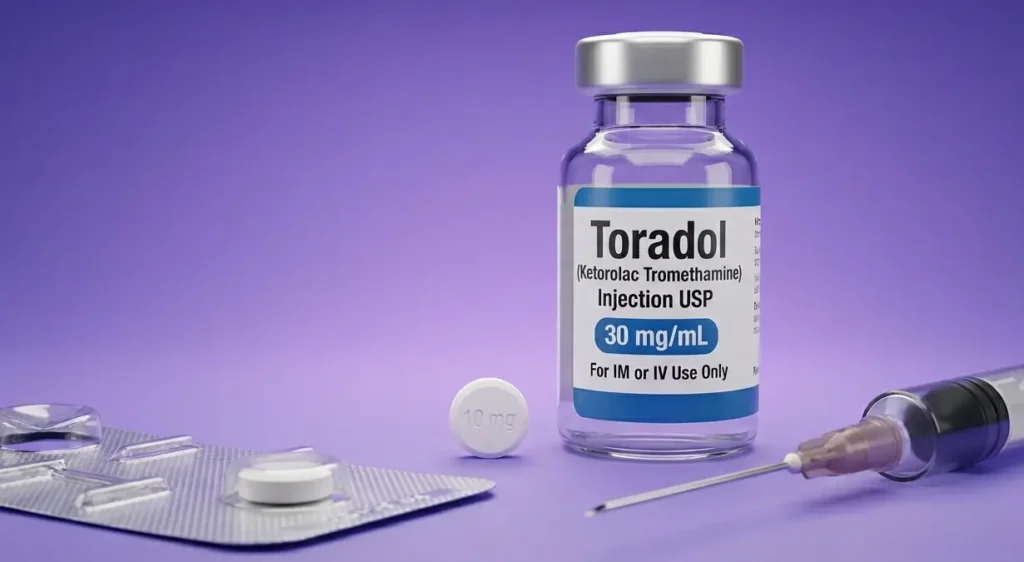
The Toradol (ketorolac) shot is a nonsteroidal anti-inflammatory drug (NSAID) given as an injection. Doctors use it for short-term pain relief, often after surgery, injury, or severe inflammation.
Unlike opioids, it is not considered addictive. That makes it a popular choice in urgent care and primary care settings.
However, “non-addictive” does not mean “risk-free.”
This medication works by blocking chemicals that cause pain and inflammation. At the same time, it also affects the stomach, kidneys, and blood flow—leading to potential side effects.
What Are the Common Side Effects of a Toradol (Ketorolac) Shot?
Many people notice side effects within hours of the injection. Some feel mild and pass quickly, but they still matter.
Stomach Pain and Upset
Toradol irritates the stomach lining. You may feel:
Burning sensation
Cramping
Nausea
This happens because the drug can reduce the protective lining of the stomach.
Nausea and Vomiting
Many patients report nausea shortly after the shot. Eating before the injection may reduce this risk, but not always.
Headache and Dizziness
You may feel lightheaded or develop a headache. Avoid driving or heavy activity if this happens.
Injection Site Pain
The shot itself can cause:
Soreness
Swelling
Mild redness
These symptoms usually fade within a day.
What Are the Serious Side Effects of a Toradol Shot?
Here’s where things get serious. Some side effects can become life-threatening if ignored.
| Side effect | Signs to watch for | How serious |
|---|---|---|
| Stomach pain and upset | Burning, cramping, nausea | Common |
| Injection site pain | Soreness, swelling, mild redness | Common, usually fades within a day |
| Stomach bleeding | Black or tarry stools, vomiting blood, severe abdominal pain | Serious: seek care right away |
| Kidney damage | Reduced urine, swelling in the legs, fatigue | Serious: contact your clinician |
| Heart risks | Signs of heart attack or stroke | Serious: call 911 |
| Allergic reaction | Difficulty breathing, swelling of the face or throat, rash or hives | Serious: immediate medical attention |
Stomach Bleeding
This is one of the most dangerous risks.
Warning signs include:
Black or tarry stools
Vomiting blood
Severe abdominal pain
Toradol increases the chance of internal bleeding, especially in older adults.
Kidney Damage
The kidneys rely on proper blood flow. Toradol can reduce that flow.
Watch for:
Reduced urine
Swelling in the legs
Fatigue
People with existing kidney issues face a higher risk.
A kidney function check (eGFR and creatinine) is part of Passion Health Essential Blood Work.
Heart Risks
Toradol may increase the chance of:
Stroke
This risk rises with higher doses or longer use.
Allergic Reactions
Some people develop severe reactions, including:
Difficulty breathing
Swelling of the face or throat
Rash or hives
This requires immediate medical attention.
Who Should Avoid a Toradol (Ketorolac) Shot?
Not everyone should receive this injection.
High-Risk Groups
People with stomach ulcers
Patients with kidney disease
Individuals with heart conditions
Those taking blood thinners
Older adults
Complications can occur in these groups, even after one dose.
Pregnancy Warning
Toradol should not be used during late pregnancy. It may harm the baby and affect delivery.
How Long Do Toradol (Ketorolac) Shot Side Effects Last?
Many mild side effects fade within a day or two. However, serious complications can develop later.
That’s why monitoring symptoms after the injection matters.
If something feels off, don’t ignore it.
How Many Days Can You Use Toradol (Ketorolac)?
Doctors usually limit Toradol use to 5 days or less.
Why?
Because longer use can increase risks:
Internal bleeding
Cardiovascular issues
Even a single high dose can cause problems in sensitive individuals.
Follow medical advice closely, and avoid requesting repeated injections without a proper evaluation.
What Are Safer Alternatives to a Toradol Shot?
Pain relief doesn’t have to come with high risk.
Depending on the condition, safer options may include:
Oral NSAIDs (lower doses)
Physical therapy
Targeted treatments
Lifestyle adjustments
The right approach depends on the root cause of pain—not just symptom relief.
Pain should not force risky decisions.
Get a personalized pain management plan at Passion Health Primary Care. Effective treatment starts with the right guidance.
How to Reduce Toradol (Ketorolac) Shot Side Effects
If a doctor recommends this injection, take steps to lower the risk:
Stay hydrated
Avoid alcohol
Do not combine with other NSAIDs
Inform your doctor about all medications
Report symptoms early
Small precautions can help prevent major complications.
Why Patients Often Regret Not Knowing These Risks
Some patients receive the shot without a full explanation of the risks.
They expect relief. They don’t expect:
Sudden stomach pain
Unexpected bleeding
Kidney-related symptoms
That gap in awareness can lead to fear after the fact.
Knowing the risks beforehand can help you make more informed decisions.
Final Thoughts: Is the Toradol Shot Worth It?
The Toradol (ketorolac) shot works fast. It can reduce severe pain when used correctly.
But it is not a casual treatment.
The risks—especially stomach bleeding and kidney damage—make it essential to use only when truly necessary.
Pain relief should not come at the cost of long-term health.
Don’t take chances with your health.
Book your appointment with Passion Health Primary Care today and get expert guidance before choosing a Toradol shot or any pain treatment.
Your safety matters. Your health deserves better decisions.
Need care for this?
A Passion Health clinician can see you in person or online.

In person
Request an in-person visit at any Passion Health location to review your cholesterol numbers and heart risk.
Choose your clinic and clinician across North Texas
Book an appointment in person at Passion Health clinics
Online
Answer a few questions online to find the right next step, whether that is a visit, lab work, or a referral. For non-emergency questions, you can get care online through Passion Health Online Care.
Adults 18 and older in Texas · Texas-licensed clinicians
Get the right care in a few steps
Blood work
Your clinician can order a lipid panel and any other labs recommended for you during your visit.
Essential Blood Work · $59
Get Passion Health Blood WorkFrequently Asked Questions (FAQs)
How fast do Toradol (ketorolac) shot side effects start?
Toradol (ketorolac) shot side effects can begin within a few hours after the injection. Mild symptoms like nausea or dizziness may appear quickly, while serious issues like stomach bleeding can develop later.
Are Toradol (ketorolac) shot side effects dangerous?
Some Toradol (ketorolac) shot side effects are mild, but others can be serious. Risks like stomach bleeding, kidney damage, and heart problems require immediate medical attention.
How long can Toradol (ketorolac) side effects last?
Many mild Toradol (ketorolac) shot side effects fade within a day or two. However, serious complications may last longer and need medical treatment.
Who should avoid Toradol (ketorolac) shots?
People with kidney disease, stomach ulcers, heart conditions, or those taking blood thinners should avoid Toradol (ketorolac) shots due to a higher risk of severe side effects.
Can you get multiple Toradol (ketorolac) shots safely?
Doctors usually limit Toradol use to a maximum of 5 days. Repeated use increases the risk of severe Toradol (ketorolac) shot side effects, including internal bleeding and kidney problems.
Review By Passion Health Physician