
Stomach Pain: Medicines, Causes, Home Remedies & When to See a Primary Care Doctor
Stomach pain is a very common problem. Almost everyone experiences it at some point. It can happen because of gas, indigestion, infections, or other digestive issues. Most mild stomach pain improves with simple treatments, but sometimes medical care is needed.
Understanding why stomach pain happens and how to manage it can help you feel better faster.
Medicines Doctors May Recommend for Stomach Pain
Primary care doctors usually try to find the cause of the pain first before recommending medication.
1. Pain Relief Medicines
For mild stomach pain, doctors may suggest gentle pain relief medicine.
Examples include:
Acetaminophen (Paracetamol)
Mild pain relievers recommended by your doctor
These medicines help reduce pain and discomfort without irritating the stomach too much.
Strong painkillers should only be taken if a doctor recommends them
2. Medicines That Reduce Stomach Acid
If stomach pain is caused by acid reflux, gastritis, or heartburn, doctors may prescribe medicines that lower stomach acid.
Common options include:
Omeprazole
Pantoprazole
Other acid-reducing medications
These medicines work by reducing acid production in the stomach, which helps relieve burning pain and irritation.
3. Medicines for Gas or Bloating
Gas buildup in the stomach can cause pressure and pain.
Doctors may recommend:
Antacids
Gas relief medicines
Digestive medicines
These help by reducing gas and neutralizing stomach acid, making digestion more comfortable
4. Medicines for Stomach Cramps
Sometimes stomach pain happens because the muscles in the digestive system tighten or spasm.
Doctors may prescribe medicines that relax the stomach muscles and reduce cramping.
Common Causes of Stomach Pain
Stomach pain can have many causes. Some are mild, while others may need medical attention.
Digestive Causes
These are the most common reasons:
Gas or bloating
Indigestion
Acid reflux
Eating heavy or spicy food
Food poisoning
Other Possible Causes
Sometimes stomach pain may be related to:
Stomach infections
Ulcers
Irritable bowel syndrome (IBS)
Kidney stones
Appendicitis
Because many conditions can cause stomach pain, a doctor may need to evaluate persistent symptoms

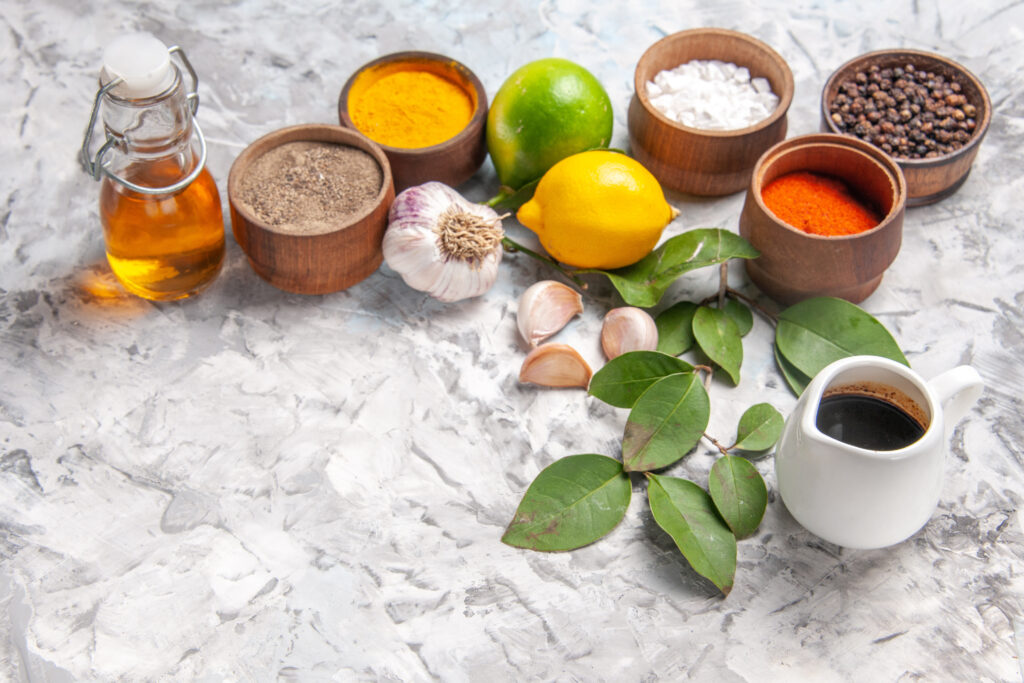
Simple Home Remedies for Mild Stomach Pain
Many mild stomach problems improve with simple home care.
Helpful remedies include:
Drinking warm water or herbal tea
Eating light foods such as rice, bananas, or toast
Using a warm heating pad on the stomach
Avoiding spicy, oily, or heavy meals
Resting and staying hydrated
Traditional remedies like ginger tea, fennel seeds, or buttermilk may also help improve digestion.
When You Should Visit a Primary Care Doctor
You should see a doctor if stomach pain:
Lasts more than one or two days
Becomes severe
Happens frequently
Comes with fever
Causes vomiting or diarrhea
Appears with blood in stool
A primary care doctor can help identify the cause and recommend the right treatment
When Stomach Pain Could Be an Emergency
Seek immediate medical care if you experience:
Sudden and severe stomach pain
Pain after an injury
Persistent vomiting
Signs of dehydration
Severe abdominal swelling
These symptoms may indicate a serious condition that requires urgent treatment
Final Thoughts
Most stomach pain is caused by gas, indigestion, or mild digestive problems, and it usually improves with simple treatments and rest. However, if the pain is severe, persistent, or unusual, it is important to see a primary care doctor for proper evaluation and care.
At Passion Health Primary Care, doctors help diagnose the cause of stomach pain and provide personalized treatment so patients can return to feeling healthy and comfortable. Book Your appointment