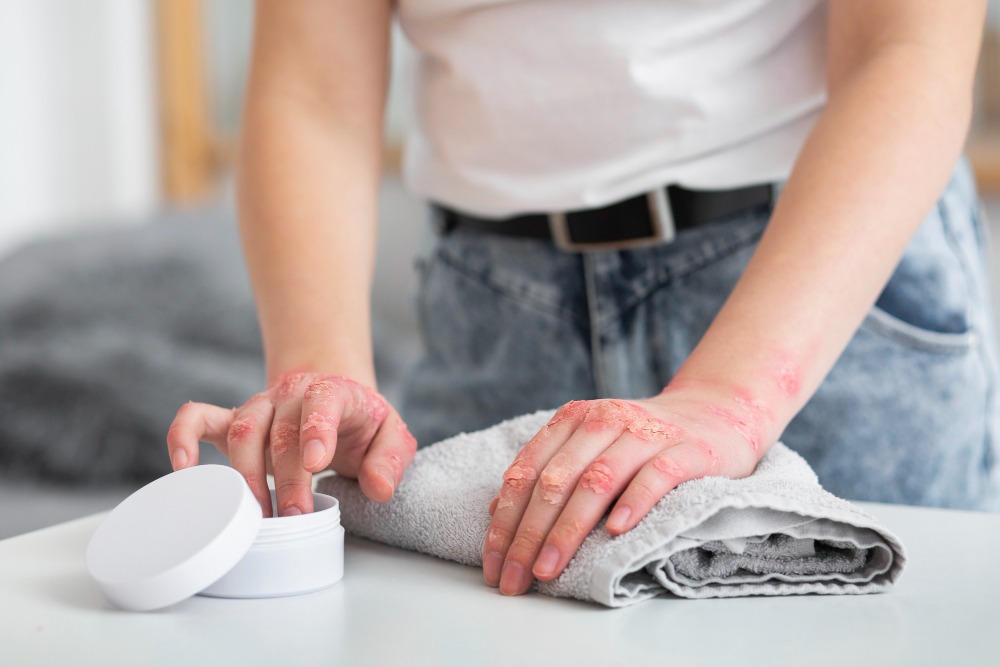
Skin & Infectious Diseases: Symptoms, Causes, Treatment & Prevention Guide
Skin and infectious diseases affect millions of people every year and range from mild, temporary conditions to serious infections requiring medical care. The skin is the body’s first line of defense against germs, while the immune system works continuously to protect against harmful bacteria, viruses, fungi, and parasites.
When this protective system is weakened or breached, infections and skin disorders can develop. Early diagnosis, proper treatment, and preventive care are essential for maintaining healthy skin and preventing complications. This comprehensive guide explains common skin and infectious diseases, their symptoms, causes, diagnosis, treatment options, and prevention strategies.
Understanding Skin and Infectious Diseases
Skin diseases affect the outer layer of the body and may cause irritation, inflammation, discoloration, or lesions. Infectious diseases occur when harmful microorganisms enter the body and multiply.
Many skin conditions are infectious in nature, meaning they can spread from person to person through contact, shared items, or contaminated surfaces.
These conditions may be:
Acute (short-term)
Chronic (long-term)
Contagious
Autoimmune-related
Allergy-related
Environment-related
Proper medical evaluation helps determine the exact cause and best treatment.
Common Skin Conditions
Many skin disorders are commonly treated in primary care and dermatology settings.
Eczema (Atopic Dermatitis)
Eczema causes dry, itchy, inflamed skin and is often linked to allergies and immune sensitivity.
Acne
Acne develops when pores become clogged with oil and dead skin cells, leading to pimples and cysts.
Psoriasis
Psoriasis is an autoimmune disorder that causes thick, scaly patches on the skin.
Dermatitis
Contact dermatitis occurs when skin reacts to irritants or allergens.
Rosacea
Rosacea causes facial redness, visible blood vessels, and skin sensitivity.
Warts
Warts are caused by viral infections and appear as small growths on the skin.
Skin Rashes
Rashes may result from infections, allergies, medications, or autoimmune diseases.
Common Infectious Skin and Body Diseases
Some infections primarily affect the skin, while others involve multiple body systems.
Bacterial Infections
Impetigo
Cellulitis
Staphylococcal infections
Folliculitis
Viral Infections
Herpes simplex
Shingles
Chickenpox
Warts
Measles
Fungal Infections
Ringworm
Athlete’s foot
Nail fungus
Yeast infections
Parasitic Infections
Scabies
Lice
Bedbug bites
Systemic Infections
Some infections affect the entire body, such as:
Tuberculosis
Hepatitis
HIV
Sepsis
Lyme disease
These require immediate medical care.
Causes and Risk Factors
Skin and infectious diseases develop due to various internal and external factors.
Common Causes Include:
Weakened immune system
Cuts or wounds
Close contact with infected individuals
Contaminated water or food
Poor sanitation
Chronic illnesses
Stress
Excessive sweating
Shared personal items
Certain occupations and environments increase exposure risk.
Symptoms of Skin and Infectious Diseases
Symptoms vary depending on the condition and severity.
Skin Symptoms
Redness
Itching
Swelling
Rashes
Blisters
Sores
Scaling
Discoloration
Dryness
Pain
Infection Symptoms
Fever
Fatigue
Chills
Body aches
Swollen lymph nodes
Headache
Loss of appetite
Warning Signs That Require Immediate Medical Attention
Seek urgent care if you experience:
Rapidly spreading rash
High fever
Severe pain
Pus-filled wounds
Facial swelling
Difficulty breathing
Signs of sepsis
Black or necrotic skin
Sudden weakness
These may indicate serious infections.
Diagnosis and Medical Evaluation
Accurate diagnosis is essential for effective treatment.
Diagnostic Methods Include:
Physical examination
Medical history review
Skin scrapings or cultures
Blood tests
Biopsy (in some cases)
Allergy testing
PCR testing for viruses
Proper diagnosis prevents incorrect treatment and complications.
Treatment Options for Skin and Infectious Diseases
Treatment depends on the cause and severity.
Medications
Doctors may prescribe:
Antibiotics (for bacterial infections)
Antiviral drugs
Antifungal medications
Antiparasitic treatments
Corticosteroid creams
Anti-inflammatory drugs
Antihistamines
Medication must be taken exactly as prescribed.
Topical and Local Treatments
Many skin conditions respond well to topical therapy:
Medicated creams
Ointments
Lotions
Antiseptic washes
Moisturizers
Medicated shampoos
Proper skin care supports healing.
Lifestyle and Home Management
Healthy habits improve skin and immune health:
Maintain good hygiene
Keep skin clean and dry
Avoid scratching
Wear breathable clothing
Use sunscreen
Avoid sharing personal items
Follow wound-care instructions
These practices reduce infection risk.
Complications of Untreated Skin and Infectious Diseases
Without proper care, these conditions may lead to serious health problems.
Possible complications include:
Scarring
Chronic skin damage
Recurrent infections
Bloodstream infections
Organ damage
Permanent nerve injury
Social and emotional distress
Hospitalization
Early treatment prevents long-term consequences.
Recovery and Long-Term Skin Care
Recovery depends on the condition, treatment, and overall health.
Tips for Healthy Skin and Immunity:
Follow medication schedules
Moisturize regularly
Avoid harsh products
Protect skin from sun
Eat nutrient-rich foods
Manage stress
Get enough sleep
Attend follow-up visits
Consistent care supports long-term skin health.
Prevention of Skin and Infectious Diseases
Many skin and infectious illnesses can be prevented through simple practices.
Preventive Strategies Include:
Frequent handwashing
Regular bathing
Proper wound care
Vaccinations
Wearing protective clothing
Cleaning shared surfaces
Practicing safe sex
Using insect repellents
Prevention reduces infection spread and healthcare costs.
Special Considerations for High-Risk Individuals
Some people are more vulnerable to complications:
Older adults
Diabetic patients
Immunocompromised individuals
Hospitalized patients
People with chronic skin conditions
These individuals should seek early medical care for symptoms.
When to See a Doctor
Consult a healthcare provider if you experience:
Persistent rash
Worsening infection
Fever with skin changes
Painful sores
Nail discoloration
Recurrent infections
Non-healing wounds
Sudden skin changes
Early evaluation improves outcomes.
How Primary Care Supports Skin and Infection Management
Primary care providers play a key role in managing skin and infectious diseases. They provide:
Medication management
Preventive counseling
Wound care
Vaccination services
Referral to specialists
Chronic condition monitoring
Continuity of care ensures complete recovery.
Our Commitment to Skin and Immune Health
At Passion Health Primary Care, we provide comprehensive care for skin and infectious diseases. Our medical team focuses on accurate diagnosis, effective treatment, and preventive strategies to help patients maintain healthy skin and strong immunity.
We are committed to protecting your health and comfort at every stage of life.
Frequently Asked Questions (FAQ)
Are skin infections contagious?
Some are contagious, depending on the cause. Proper hygiene reduces risk.
Can home remedies cure skin infections?
Mild cases may improve, but medical treatment is often necessary.
How long do fungal infections last?
With treatment, most clear within 2–4 weeks.
Does stress affect skin health?
Yes. Stress can worsen eczema, acne, and psoriasis.
When should I worry about a rash?
If it spreads rapidly, causes fever, or is painful, seek medical care.