5. Overcoming Anxiety About GYN Exams: Your Guide to a Comfortable Visit
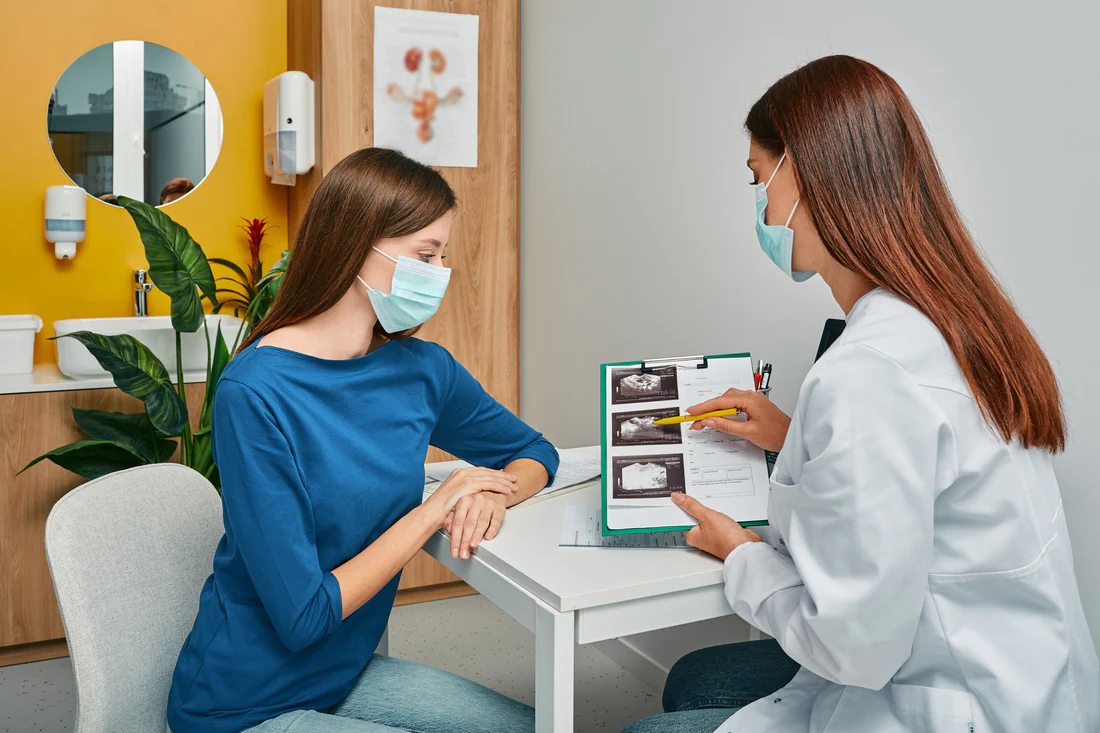
It is estimated that nearly one in three women delay their reproductive health screenings due to anxiety. At Passion Health Primary Care, we believe that feeling nervous is normal—but it shouldn’t stand in the way of your health.
Whether you are worried about pain, embarrassment, or have a history of trauma, knowing your options can transform your experience from “stressful” to “empowering.”
1. Why Am I So Nervous? (Validating Your Feelings)
“White Coat Syndrome” is real, but GYN anxiety often goes deeper. Recognizing the root of your fear is the first step to managing it.
Fear of Pain: Worries that the speculum or swab will hurt.
Body Image: Feeling self-conscious or vulnerable during the exam.
Past Trauma: For survivors of sexual assault, pelvic exams can be triggering.
Fear of Judgment: Worrying about what the doctor will think about your history or lifestyle.
2. The “Trauma-Informed” Approach
Modern gynecology has shifted toward Trauma-Informed Care. This means our providers assume that every patient may have had a negative past experience and we adjust our care accordingly.
The “Stop” Signal: You are in control. If you say “stop” or raise your hand, the exam pauses immediately. No questions asked.
Explanation First: We tell you exactly what we are going to do before we touch you. (e.g., “You will feel a cold touch on your leg now.”)
3. Five Pro-Tips for a Better Experience
You have more control over the environment than you might think. Try these strategies during your next visit:
Ask for a “Pediatric” Speculum: If you are worried about pressure or pain, ask for the smallest size available. It is just as effective for most screenings.
Bring a Chaperone: You are always allowed to have a friend, partner, or family member in the room with you.
Distract Your Senses: Ask if you can wear headphones and listen to music or a podcast during the procedure.
Empty Your Bladder: Using the restroom right before your exam makes the pelvic pressure significantly less uncomfortable.
Keep Your Socks On: It sounds small, but keeping your socks on can make you feel less “exposed” and vulnerable while in the stirrups.
4. Your Patient Bill of Rights
You are the captain of your own healthcare journey. At every appointment, you have the right to:
Decline Specific Parts: You can consent to a breast exam but decline a pelvic exam, or vice versa.
Ask for a Female Provider: We will always do our best to accommodate preference for a female clinician.
remain Clothed: For the consultation part of the visit (talking about meds, history, etc.), you should remain fully clothed and comfortable.
Note: Your health matters more than fear. A 10-minute appointment can provide protection and peace of mind for years to come.
Sidebar: How to Talk to Your Doctor (A Cheat Sheet)
Sometimes the hardest part is just starting the conversation. Feel free to read these exact phrases to your provider at Passion Health Primary Care when you walk into the room.
1. If you are generally nervous:
“I have a lot of anxiety about pelvic exams. Can we take this slowly, and could you explain what you are doing before you do it?”
2. If you are worried about pain:
“In the past, these exams have been painful for me. Is it possible to use a pediatric (smaller) speculum today?”
3. If you have a history of trauma:
“I have a history of trauma that makes this exam difficult. I might need to take a break or stop if I get overwhelmed.” (Note: You do not need to share details of the trauma, just that it exists.)
4. If you need a moment during the exam:
“I need to pause for a second, please.”
5. If you want a distraction:
“Is it okay if I keep my headphones in and listen to music during the exam to help me relax?”
Author : Dr. Shyamala Arani (MD, FACP, CHCQM)