What Is Looksmaxxing? Understanding the Viral Trend and Its Impact on Young Men’s Mental Health
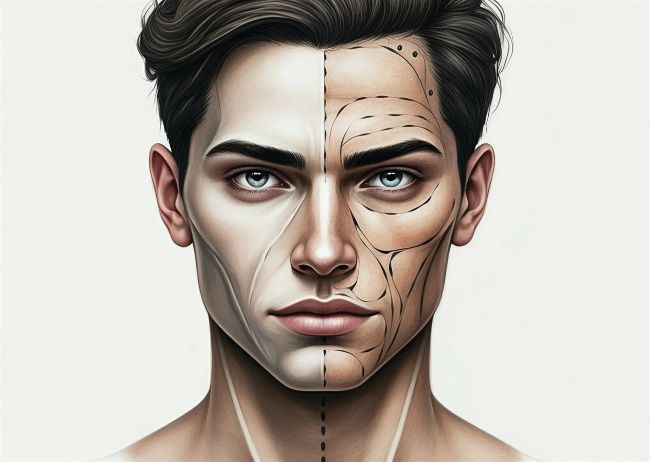
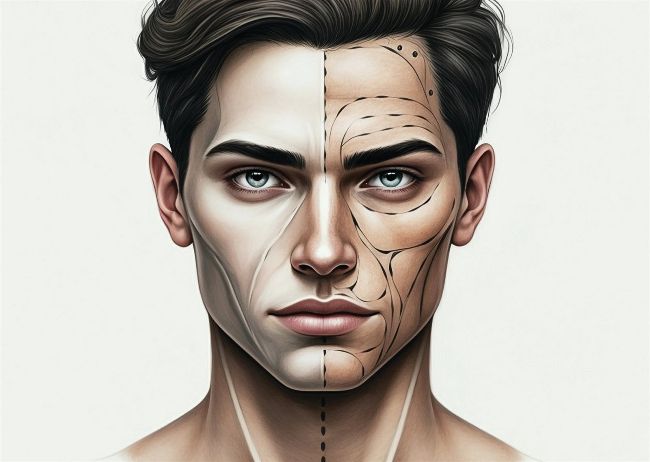
Social media trends influence how people think about themselves, their identity, and even their appearance. One recent trend gaining popularity among young men online is looksmaxxing. This movement encourages individuals to “maximize” their physical attractiveness through various methods, ranging from simple grooming changes to extreme body modifications.
At first glance, looksmaxxing may appear to promote self-improvement. Many online influencers present it as a way for men to build confidence, improve dating prospects, and enhance their overall image. However, mental health experts warn that this trend can also promote unrealistic beauty standards, body dissatisfaction, and harmful psychological patterns.
Understanding the looksmaxxing trend, its impact on young men, and the difference between healthy self-improvement and unhealthy obsession is essential in today’s social media-driven world.
According to the mental health specialists at Passion Health Physicians, true self-improvement should prioritize overall health, self-acceptance, and emotional balance, as constant pressure to change appearance can increase anxiety and harm self-esteem in young men.
The Rise of the Looksmaxxing Trend on Social Media
Looksmaxxing originated in online forums and communities focused on physical attractiveness. Over time, the idea spread across platforms like TikTok, Instagram, and YouTube, where influencers share tips on how men can enhance their facial features, body structure, and overall appearance.
The core concept behind looksmaxxing is simple: improve your looks as much as possible to reach an “ideal” version of attractiveness.
Content related to looksmaxxing often includes:
Fitness routines for building muscle
Skin care and grooming advice
Hair styling techniques
Fashion recommendations
Diet plans
Cosmetic procedures
While some of these suggestions focus on healthy lifestyle improvements, others push individuals toward extreme measures, including cosmetic surgeries and experimental appearance modifications.
As these ideas continue to circulate online, more young men are becoming aware of and influenced by the trend.
Related Trends: Softmaxxing and Hardmaxxing
Looksmaxxing is not a single concept. It is often divided into two related approaches: softmaxxing and hardmaxxing.
Understanding these terms helps clarify how far some individuals may go to change their appearance.
Softmaxxing
Softmaxxing refers to minor, non-invasive improvements in appearance. These changes are usually safe and focus on lifestyle habits.
Examples of softmaxxing include:
Improving skin care routines
Getting better haircuts or grooming habits
Exercising regularly
Maintaining a balanced diet
Wearing clothes that suit body type
Practicing good posture
These practices can be positive when approached with balance and healthy expectations.
Hardmaxxing
Hardmaxxing refers to more extreme or invasive methods of altering appearance.
These may include:
Cosmetic surgeries such as nose reshaping
Botox injections
Hair transplants
Jaw or chin surgery
Facial fillers
Aggressive body modifications
Some online communities encourage these procedures as the “next step” toward achieving the perfect look. However,experts warn that once individuals begin pursuing drastic changes, they may develop an unhealthy fixation on appearance.
Why Young Men Are Drawn to Looksmaxxing
The popularity of looksmaxxing among young men is not random. Several psychological and social factors contribute to its rise.
Social Media Pressure
Social media platforms are filled with images of people who appear to have perfect bodies and flawless features. Filters, editing tools, and carefully curated content can make these images seem like the standard for attractiveness.
Young men who constantly compare themselves to these idealized images may start believing they need to change their appearance to be accepted.
Identity Development
Adolescence and early adulthood are periods when people are trying to understand who they are. During this stage, young men may be searching for ways to define their masculinity, identity, and self-worth.
Online communities that promote looksmaxxing often present appearance as a key factor in success, popularity, and relationships.
Loneliness and Social Isolation
Mental health professionals have noted increasing levels of loneliness among young adults. When individuals feel isolated or rejected, they may start looking for explanations.
Some online communities suggest that physical appearance is the main reason someone struggles socially or romantically. This belief can push individuals toward extreme attempts to change their looks.
The Hidden Mental Health Risks of Looksmaxxing
Although improving personal appearance is not inherently harmful, problems arise when the focus on looks becomes obsessive.
Mental health experts warn that trends like looksmaxxing may contribute to several psychological issues.
Body Dysmorphic Disorder
Body dysmorphic disorder (BDD) is a mental health condition in which a person becomes excessively focused on perceived flaws in their appearance.
Individuals with BDD may:
Constantly check mirrors
Compare themselves to others
Avoid social situations
Seek repeated cosmetic procedures
Looksmaxxing communities often reinforce the idea that small imperfections must be fixed, which can worsen body image concerns.
Anxiety and Low Self-Esteem
When appearance becomes the primary measure of self-worth, individuals may experience constant anxiety about how they look.
Small imperfections can start to feel overwhelming, leading to:
Persistent self-doubt
Social anxiety
Fear of judgment
Reduced confidence
Eating Disorders
In some cases, extreme attempts to achieve the “perfect body” can lead to unhealthy eating habits.
Men may adopt restrictive diets or overexercise in pursuit of unrealistic body goals, increasing the risk of eating disorders.
Self-Harm and Extreme Behaviors
Some dangerous online trends linked to hardmaxxing encourage people to try harmful methods to reshape facial features or alter their appearance.
These behaviors can cause serious physical and psychological harm.
Healthy Self-Improvement vs Unhealthy Obsession
Taking care of your appearance can be part of a healthy lifestyle. Grooming, exercising, and maintaining good hygiene can boost confidence and well-being.
However, experts say the key difference lies in motivation and balance.
Healthy self-improvement:
Focuses on overall well-being
Encourages balanced habits
Improves confidence naturally
Supports mental and physical health
Unhealthy obsession with appearance:
Is driven by insecurity or self-hate
Involves extreme or risky behaviors
Causes anxiety or distress
Disrupts relationships and daily life
If thoughts about appearance begin to dominate someone’s life or cause emotional distress, it may be time to seek professional support.
How to Build a Healthy Self-Image
Developing a positive relationship with your appearance takes time. Fortunately, there are practical steps individuals can take to improve self-confidence and emotional well-being.
Limit Harmful Social Media Exposure
Unrealistic beauty standards often originate from social media. Reducing exposure to accounts that promote extreme appearance ideals can help protect mental health.
Instead, follow creators who encourage body acceptance and realistic self-care.
Focus on Overall Health
Physical health and mental health are closely connected. Prioritizing sleep, nutrition, and regular exercise supports both body and mind.
These habits improve energy levels and mood without creating harmful pressure to look a certain way.
Develop Personal Strengths
Confidence does not come only from physical appearance. Skills, talents, education, relationships, and personal achievements all contribute to a strong sense of self-worth.
Investing time in hobbies, learning, and personal growth can help shift focus away from appearance.
Stay Connected with Supportive People
Spending time with family and friends helps individuals maintain perspective and emotional balance.
Strong social connections can reduce feelings of loneliness and improve mental resilience.
How Passion Health Physicians Supports Mental Health
If concerns about body image, self-esteem, or anxiety are affecting daily life, professional guidance can make a significant difference.
At Passion Health Physicians, our mental health specialists understand how social media trends like looksmaxxing can influence young people’s perceptions of themselves.
Our compassionate healthcare team provides:
Personalized mental health evaluations
Counseling for body image concerns
Anxiety and depression treatment
Guidance for building healthy self-esteem
Support for eating disorders and behavioral challenges
We focus on whole-person care, helping patients develop confidence from within rather than chasing unrealistic standards.
Our experts create a safe, supportive environment where individuals can openly discuss their concerns and learn healthier ways to build self-worth.
When to Seek Professional Help
If someone experiences the following symptoms, it may be helpful to consult a mental health professional:
Constant dissatisfaction with appearance
Obsessive mirror checking or comparisons
Anxiety related to body image
Avoiding social situations due to appearance concerns
Extreme dieting or exercise habits
Interest in risky cosmetic procedures
Early intervention can prevent these issues from becoming more serious and help individuals regain a healthy relationship with their body.
Final Thoughts
The looksmaxxing trend highlights the powerful influence of social media on modern beauty standards. While self-improvement and personal care are positive goals, they should never come at the cost of mental health or self-acceptance.
Young men, in particular, may feel pressure to meet unrealistic expectations about appearance and masculinity. Recognizing the difference between healthy self-care and harmful obsession is essential.
Confidence does not come from achieving a perfect appearance. It grows from self-acceptance, supportive relationships, and strong mental well-being.
Book an Appointment with Passion Health Physicians
If you or a loved one are struggling with body image concerns, anxiety, or self-esteem issues related to social media trends, professional support can help.
Passion Health Physicians mental health exprts provide compassionate, personalized care to help you build confidence and emotional well-being.
Book an appointment today and take the first step toward a healthier mindset and balanced self-image.