Hydration Matters: How Much Water Do You Really Need — And When Dehydration Becomes Dangerous?
Water is one of the most important nutrients your body needs — yet it’s the one most people overlook.
In Texas, especially during hot seasons, dehydration can happen quickly. But hydration isn’t just about avoiding thirst. It affects your:
Understanding proper hydration can prevent fatigue, headaches, dizziness, kidney problems, and even emergency visits.
Let’s break it down in a simple, practical way.
Why Hydration Is So Important
Your body is made up of about 60% water. Every system depends on it.
Water helps:
Regulate body temperature
Transport nutrients and oxygen
Lubricate joints
Flush toxins through kidneys
Maintain blood pressure
Support digestion
Even mild dehydration can cause symptoms.
Early Signs of Dehydration
Many people ignore these early warning signs:
Symptom | What It Means |
Dry mouth | Early fluid loss |
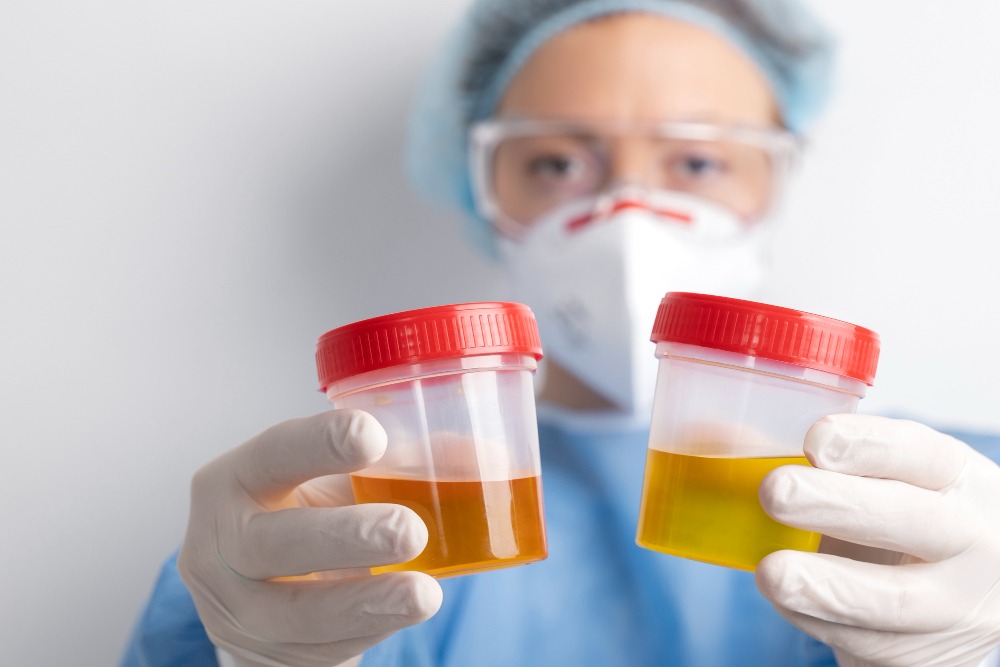
Dark yellow urine | Concentrated waste |
Fatigue | Reduced blood volume |
Brain sensitive to fluid loss | |
Dizziness | Blood pressure changes |
Muscle cramps | Electrolyte imbalance |
If you notice these signs, your body is already asking for water.
Who Is at Higher Risk for Dehydration?
Certain people need to be more careful:
Older adults
Children
People with diabetes
Individuals with high blood pressure
Patients on diuretics
Outdoor workers
Athletes
Anyone with vomiting or diarrhea
If you live in Texas heat, your risk increases significantly.
How Much Water Do You Actually Need?
The common rule is:
8 glasses per day
But that’s not exact for everyone.
Better Formula:
Men: ~3.7 liters (125 oz) per day
Women: ~2.7 liters (91 oz) per day
This includes water from:
Drinking fluids
Fruits
You need MORE water if you:
What About Electrolytes?
Water is important — but so are electrolytes like:
Sodium
Potassium
Magnesium
If you sweat heavily, plain water alone may not be enough.
Signs of electrolyte imbalance:
Muscle cramps
Weakness
Confusion
Irregular heartbeat
Sports drinks may help in certain cases — but be careful of high sugar content.
Dehydration in Texas Summers
In North Texas, temperatures can rise quickly.
Heat exhaustion symptoms include:
Heavy sweating
Nausea
Cool, clammy skin
This can quickly progress to heat stroke, which is a medical emergency.
Heat stroke symptoms:
Body temperature above 103°F
No sweating
Confusion
Rapid heartbeat
If you see these symptoms — seek immediate medical care.
When Should You See a Doctor?
Mild dehydration can often be treated at home.
But seek medical care if you have:
Persistent vomiting
Severe diarrhea
Confusion
Rapid heart rate
No urination for 8+ hours
Very low blood pressure
Signs of kidney problems
At Passion Health Primary Care, we evaluate dehydration through:
Vital signs
Blood pressure checks
Kidney function labs
Electrolyte testing
Early evaluation prevents complications.
Best Foods for Hydration
Hydration isn’t just about drinking water.
These foods help:
Food | Water Content |
Watermelon | 92% |
Cucumber | 95% |
Strawberries | 91% |
Oranges | 86% |
Lettuce | 96% |
Including hydrating foods helps maintain balance.
Can You Drink Too Much Water?
Yes — though rare.
Overhydration can dilute sodium levels and cause:
Headache
Nausea
Confusion
Seizures (severe cases)
Balance is key.
Hydration & Chronic Conditions
If you have:
Kidney disease
High blood pressure
Hydration becomes even more important.
Proper fluid balance helps regulate:
Blood sugar
Blood pressure
Kidney filtration
Circulation
Routine primary care visits help monitor these risks.
Simple Daily Hydration Tips
Start your morning with water
Carry a refillable bottle
Drink before you feel thirsty
Increase intake during heat
Add lemon or fruit for flavor
Monitor urine color (light yellow = healthy)
Stay Healthy With Preventive Care
Hydration plays a key role in overall health, energy, and long-term wellness.
If you’re experiencing frequent fatigue, dizziness, blood pressure issues, or kidney concerns, it may be time for a check-up.
Passion Health Primary Care offers comprehensive preventive care, chronic disease management, and same-day appointments across our Texas locations.
Proper hydration is simple — but ignoring it can lead to serious problems.
Final Thought
Water is one of the easiest and most powerful tools for protecting your health.
Stay aware. Stay hydrated. Stay healthy.
Book Your Free Screening Or Book Your Appointment Today