COVID-19 Variants: Symptoms You Should Know
Key takeaways
- A newer variant may present without fever or cough, so unusual throat pain or stomach symptoms deserve attention.
- A negative home test does not rule out infection if symptoms persist, so a clinician can evaluate you.
- Antiviral treatment works best when started early, especially for higher-risk patients.
- Staying current with COVID-19 vaccines and boosters can help lower risk, especially if you have gone six months without one.
- Seek prompt care for trouble breathing, signs of dehydration, or symptoms that keep getting worse.
On this page
- COVID-19 Variants: Symptoms You Should Know
- What Are Newer COVID-19 Variants?
- Early Signs or Symptoms (Don’t Ignore These)
- Causes & Risk Factors: Why Is It Spreading So Fast?
- Doctor’s Insight: Why This Condition Is Often Misdiagnosed
- Why This Condition Is Dangerous
- When to See a Doctor
- Diagnosis: How Passion Health Physicians Identify COVID-19
- Treatment Options
- Prevention Tips
- What This Means for You
- Frequently Asked Questions
- What to Do If Symptoms Start
You wake up with a throat that feels like sandpaper. You chalk it up to allergies—it’s that time of year. But by evening, your body aches, you’re soaked in sweat, and you can barely keep your eyes open.
Sound familiar?
Newer variants can be mistaken for a cold or a stomach bug. By the time they realize it’s something more, they’ve already spread it to coworkers, kids, and loved ones.
At Passion Health Primary Care, we’re already seeing the surge. don’t have to wonder whether your symptoms are serious. We’re here to help you stay ahead of this virus.
What Are Newer COVID-19 Variants?
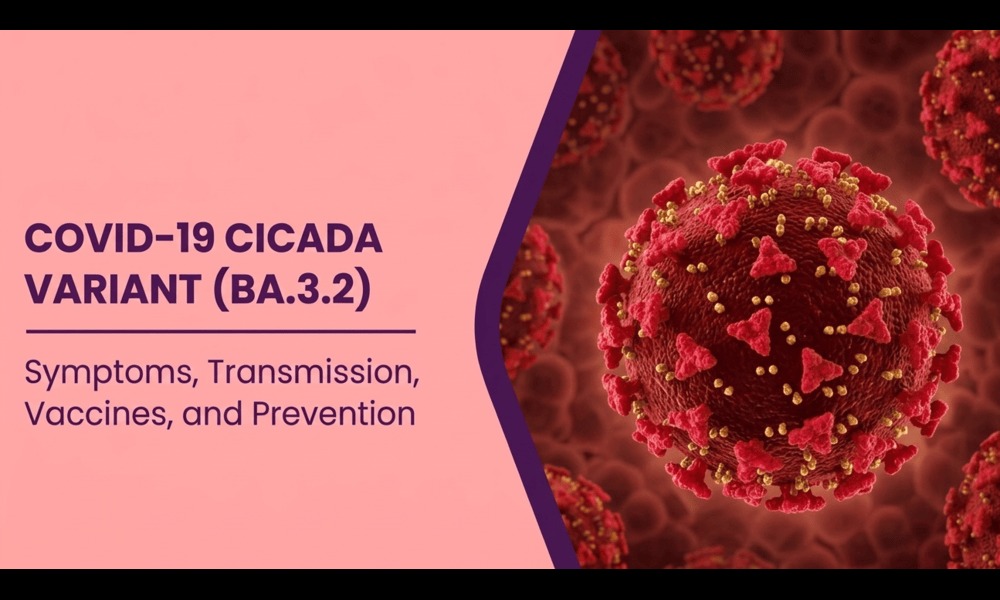
Let’s cut through the confusion. Newer Omicron-lineage variants can behave differently from earlier versions of the virus.
Some newer variants can slip past part of the immunity people built from past infections or earlier vaccines. That doesn’t mean vaccines are useless—they still help prevent severe illness—but it does mean more people are getting infected, sometimes more than once.
The virus has changed. The way we respond to it needs to change, too. That starts with recognizing the symptoms early, before the virus takes a serious toll on your body.
Early Signs or Symptoms (Don’t Ignore These)
This variant doesn’t always announce itself with a fever or a cough. In fact, many people who test positive are surprised because they expected the classic COVID symptoms.
Watch for these warning signs, especially if they appear suddenly:
A “different” sore throat – Not a mild tickle, but a raw, painful throat that gets worse when you swallow.
Night sweats so heavy you soak through your clothes – Even if your temperature is normal during the day.
Sudden, extreme fatigue – Feeling like you were “hit by a truck” after doing nothing strenuous.
Upset stomach, nausea, or diarrhea – Many people mistake this for food poisoning.
Red, irritated eyes – Conjunctivitis-like symptoms that don’t improve with allergy drops.
Brain fog or confusion – Trouble focusing, feeling “out of it” even when you’re awake.
If you have one or more of these symptoms, do not assume it’s just allergies or a mild bug. This variant moves fast, and the sooner you know what you’re dealing with, the more options you may have.
Causes & Risk Factors: Why Is It Spreading So Fast?
Newer variants spread primarily through respiratory droplets and aerosols—basically, when an infected person breathes, talks, or coughs near others. Transmissibility can be high, so even brief, casual contact may lead to infection.
You’re at higher risk if:
You haven’t had a COVID vaccine or booster in the last six months.
You’ve been in crowded indoor settings without good ventilation.
You have underlying conditions like diabetes, heart disease, asthma, or a weakened immune system.
You’re over 65.
But here’s the reality: even healthy, younger adults can become sick with newer variants. The difference is often how their body handles it—and whether they get treatment early enough to prevent complications.
Doctor’s Insight: Why This Condition Is Often Misdiagnosed
One of the biggest challenges is that newer variants can resemble seasonal allergies or a stomach bug.
Because the traditional “hallmark” symptoms of COVID-19 are less prominent with this variant, people are going about their daily lives, going to work, and attending social events while potentially contagious in the first few days after symptoms begin.
Furthermore, the presence of gastrointestinal symptoms often leads patients to assume they have food poisoning. If you are experiencing a “stomach bug” along with a scratchy throat or unusual fatigue, it may be a respiratory infection such as COVID-19 rather than food poisoning, so testing is worth considering.
Why This Condition Is Dangerous
Some people still believe COVID is “just a cold.” With this variant, that mindset is risky.
COVID-19 can cause severe dehydration from night sweats and diarrhea. It can lead to secondary infections like pneumonia or sinusitis. And for people with underlying conditions, it can trigger dangerous inflammation in the heart or lungs.
Long COVID can follow infection with this variant. People who have it may not fully recover their energy, breathing, or mental clarity for weeks or months after the initial infection.
The danger isn’t just the acute illness. It’s what happens if you ignore your body’s signals and let the virus run unchecked.
That’s why at Passion Health, we tell our patients: don’t wait until you’re miserable. The sooner we see you, the more options we have to help you recover fully.
When to See a Doctor
Do you have any of the early symptoms – even if your home test is negative?
You’ve been exposed to someone with confirmed COVID, and you feel “off.”
Your fever lasts more than three days.
You feel chest tightness, palpitations, or shortness of breath.
You’re at high risk and should develop any symptom, no matter how mild.
Why does timing matter? Treatments like antiviral medication work best when started within the first five days of symptoms. Every day you wait, your window for the best window for care closes a little more.
Diagnosis: How Passion Health Physicians Identify COVID-19
At Passion Health Primary Care, we take a thorough, patient-first approach to diagnosis. We don’t just hand you a swab and send you on your way.
When you come in, we’ll:
Listen carefully to your symptoms and timeline.
Check your oxygen levels and vital signs.
Use PCR testing—the most accurate method—to confirm whether you have COVID-19 or another illness.
We know how stressful it can be to wait for answers. Our goal is to give you a fast, reliable diagnosis so you can start feeling better as soon as possible.
Treatment Options
Once we confirm a COVID-19 diagnosis, our treatment plan at Passion Health is rooted in evidence-based medicine.
Antiviral Medications: For high-risk patients, Paxlovid (nirmatrelvir/ritonavir) may be an option for some higher-risk patients, and clinicians decide when it is appropriate. It works by inhibiting the virus’s ability to replicate. We have streamlined our process to prescribe this quickly when indicated.
Symptom Management: We guide patients on the safe use of over-the-counter medications. For a sore throat associated with COVID-19, we often recommend a combination of ibuprofen (for inflammation) and acetaminophen (for pain), ensuring there is no overlap with other medications.
Monitoring: We provide patients with a pulse oximeter if needed and instruct them on how to monitor for “silent hypoxia.”
Hydration Protocols: For those experiencing gastrointestinal issues, we sometimes prescribe anti-nausea medications or administer IV fluids in the clinic to prevent dehydration.
Prevention Tips
Preventing the spread of COVID-19 requires a return to the basics, but with a focus on high-quality interventions.
Upgrade Your Mask: If you are in a crowded indoor space, a well-fitted N95 or KN95 mask can offer stronger protection in crowded indoor spaces. Cloth masks are less effective against small aerosol particles.
Ventilation: Open windows. If you are hosting gatherings, increasing airflow can reduce the concentration of viral particles in the air.
Stay Home If Symptomatic: I know this is difficult with work and family obligations, but if you have that “scratchy throat,” assume it is COVID until proven otherwise. Telehealth visits are a great option to get seen without exposing others in the waiting room.
Vaccination Status: While the current vaccines may not fully prevent infection from newer variants due to immune-evasive properties, they can still help prevent severe disease, hospitalization, and death. If you are due for a booster, do not delay.
What This Means for You
Here’s the bottom line: COVID-19 symptoms don’t always match what people expect. But you don’t have to live in fear, and you don’t have to guess.
Passion Health is your partner in staying healthy.
If you’re feeling unwell—or if you’ve been exposed and want peace of mind—reach out. We’ll help you get tested, get treated, and get back to your life.
Need care for this?
A Passion Health clinician can see you in person or online.

In person
Request an in-person visit at any Passion Health location to review your cholesterol numbers and heart risk.
Choose your clinic and clinician across North Texas
Book an appointment in person at Passion Health clinics
Online
Answer a few questions online to find the right next step, whether that is a visit, lab work, or a referral. For non-emergency questions, you can get care online through Passion Health Online Care.
Adults 18 and older in Texas · Texas-licensed clinicians
Get the right care in a few steps
Blood work
Your clinician can order a lipid panel and any other labs recommended for you during your visit.
Essential Blood Work · $59
Get Passion Health Blood WorkFrequently Asked Questions
Are newer COVID-19 variants more dangerous than earlier ones?
It spreads more easily and can cause severe symptoms, especially in people with underlying conditions. However, with early testing and treatment, many people recover fully.
Can I test positive with a home test?
Yes, but home tests may not detect it until viral levels are high. If you have symptoms but test negative, come see us for a PCR test, which is more accurate.
Does the vaccine protect against newer variants?
Vaccines still help prevent severe illness, hospitalization, and death. But protection can wane over time, which is why boosters are important.
How long is someone contagious with COVID-19?
Most people are most contagious in the 1–2 days before symptoms start and the first few days after. You should isolate until you’ve been fever-free for 24 hours without medication and your symptoms are improving.
What should I do if I was exposed but have no symptoms?
Monitor yourself closely. If you develop any symptoms—even mild ones—come in for testing. Early treatment works best.
What to Do If Symptoms Start
COVID-19 can spread quickly, but you don’t have to face it alone. Whether you’re dealing with that lingering sore throat, night sweats, or just a gut feeling that something isn’t right, Passion Health Primary Care is here to help.