.
Cancer Causes, Types and Treatment You Must Know to Act Early
Review By Passion Health Physician
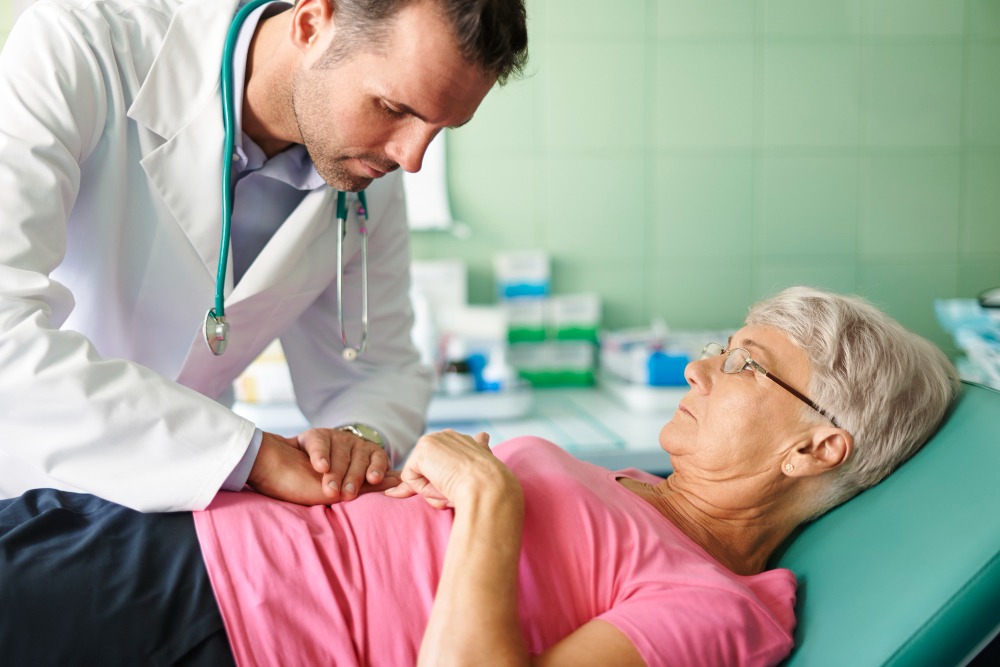
That constant fatigue does not go away. The unexplained weight loss concerns you. Or you notice a lump that was not there before. These signs may seem small, but they should never be ignored.
From a primary care perspective, these early changes often provide the first clues of serious conditions, including cancer. Many patients delay evaluation because their symptoms feel mild or uncertain. However, early-stage cancer rarely causes severe pain, which makes it easy to overlook.
What matters is timing. The earlier these symptoms are assessed, the better the chances of detecting cancer at a stage where treatment is more effective and less complex.
If you are experiencing any unusual symptoms, schedule a consultation with Passion Health Primary Care today for early evaluation and screening.
This article explains the early cancer symptoms you should never ignore, how primary care supports early detection, and why timely medical attention can make a critical difference in outcomes.
What Is Cancer?
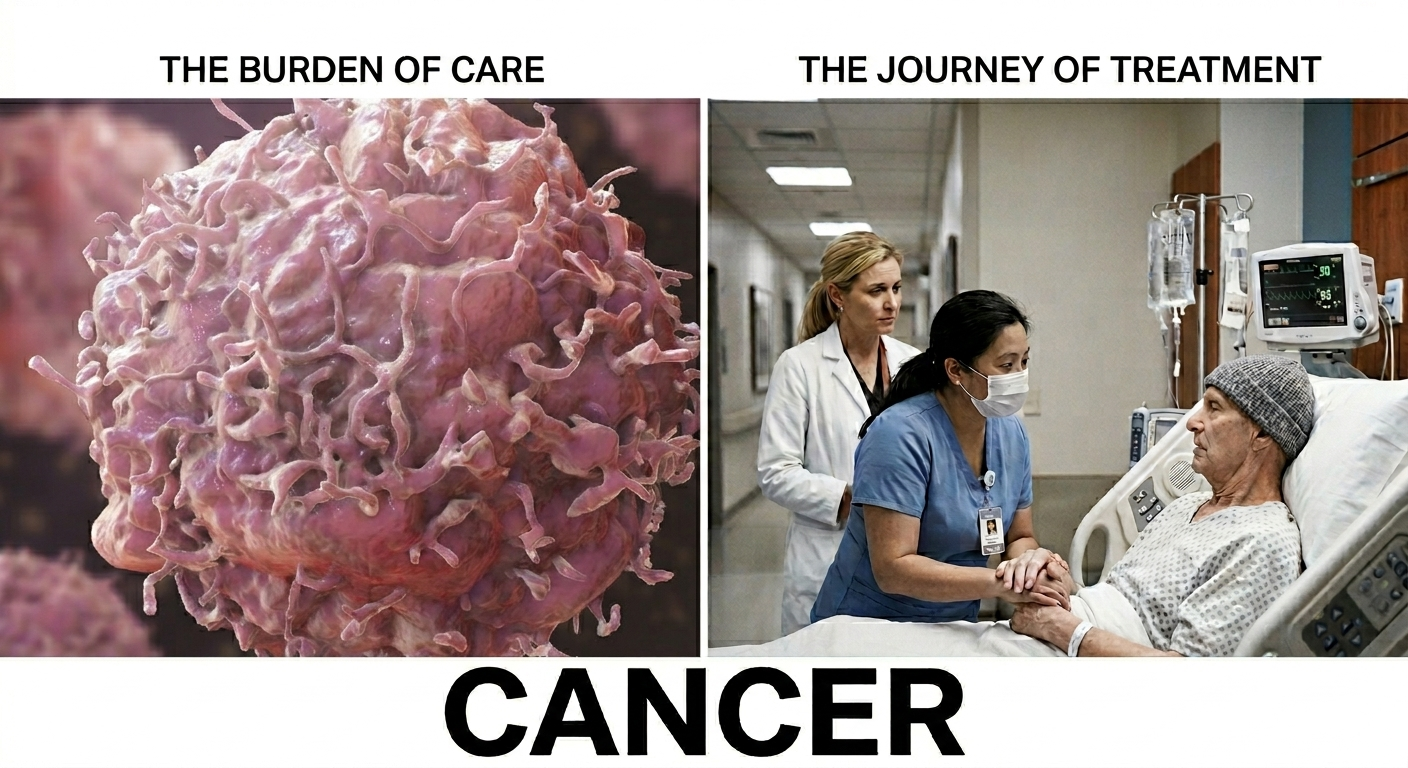
Cancer refers to a group of diseases where normal cells change into abnormal cells that grow uncontrollably and spread to other parts of the body.
Under normal conditions, genes guide cells on when to grow, divide, and stop. In cancer, these signals break down, causing cells to ignore control mechanisms and multiply without limits.
Cancer remains one of the leading causes of death in the United States. However, survival rates have improved over the past two decades.
Advances in early detection and modern treatment approaches now help identify cancer sooner and manage it more effectively, allowing many people to live longer and healthier lives.
The Three Main Types of Cancer You Must Know
Healthcare providers group cancers into three broad categories:
Solid cancers make up 80% to 90% of all cases. These include carcinomas that form in epithelial tissue like your skin, breast, colon, and lungs. Sarcomas form in bone and connective tissues.
Blood cancers start in your blood cells or lymphatic system. Leukemia, lymphoma, and multiple myeloma fall into this category.
Mixed cancers involve two classifications or subtypes, such as carcinosarcoma.
Understanding these types matters because different cancers require different treatment approaches. Your primary care doctor helps identify which category your symptoms suggest and guides you to the right specialist.
Recognizing Cancer Symptoms
Cancer symptoms can vary widely depending on the type and stage of the disease. Some early
warning signs may seem ordinary, but persistent changes in your body should prompt a medical check-up.
Common symptoms include:
Unexplained fatigue or weakness. Feeling very tired for no clear reason can be an early warning sign of many cancers.
Persistent pain or lumps. Pain that doesn’t go away, or a new lump under the skin (for example, in the breast, testicle, or under the arm), should be evaluated.
Unexplained weight loss. Losing 10 pounds or more without dieting or exercise changes can be a red flag, especially in stomach, pancreas, or lung cancers.
Skin changes. Yellowing or darkening of the skin, a sore that won’t heal, or a mole that changes shape, size, or color may indicate skin or other cancers.
Changes in bladder or bowel habits. Blood in urine or stool, or persistent changes in elimination (diarrhea, constipation), can signal cancers of the bladder, colon, or other organs.
Persistent cough or hoarseness. A cough that doesn’t go away, especially with blood, or trouble breathing or swallowing, may indicate lung, throat, or esophageal cancers.
Unusual bleeding or bruising. Coughing up blood, bleeding from the rectum, or unusual bleeding(for example, between periods) can be a symptom of various cancers.
Unexplained fever or night sweats. Fevers or sweats at night that have no infection cause may be linked to blood cancers like lymphoma or leukemia
Why Early Cancer Detection Through Primary Care Changes Everything
Here is the most powerful weapon in your cancer-fighting arsenal: time.
When doctors catch cancer early, survival rates skyrocket. For breast cancer detected at stage 1, the five-year survival rate exceeds 90 percent.
At stage 4, that number plummets to around 30 percent. For colorectal cancer, screenings reduce mortality by up to 68 percent, especially when doctors find and remove polyps early.
Cervical cancer deaths have decreased by more than 50 percent in countries with organized Pap test programs and HPV vaccination.
Lung cancer screenings using low-dose CT scans reduce deaths by 20 percent among high-risk individuals.
What Causes Cancer?
Key factors that increase cancer risk include:
Age. Cancer risk grows with age, partly because there is more time for mutations to accumulate. Most diagnoses occur after age 60, though cancer can happen at any age.
Genetics and Family History. Having close relatives with certain cancers can raise your risk. Still, only a small percentage of cancers are directly inherited. Even if a genetic mutation is passed down, lifestyle and environment often play a big role in whether cancer develops.
Tobacco Use. Smoking cigarettes or using smokeless tobacco products is the single largest preventable cause of cancer. It’s linked to lung, mouth, throat, esophageal, pancreatic, bladder, and many other cancers. Avoiding all tobacco drastically lowers cancer risk.
Poor Diet & Obesity. Diets high in processed meats, fats, and sugar, and low in fruits and vegetables, can contribute to cancer. Excess body fat raises the risk of breast, colon, endometrial, kidney, and several other cancers. Maintaining a healthy weight through diet and exercise is a strong
preventive step.
Alcohol Consumption. Drinking alcohol is linked to cancers of the mouth, throat, esophagus, liver, colon, and breast. The risk rises with the amount of alcohol consumed. Limiting or avoiding Alcohol can lower this risk.
Environmental Exposures. Certain chemicals and pollutants raise cancer risk. Examples include asbestos (linked to mesothelioma and lung cancer), benzene, industrial chemicals, and radon gas in homes. Long-term exposure to air pollution also increases lung cancer risk.
Ultraviolet (UV) Radiation. Sunlight and tanning beds emit UV rays that damage skin cell DNA. Too much sun exposure (especially with sunburns) greatly increases the risk of skin cancers, including
melanoma. Sunscreen and protective clothing help prevent this risk.
Infections and Other Factors. Certain viruses and bacteria can raise cancer risk. For example, human papillomavirus (HPV) causes cervical and other cancers, and hepatitis B/C viruses can lead to liver cancer. Vaccines and safe practices (like safe sex) can help lower these infection risks.
Common Cancer Treatment Options Explained
When you begin your recovery journey, your medical team will likely combine several methods. Most people do not rely on just one therapy.
1. Surgical Intervention
Surgery is often the first line of defense when a tumor is localized and has not spread. A surgeon physically removes the cancerous mass from your body to prevent further growth. This is the most effective way to eliminate solid tumors in the early stages.
2. Chemotherapy
This treatment uses powerful drugs to kill fast-growing cells throughout your body. You might take these drugs as pills or receive them intravenously. Chemotherapy is a systemic treatment, meaning it travels through your bloodstream to reach cancer cells that may have migrated away from the original tumor.
3. Radiation Therapy
By using high doses of radiation, doctors can kill cancer cells or shrink tumors before surgery. This method damages the DNA of the abnormal cells so they can no longer multiply. It is often used in combination with other understanding cancer treatment options to ensure no microscopic cells remain.
Early detection saves lives. Ensure your health is on track by booking an appointment at Passion Health Primary Care now.
Innovative Cancer Treatment Options You Should Know
The field of oncology has advanced rapidly, offering more targeted ways to fight the disease with fewer side effects.
Immunotherapy: This approach engages your own immune system to recognize and attack cancer cells. It helps your body’s natural defenses do the work they were designed to do.
Targeted Therapy: Instead of affecting all fast-growing cells, this treatment focuses on the specific genetic mutations that allow cancer to grow. It acts like a “smart bomb” for your specific type of cancer.
Hormone Therapy: Some cancers, specifically breast and prostate cancers, use hormones to grow. This therapy blocks those hormones to slow or stop the disease’s progression.
Bone Marrow Transplants: For those with blood cancers, this procedure replaces damaged stem cells with healthy ones to restore blood production.
Managing Side Effects of Cancer Treatment Options
It is important to be realistic about the challenges of recovery.
Treatments can cause nausea, hair loss, and extreme fatigue. Cancer can also steal nutrients from your body, leading to difficult-to-treat weight loss.
Your healthcare provider can offer medications to manage these symptoms and keep you comfortable.
Self-care is a vital part of the process. Many patients find relief through support groups, mindfulness, and proper rest.
Always communicate openly with your oncologist about any new symptoms or emotional struggles you face.
Lifestyle Changes That Drastically Reduce Your Risk
Avoid tobacco completely. This remains the single most important step to reduce cancer risk.
Maintain a healthy weight. Obesity increases the risk for breast, pancreatic, liver, colon, and kidney cancers.
Stay physically active. Adults should incorporate at least 150 minutes of moderate-intensity aerobic activity weekly.
Eat a balanced diet. Limit processed foods and processed meats. Increase whole grains, fruits, and vegetables.
Limit alcohol consumption. Reducing alcohol intake lowers risk of head, neck, liver, and esophageal cancer.
Get vaccinated. Preventable infections like hepatitis B, hepatitis C, and HPV contribute to cancer risk.
Taking Control of Your Health Journey
A cancer diagnosis is a life-changing event that requires immediate action and reliable information.
By understanding cancer Causes and treatment options, you empower yourself to make the best decisions for your survival. Remission is possible, and many people live long, fulfilling lives after their diagnosis.
Your health cannot wait. Protect your future and gain peace of mind by scheduling an appointment with your Passion Health Primary Care booking today.