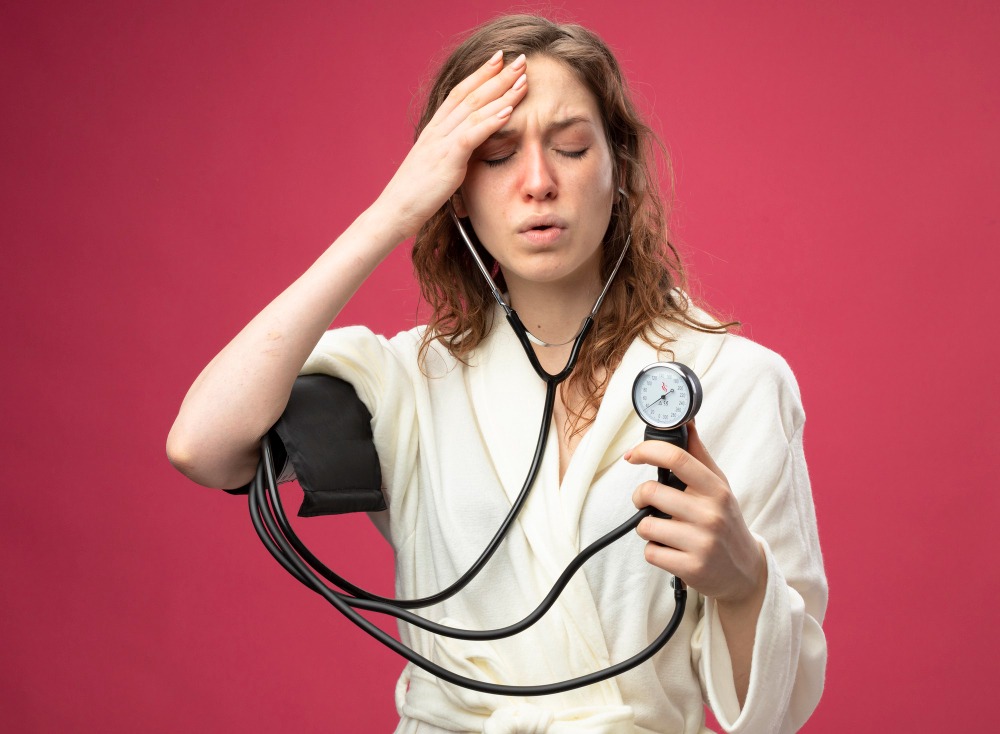
Stress Management Techniques for High Blood Pressure: Stop the Silent Damage Before It Starts
Feeling Stressed Right Now? Your Blood Pressure Might Be Rising
You might not feel it.
No warning signs. No pain.
But every time you feel overwhelmed, anxious, or mentally exhausted… your blood pressure could be silently increasing.
That’s why high blood pressure is called the silent killer.
Now here’s the real problem
Most people focus on diet and medication… but completely ignore stress — one of the biggest hidden triggers. The good news? You can start controlling it today.
Introduction
High blood pressure, also known as hypertension, affects millions of people worldwide and is one of the leading risk factors for heart disease and stroke. What many people do not realize is that stress plays a significant role in raising blood pressure levels. When stress becomes a regular part of daily life, it can silently affect both your mental well-being and your heart health.
According to passion health physician experts, stressful situations trigger the body’s natural “fight or flight” response. During this response, the body releases hormones that cause the heart to beat faster and blood vessels to narrow, temporarily increasing blood pressure. While occasional stress is normal, chronic stress can contribute to long-term health problems if it is not managed properly.
Understanding the Link Between Stress and High Blood Pressure
Stress may not directly cause long-term high blood pressure, but it often triggers habits that increase the risk. When stress becomes constant, people tend to rely on unhealthy coping mechanisms like overeating, smoking, alcohol use, or skipping physical activity.
Over time, these behaviors can strain the heart, lead to weight gain, and raise blood pressure levels. In addition, repeated stress responses cause temporary spikes in blood pressure that may gradually damage blood vessels.
Why Stress Management Is Important for Heart Health
Learning to manage stress is an important part of maintaining overall cardiovascular health. When stress levels are reduced, the body can function more efficiently and maintain stable blood pressure levels.
Effective stress management can help:
Improve emotional well-being
Support healthy sleep pattern
Reduce unhealthy habits
Lower the risk of heart disease
Improve long-term blood pressure control
These benefits highlight why stress management should be considered an essential part of hypertension prevention and treatment.
10 Powerful Stress Management Techniques for High Blood Pressure
(These are practical, doctor-recommended, and easy to follow)
1. The 60-Second Breathing Reset (Instant Relief)
Stop scrolling. Try this NOW:
Inhale slowly (4 seconds)
Hold (4 seconds)
Exhale slowly (6 seconds)
Do this for just 1 minute.
You’ll feel calmer immediately because your nervous system slows down.
2. Move Your Body (Even If You Hate Exercise)
You don’t need a gym.
Just:
20–30 minutes walking
Light stretching
Cycling
Movement reduces stress hormones and naturally lowers blood pressure.
3. Train Your Mind (Not Just Your Body)
Stress starts in your mind — so control it there.
Try:
Meditation (10 minutes daily)
Mindfulness app
Quiet breathing time
This is one of the most powerful long-term solutions.
4. Fix Your Sleep = Fix Your Blood Pressure
Here’s a fact most people ignore:
Poor sleep = higher stress = higher BP
Aim for:
7–8 hours sleep
Fixed sleep schedule
No phone 30 mins before bed
5. Eat to Calm Your Body
Your diet affects your stress more than you think.
Avoid:
Excess salt
Processed foods
Too much caffeine
Add:
Fruits & vegetables
Whole grains
Water
6. Take a Break From Screens
Constant notifications = constant stress.
Try a “digital detox”:
No phone during meals
1 hour screen-free daily
7. Talk It Out (Don’t Bottle It Up)
Stress grows when ignored.
Talk to family
Share with friends
Seek support
Emotional release reduces internal pressure — literally.
8. Control What You Can (Let Go of the Rest)
Not everything is in your control.
Focus on:
Your habits
Your reactions
Your routine
9. Do Something That Relaxes You
Music. Reading. Walking. Gardening.
Even 15 minutes daily can reset your stress levels.
10. Get Expert Help (Most Important Step)
Here’s the truth:
If stress is constant, lifestyle changes alone may not be enough.
You need:
Medical evaluation
Stress management plan
Blood pressure monitoring
When to Seek Medical Help
While lifestyle changes can greatly improve stress management, some individuals may still experience persistent high blood pressure or chronic stress symptoms.
It is important to consult a healthcare professional if you experience:
Frequent high blood pressure readings
Severe or ongoing stress
Difficulty managing lifestyle changes
Symptoms such as chest discomfort or persistent headaches
Early medical evaluation can help identify potential health risks and provide effective treatment strategies.
Expert Guidance from Passion Health Physicians
At Passion Health Physicians, we understand that managing high blood pressure requires more than just medication. A comprehensive approach that includes stress management, lifestyle improvement, and personalized medical care is essential for long-term health.
Our team focuses on helping patients understand the connection between mental well-being and heart health. By addressing the root causes of stress, we aim to help individuals develop sustainable habits that support healthier blood pressure levels.
Schedule an appointment today and take the first step toward a healthier, more balanced life.
Take the First Step Toward Better Heart Health
Managing stress is one of the most important steps you can take to protect your heart and improve your overall well-being. Small changes in daily habits can make a significant difference in maintaining healthy blood pressure levels over time.
If you are struggling with stress or high blood pressure, professional guidance can help you find the right treatment approach.
Passion Health Physicians is committed to helping patients achieve long-term health through personalized care and expert medical guidance.
Frequently Asked Questions
1. Can stress directly cause high blood pressure?
Stress does not always cause long-term high blood pressure, but it can lead to temporary spikes. Over time, repeated stress and unhealthy coping habits may increase the risk of hypertension.
2. What is the fastest way to reduce stress and lower blood pressure?
Deep breathing, short walks, and relaxation techniques can quickly reduce stress levels. Practicing slow breathing for a few minutes can help calm the body and temporarily lower blood pressure.
3. How does stress affect heart health?
Stress triggers hormones that increase heart rate and constrict blood vessels. Over time, this can strain the heart and contribute to cardiovascular problems.
4. Can managing stress improve blood pressure levels?
Yes, managing stress can help improve overall lifestyle habits such as sleep, diet, and physical activity, which play a key role in controlling blood pressure.
5. When should I see a doctor for stress and high blood pressure?
You should consult a doctor if your blood pressure remains high, stress becomes overwhelming, or you experience symptoms like headaches, chest discomfort, or fatigue.