
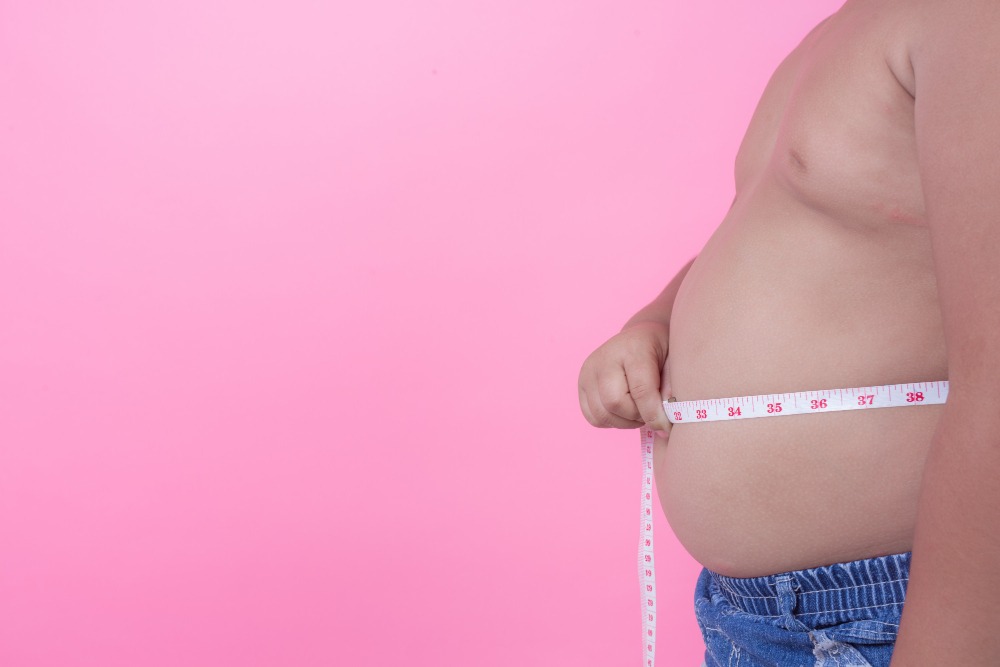
Childhood Obesity: Causes, Warning Signs, Risks, and Prevention Tips for Parents
Childhood obesity has become one of the most serious health challenges affecting children today. It occurs when a child carries excess body fat that may negatively affect their health and well-being. Beyond physical health concerns, childhood obesity can also impact emotional and social development.
Children who struggle with obesity are more likely to develop long-term health conditions such as diabetes, high blood pressure, and heart disease later in life. Additionally, they may face challenges like low self-confidence, social isolation, or depression.
The good news is that childhood obesity can often be prevented and managed with the right support, healthy habits, and professional medical guidance. Parents, caregivers, and healthcare providers all play a vital role in helping children maintain a healthy lifestyle. At Passion Health Physicians, our experienced medical team also works closely with families to guide children toward healthier habits through personalized care, nutrition guidance, and regular health monitoring.
Understanding Childhood Obesity
Childhood obesity does not always look the same in every child. Some children naturally have larger body frames, and body fat distribution can change as children grow and develop.
Because appearance alone cannot determine whether a child is overweight, healthcare professionals often use a measurement called Body Mass Index (BMI). BMI compares a child’s weight and height with other children of the same age and gender using growth charts.
Doctors also evaluate additional factors, including:
Growth patterns
Eating habits
Physical activity levels
Sleep patterns
Stress levels
Family health history
These factors help determine whether a child’s weight may affect their health.
Signs and Symptoms Parents Should Watch For
Childhood obesity may not always show obvious symptoms. However, certain signs may indicate that a child’s weight could be affecting their health.
Parents should speak with a healthcare professional if their child experiences:
Frequent or persistent headaches
Excessive thirst or frequent urination
Interrupted breathing during sleep
Slower growth compared to other children of the same age
Early medical evaluation helps prevent complications and ensures children receive proper guidance for healthy growth.
What Causes Childhood Obesity?
Childhood obesity is usually the result of multiple factors rather than a single cause. These factors can be related to lifestyle, environment, genetics, or health conditions.
1. Unhealthy Eating Habits
Diets high in sugar, saturated fat, and processed foods can lead to weight gain in children. Common contributors include:
Fast food meals
Sugary beverages like soda and sports drinks
Candy and desserts
Processed snacks and baked goods
These foods often contain high calories but little nutritional value.
2. Lack of Physical Activity
Children who spend long hours sitting—watching television, playing video games, or using mobile devices—may burn fewer calories.
Health experts recommend that children get at least 60 minutes of physical activity every day. Active play, sports, biking, and outdoor games are excellent ways to keep kids moving.
3. Stress and Emotional Factors
Emotional stress can affect eating behaviors. Some children respond to stress by eating more comfort foods that are high in sugar and fat.
Hormones released during stress, such as cortisol, may increase hunger and cravings for unhealthy foods.
4. Certain Medications
Some prescription medications can lead to weight gain as a side effect. These include medications used to treat:
Mood disorders
Seizures
High blood pressure
Hormonal conditions
A healthcare provider can evaluate whether medication is contributing to weight gain.
5. Genetics and Family History
Children with a family history of obesity may have a higher risk due to genetic factors. However, lifestyle habits still play a major role in determining overall health.
6. Social and Environmental Factors
In some communities, access to fresh fruits, vegetables, and healthy foods may be limited. Convenience foods and processed meals may become the primary food choices.
Limited access to safe outdoor spaces can also reduce opportunities for physical activity.
Health Risks of Childhood Obesity
If not addressed early, childhood obesity can lead to several serious health conditions.
Type 2 Diabetes
Excess weight can affect how the body processes sugar, increasing the risk of developing type 2 diabetes.
High Cholesterol and High Blood Pressure
Poor diet and obesity may contribute to the buildup of plaque in arteries, increasing the risk of heart disease later in life.
Joint Pain
Carrying extra weight places stress on joints, particularly the knees, hips, and back.
Breathing Problems
Children with obesity may experience asthma or sleep apnea, a condition where breathing repeatedly stops and starts during sleep.
Fatty Liver Disease
Excess fat accumulation in the liver can lead to liver inflammation and long-term liver damage.
Emotional and Social Impact
The effects of childhood obesity are not only physical. Children may experience:
Bullying or teasing
Low self-confidence
Anxiety or depression
Unhealthy relationships with food
Support from parents, teachers, and healthcare providers is essential to help children build a positive self-image.
Practical Tips to Prevent Childhood Obesity
Preventing childhood obesity starts with building healthy habits at home.
Make Healthy Eating a Family Habit
Serve balanced meals that include:
Half the plate filled with fruits and vegetables
One quarter whole grains such as brown rice or whole-wheat pasta
One quarter lean protein such as chicken, fish, beans, or lentils
Healthy snacks like yogurt, nuts, fruits, and whole-grain crackers are great alternatives to processed foods.
Encourage Daily Physical Activity
Children should aim for at least 60 minutes of exercise daily. Activities can include:
Outdoor play
Sports
Dancing
Cycling
Family walks
Making physical activity fun helps children stay active naturally.
Limit Screen Time
Excess screen time contributes to sedentary habits.
Experts recommend:
Limiting recreational screen time to 2 hours per day for children over age 2
Avoiding screens entirely for children under 2
Promote Healthy Sleep Habits
Sleep plays a critical role in maintaining a healthy weight.
Recommended sleep duration:
Ages 6–12: 9–12 hours per night
Ages 13–18: 8–10 hours per night
Consistent sleep schedules support overall health
Use Non-Food Rewards
Instead of offering sweets for good behavior, try rewarding children with fun activities such as:
A trip to the park
Family game night
Outdoor adventures
How Passion Health Physicians Help Children Stay Healthy
At Passion Health Physicians, our experienced healthcare team is dedicated to supporting families in preventing and managing childhood obesity.
Our comprehensive pediatric care includes:
Growth and BMI monitoring
Nutrition counseling for families
Personalized lifestyle guidance
Early screening for obesity-related health risks
Behavioral and emotional support
We believe that healthy habits start early, and our experts work closely with parents to create realistic and sustainable health plans for children.
When to Seek Professional Help
If you are concerned about your child’s weight, growth, or lifestyle habits, speaking with a healthcare professional can make a big difference.
Early intervention helps prevent long-term health complications and ensures your child receives the support needed for healthy development.
Book an Appointment with Passion Health Physicians
Your child’s health and future matter. If you’re worried about childhood obesity or want expert guidance on building healthy habits for your family, our compassionate medical team is here to help.
Schedule your appointment with Passion Health Physicians today and take the first step toward a healthier future for your child.