Key Takeaways
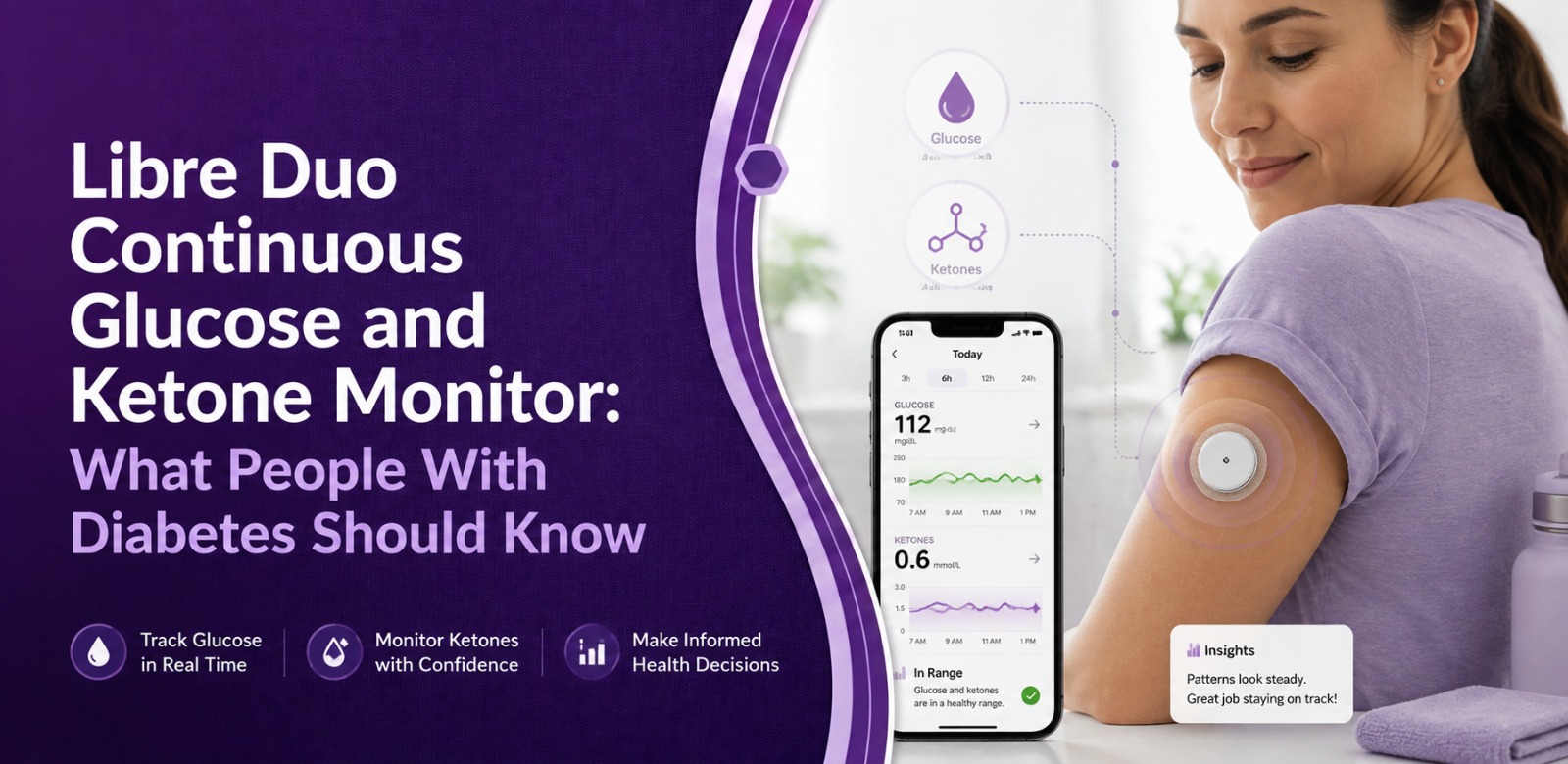
- Libre Duo tracks glucose and ketone trends through one wearable sensor.
- The sensor provides up to 10 days of continuous monitoring.
- Rising ketones may signal an increased risk of diabetic ketoacidosis.
- Ketones can rise even when glucose levels do not appear extremely high.
- Alerts may help users recognize concerning ketone changes earlier.
- Libre Duo supports monitoring but does not diagnose or prevent DKA.
Diabetes technology keeps changing, and a new wearable now brings glucose and ketone tracking together. On August 25, 2026, the U.S. Food and Drug Administration authorized Abbott’s Libre Duo 10-day system for people with diabetes ages 2 and older.
The Libre Duo continuous glucose and ketone monitor may give patients a clearer view of glucose changes while also watching for rising ketones. High ketones can signal a risk for diabetic ketoacidosis, or DKA, which needs urgent medical attention.
What Is the Libre Duo Continuous Glucose and Ketone Monitor?
The Libre Duo 10-day system combines continuous glucose monitoring with continuous ketone monitoring in one sensor. The FDA calls it the first U.S. wearable that continuously monitors ketones and the first device worldwide to continuously track glucose and ketones together.
The sensor provides glucose readings throughout the day while it monitors ketones in the background. Abbott says the system can alert users when ketone levels rise, which may help them recognize a concerning trend sooner.
Continuous monitoring can show how ketone levels change over time, unlike one-time blood or urine ketone tests.
Why Do Ketones Matter in Diabetes?
Your body normally uses glucose for energy with help from insulin. When the body lacks enough insulin, it may start breaking down fat for energy and produce chemicals called ketones.
Too many ketones can make the blood dangerously acidic and lead to DKA. Warning signs may include nausea, vomiting, abdominal pain, heavy breathing, fatigue, confusion, thirst, or fruity-smelling breath.
People with type 1 diabetes face a higher DKA risk, but people with type 2 diabetes can also develop it. Illness, dehydration, missed insulin, infection, fasting, and some diabetes medicines can raise the risk.
Can Ketones Rise Even When Glucose Looks Normal?
Yes. Glucose and ketone levels do not always move in the same direction. Someone can develop elevated ketones even when a glucose reading does not look extremely high.
This point matters for some people who take SGLT2 inhibitors. These medicines can sometimes contribute to euglycemic DKA, where serious ketone buildup occurs without very high glucose.
A dual sensor can add another layer of information, although patients still need a personalized ketone and sick-day plan from their healthcare team.
How Does Libre Duo 10-Day Work?
Abbott says Libre Duo measures glucose and ketones through one wearable sensor. The system sends information to a compatible smartphone through the Libre app and provides minute-to-minute glucose information while monitoring ketones.
The sensor offers up to 10 days of wear. Abbott also plans integration with the wider Libre ecosystem, so clinicians and caregivers can review shared diabetes information.
The FDA reviewed six clinical studies involving more than 600 participants aged 2 and older. The agency reported that the device tracked clinically meaningful ketone changes, including elevated ketones before DKA onset.
Who May Benefit From Continuous Ketone Monitoring
Continuous ketone information may help some people with type 1 or type 2 diabetes who use insulin. People who use SGLT2 inhibitors may also want to discuss ketone monitoring with their clinician.
A history of DKA or frequent illness-related glucose problems can make a personalized plan more important. No single device fits every person.
Libre Duo vs. a Traditional CGM
A traditional continuous glucose monitor focuses on glucose levels and trends. The Libre Duo continuous glucose and ketone monitor adds ongoing ketone information that may reveal a rising trend a glucose-only CGM cannot show.
That extra measurement may matter when ketone buildup or DKA risk becomes a concern. Still, the best choice depends on each patient’s diabetes plan and clinical needs.
Can Libre Duo Prevent DKA?
Libre Duo cannot guarantee DKA prevention. It can provide ketone information and alerts that may help users notice rising levels earlier, but they still need to follow their medical plan.
Abbott warns that alarms may not detect every severe glucose or ketone event. When readings do not match symptoms, users may need a fingerstick glucose check and medical guidance.
Severe vomiting, trouble breathing, confusion, inability to keep fluids down, or worsening ketones require urgent medical attention. Do not wait for a device alert when serious symptoms develop.
What This Technology Could Mean for Diabetes Care
Continuous glucose monitoring helps many people understand glucose patterns around meals, activity, sleep, and medicines. Continuous ketone information may add another useful signal when DKA risk becomes a concern.
A monitor provides data, but a care plan explains what to do with it. A clinician can help set goals, explain ketone levels, review medicines, build a sick-day plan, and identify situations that need urgent care.
Take the Next Step in Your Diabetes Care
New technology can provide more information, but personalized care helps turn that information into safer decisions. If you have questions about glucose trends, ketones, medicines, CGM options, or DKA risk, a primary care visit can help.
Take Control of Your Diabetes Care
Schedule an evaluation at Passion Health Advanced Primary Care to discuss possible causes and receive personalized next steps.
Frequently Asked Questions
1. What does Libre Duo monitor?
Libre Duo 10 Day continuously monitors glucose and ketone levels through one wearable sensor. It shows glucose information while tracking ketone trends in the background.
2. Can Libre Duo detect diabetic ketoacidosis?
Libre Duo does not diagnose DKA on its own. It can identify rising ketone levels that may signal increasing risk, while symptoms and medical evaluation guide the next steps.
3. Can ketones become high when blood sugar looks normal?
Yes. Ketones can rise even when glucose does not look extremely high, particularly with SGLT2 inhibitor use.
4. How long can someone wear the Libre Duo sensor?
The system offers up to 10 days of sensor wear. Users should follow the product instructions and replace the sensor as directed.
5. Is Libre Duo available now?
The FDA has authorized Libre Duo 10 Day, but Abbott currently describes the U.S. product as coming soon and plans a launch later in 2026.

About the Author
Dr. Anantha Chentha is a board-certified internal medicine physician with extensive experience in primary care and chronic disease management. He provides comprehensive, patient-centered care with a focus on prevention, accurate diagnosis, and long-term health management.
View Provider Profile →