World AIDS Vaccine Day: A Reminder That HIV Prevention Still Matters
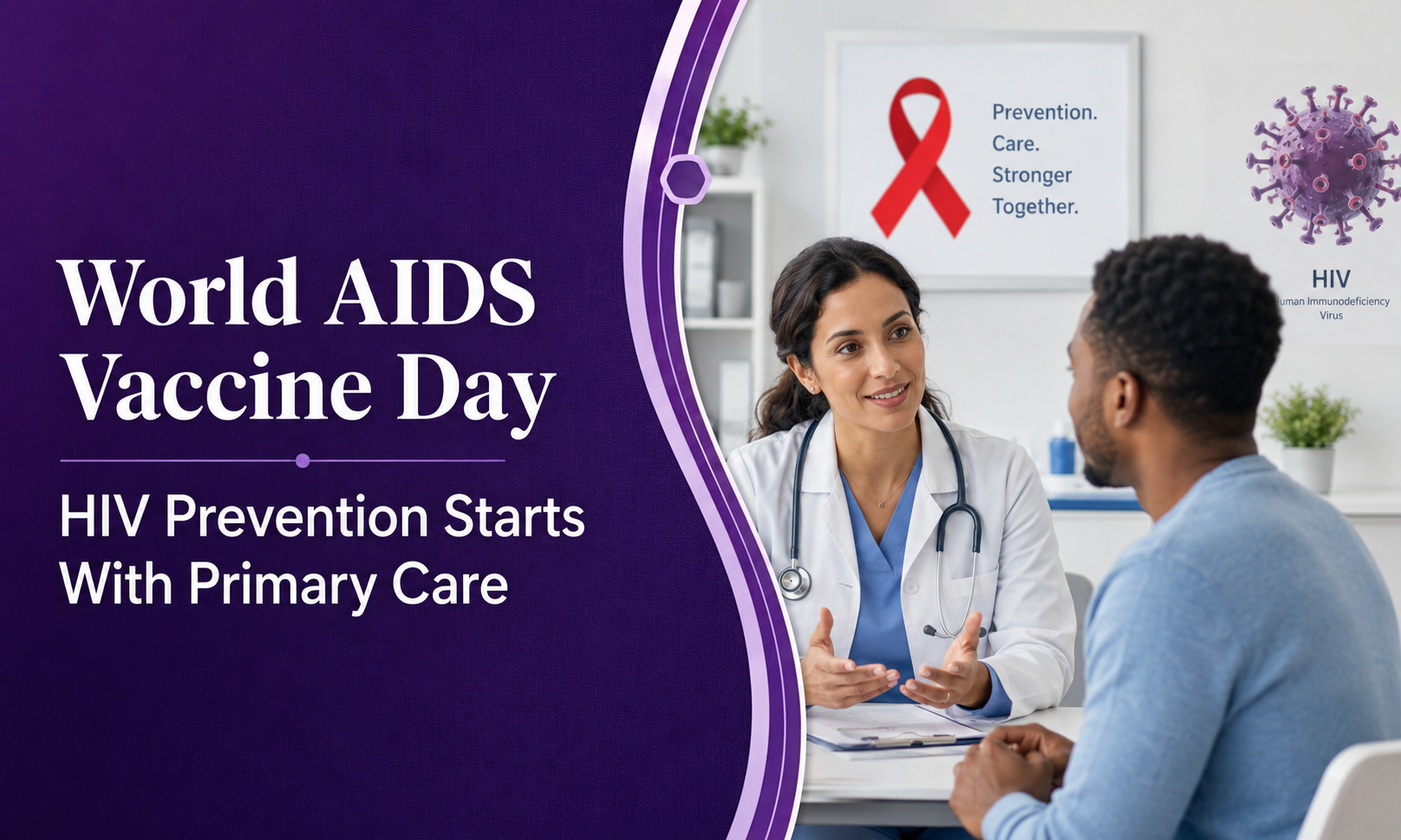
World AIDS Vaccine Day and HIV Prevention are important reminders that HIV awareness should not stop at one date on the calendar.
Many people still feel confused about HIV stages, AIDS, testing, symptoms, treatment, and prevention. Some patients also think an HIV vaccine already exists, but there is currently no vaccine or complete cure for HIV.
However, treatment and prevention tools can help people protect their health and reduce transmission risk when used correctly.
World AIDS Vaccine Day and HIV Prevention are more than an awareness topic. Many people hear “AIDS vaccine” and assume a vaccine already exists. However, HIV.gov states that there is currently no vaccine available that prevents HIV infection. Research continues, but prevention today still depends on testing, safer choices, PrEP, PEP, and medical care.
Book a confidential appointment with Passion Health Primary Care today to discuss HIV testing, prevention, and your health concerns with a trusted provider.
Why World AIDS Vaccine Day Matters Today?
World AIDS Vaccine Day is observed on May 18 every year. It raises awareness about the need for a safe and effective HIV vaccine and honors the scientists, healthcare workers, volunteers, and community members involved in HIV vaccine research.
This day also reminds people that there is currently no vaccine available to prevent HIV infection, so prevention still depends on testing, education, safer practices, PrEP, PEP, and regular medical care.
What Is HIV?
HIV stands for human immunodeficiency virus. It attacks the body’s immune system, making it harder to fight infections and diseases.
Without medical care, HIV can slowly damage the immune system and may lead to AIDS.
HIV does not always cause obvious symptoms right away. Some people feel sick in the early stage, while others may feel normal for years.
Because of this, testing gives the only reliable answer. Guessing by symptoms can delay care.
What Is AIDS?
AIDS stands for acquired immunodeficiency syndrome. It is the most advanced stage of HIV infection.
AIDS can happen when HIV severely weakens the immune system, and the body becomes more vulnerable to serious infections and certain cancers.
AIDS does not happen overnight. It usually develops after untreated HIV damages the immune system over time.
However, early diagnosis and proper HIV treatment can slow or prevent HIV from progressing to AIDS.
What’s the Difference Between HIV and AIDS?
The main difference is simple: HIV is the virus, and AIDS is the advanced condition that can develop from untreated HIV.
A person must have HIV before AIDS can develop. HIV weakens the immune system, while AIDS happens when the immune system becomes severely weakened.
This difference matters because not every person with HIV has AIDS. With proper treatment, many people with HIV can live long, healthy lives and never progress to AIDS.
What Does HIV Do to a Person?
HIV targets important immune cells called CD4 cells. These cells help the body fight infections.
When HIV reduces the number of CD4 cells, the immune system becomes weaker.
Over time, untreated HIV can leave the body less able to defend itself against infections.
However, HIV treatment can control the virus. Antiretroviral therapy, also called ART, reduces the amount of HIV in the blood.
When treatment works well, and the viral load becomes undetectable, a person can protect their health and prevent sexual transmission of HIV.
World AIDS Vaccine Day and HIV Prevention: What Are the Stages of HIV?
HIV usually progresses through three stages when it is not treated: acute HIV infection, chronic HIV infection, and AIDS. Treatment can slow or prevent this progression, which makes early testing very important.
Stage 1: Acute HIV Infection
This is the earliest stage of HIV. It can happen within the first few weeks after infection. Some people develop flu-like symptoms such as fever, chills, sore throat, rash, fatigue, swollen lymph nodes, muscle aches, or night sweats. However, symptoms alone cannot confirm HIV.
Stage 2: Chronic HIV Infection
This stage may last for years. A person may feel healthy, but HIV can remain active in the body. Without treatment, the virus can continue damaging the immune system. Because symptoms may not appear, routine HIV testing becomes very important.
Stage 3: AIDS
AIDS is the most serious stage of HIV. It can occur when the CD4 count becomes very low or when certain AIDS-defining illnesses develop. At this stage, the immune system has severe damage, and serious infections can occur more easily.
How Is HIV Diagnosed?
HIV is diagnosed through blood or oral fluid testing. If a screening test shows a positive result, a healthcare provider usually orders follow-up testing to confirm the diagnosis.
HIV testing can happen through a healthcare provider, community testing site, or at-home test, depending on the situation.
Testing early helps patients take action quickly. A negative result can lead to prevention planning. A positive result can lead to treatment, follow-up care, and support.
What Tests Diagnose HIV?
There are three main types of HIV tests: antibody tests, antigen/antibody tests, and nucleic acid tests. Each test looks for different signs of HIV and works during a different time window after exposure.
Antibody Test
An antibody test checks for antibodies that the body makes in response to HIV. Some rapid tests and at-home tests use this method. These tests may take longer to detect HIV after exposure.
Antigen/Antibody Test
An antigen/antibody test looks for both HIV antibodies and a part of the virus called p24 antigen. Providers commonly use this test for routine HIV screening because it can detect infection earlier than antibody-only tests.
Nucleic Acid Test
A nucleic acid test, or NAT, looks directly for HIV in the blood. Providers may use this test when early infection is suspected or after a higher-risk exposure. It can detect HIV earlier than many other tests, but it is not always the first test used for routine screening.
World AIDS Vaccine Day and HIV Prevention: How Is HIV Treated?
HIV treatment uses medicines called antiretroviral therapy, or ART. HIV treatment involves taking medicine as prescribed by a healthcare provider and should start as soon as possible after diagnosis.
Treatment reduces the amount of HIV in the blood, also called viral load.
When treatment lowers viral load to an undetectable level, HIV cannot be transmitted through sex.
HIV treatment helps people live long, healthy lives and prevents HIV transmission.
Treatment does not cure HIV, but it can control the virus. Patients need regular follow-up visits, lab monitoring, and medication support.
Is There a Cure for HIV?
There is currently no complete cure for HIV. Once a person gets HIV, they have it for life. However, proper medical care can control the virus.
CDC explains that people with HIV who get and stay on effective treatment can live long, healthy lives.
This is one reason World AIDS Vaccine Day and HIV Prevention remain important. Research continues, but patients do not need to wait for a future vaccine to take action today.
Testing, treatment, PrEP, PEP, condoms, and regular medical care can all play a role in prevention.
How Can I Reduce My Risk of Getting HIV?
World AIDS Vaccine Day and HIV Prevention should focus on real steps patients can take now.
CDC lists several prevention tools, including condoms, never sharing needles or injection equipment, PrEP, and PEP.
1. Get Tested Regularly
Everyone between the ages of 13 and 64 gets tested for HIV at least once. People with certain risk factors should test more often.
Testing helps patients protect themselves and others. A negative result can lead to prevention planning. A positive result can lead to treatment and support.
2. Use Condoms Correctly
Condoms can reduce the risk of HIV and some other sexually transmitted infections when used correctly. They work best when used every time during sex.
3. Do Not Share Needles or Injection Equipment
Sharing needles, syringes, or other injection equipment can spread HIV. Avoiding shared equipment lowers risk.
4. Talk to a Provider About PrEP
PrEP, or pre-exposure prophylaxis, is medication for people without HIV who may have a chance of exposure through sex or injection drug use. PrEP greatly reduces the chance of getting HIV when used as directed.
5. Act Quickly After Possible Exposure
PEP, or post-exposure prophylaxis, is emergency medication taken after possible HIV exposure. It must start quickly, so patients should seek medical advice right away after a possible exposure.
6. Can Medications Prevent HIV?
Yes, medications can help prevent HIV in specific situations. PrEP helps prevent HIV before possible exposure.
PEP helps prevent HIV after a possible exposure when started quickly. These medications do not replace routine testing or medical guidance, but they can play a major role in prevention.
Why Primary Care Still Matters on World AIDS Vaccine Day
Some patients avoid HIV conversations because they feel embarrassed, afraid, or unsure what to ask. Primary care can change that experience. A good primary care visit gives patients privacy, respect, and clear guidance.
At Passion Health Primary Care, visits can include:
HIV testing guidance
PrEP and PEP education
Sexual health counseling
Medication review
Follow-up care coordination
Final Thoughts on World AIDS Vaccine Day
World AIDS Vaccine Day reminds us that vaccine research continues, but prevention cannot wait. Patients already have strong tools available today: testing, education, PrEP, PEP, condoms, treatment, and routine primary care.
The most important step is not fear. It is action.
If you have never had an HIV test, have questions about prevention, or want to understand your options, start with a confidential primary care visit. One appointment can give you clarity, protection, and a stronger plan for your health.
Book an appointment with Passion Health Primary Care today for confidential HIV prevention guidance, testing support, and advanced primary care.
FAQs
1. What are the stages of HIV?
HIV has three main stages: acute HIV infection, chronic HIV infection, and AIDS. Treatment can slow or prevent progression to AIDS.
2. How is HIV diagnosed?
HIV is diagnosed through blood or saliva testing. Positive results usually need follow-up testing to confirm the diagnosis.
3. What tests diagnose HIV?
The main HIV tests are antigen/antibody tests, antibody tests, and nucleic acid tests. Each test has a different detection window after exposure.
4. How is HIV treated?
HIV is treated with antiretroviral therapy, also called ART. CDC recommends starting treatment as soon as possible after diagnosis.
5. Can medications prevent HIV?
Yes. PrEP can help prevent HIV before exposure, and PEP can help after possible exposure when started quickly. A healthcare provider can explain which option fits the situation.
6. What is World AIDS Vaccine Day?
World AIDS Vaccine Day is an annual awareness day observed on May 18. It highlights HIV vaccine research and honors the people working toward a safe and effective HIV vaccine.
7. Is there an HIV vaccine available now?
No. There is currently no vaccine available to prevent HIV infection, but researchers continue to study vaccine options.
8. Why should I see a primary care provider for HIV prevention?
A primary care provider can help with HIV testing, PrEP and PEP education, prevention counseling, and follow-up care. This makes prevention easier to understand and act on.
9. How do I know if I need an HIV test?
CDC recommends that everyone ages 13 to 64 get tested at least once, and some people may need testing more often based on risk factors.
10. Can HIV treatment help prevent transmission?
Yes. CDC states that people with HIV who take treatment and keep an undetectable viral load will not transmit HIV to others through sex.