How Long Does Processed Food Stay in Your Body? What Your Gut Is Trying to Tell You
If you’ve ever felt bloated, sluggish, or unusually tired after eating, you’re not imagining it.
Many patients ask me: how long does processed food stay in your body, and is it responsible for these symptoms.
The answer isn’t as simple as a number—it depends on your metabolism, gut health, and the type of processed food you consume.
But in clinical practice, we consistently see that processed foods tend to stay longer in the digestive system and create more strain on the gut compared to whole foods.
If you’re regularly dealing with digestive discomfort, it may be time to look deeper. Book an appointment with Passion Health Primary Care for a personalized evaluation.
What Counts as “Processed Food”?
Before we talk about the timeline, let’s define the term properly. There’s a spectrum:
Minimally processed: frozen vegetables, plain yogurt, canned beans
Moderately processed: whole grain bread, packaged cheese
Ultra-processed (UPF): packaged snack cakes, fast food, instant noodles, diet sodas, flavored chips, protein bars with 30+ ingredients
When patients ask me how long processed food stay in your body, they’re almost always concerned about ultra-processed foods (UPFs) — and rightfully so. These are the ones engineered with synthetic emulsifiers, refined sugars, artificial dyes, trans fats, and preservatives that your body was never designed to process efficiently.
What Happens When You Eat Processed Food?
From a medical standpoint, processed foods are typically:
Low in fiber
High in refined sugars and unhealthy fats
Filled with additives and preservatives
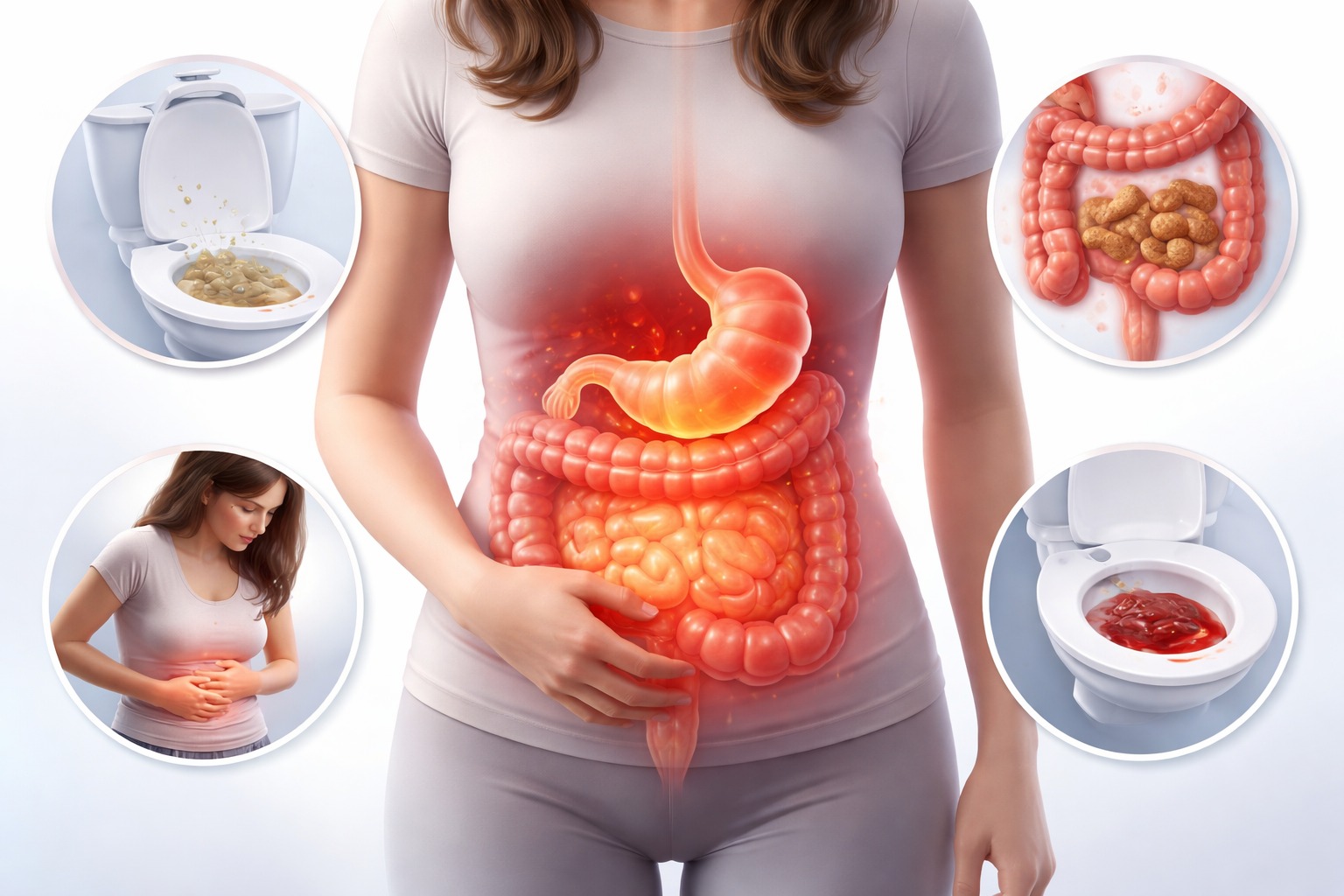
When you eat them, your digestive system has to work harder. Unlike whole foods, which move efficiently through your gut, processed foods often slow gastric emptying and intestinal transit.
This directly impacts how long processed food stays in your body and how you feel afterward.
The Digestion Timeline: Hour by Hour
0–30 Minutes: Blood Sugar Spike
Refined carbs absorb quickly due to low fiber
Rapid glucose spike → insulin surge
Leads to an early energy crash
1–2 Hours: Gut Inflammation Begins
Additives (emulsifiers) start irritating the gut lining
Triggers low-grade inflammation
May raise markers like CRP
Low fiber = weaker gut movement (peristalsis)
Processed food stays longer in the small intestine
Can extend digestion beyond normal timing
12–48+ Hours: Colon Transit Delays
Normal transit: 24–72 hours
Processed diet may extend to 72–96 hours
Residue and additives remain longer in colon
Days to Weeks: Gut Microbiome Impact
Harmful bacteria may increase
Beneficial bacteria like Lactobacillus reduce
Gut balance can take weeks to recover
Why Processed Food Slows Digestion
There are three main reasons:
1. Lack of Fiber
Fiber is essential for moving food through your digestive tract. Processed foods are stripped of it, leading to slower bowel movement and longer retention time.
2. High Fat Content
Fat-heavy processed meals delay stomach emptying, meaning food sits longer before moving forward.
3. Additives and Preservatives
Certain additives can alter gut bacteria and disrupt normal digestion patterns.
This combination explains why how long processed food stays in your body is often linked to discomfort.
Warning Signs Your Body Is Struggling to Clear Processed Food
As a clinician, here are the symptoms I watch for that tell me a patient’s body is having a hard time processing and eliminating these foods:
Persistent bloating that doesn’t resolve after a day
Irregular bowel movements — either constipation lasting more than 3 days or loose stools after every processed meal
Brain fog and afternoon energy crashes (a sign of blood sugar dysregulation)
Skin breakouts or rashes appearing 24–72 hours after high-UPF meals
Unexplained weight gain, particularly around the abdomen
Acid reflux or GERD flares worsen with processed food consumption
Joint stiffness and inflammation — particularly in patients who eat processed meats and refined oils daily
Mood changes, anxiety, or low mood — the gut-brain axis is real, and gut inflammation directly affects neurotransmitter production
When Should You See a Doctor?
If you’re noticing more than 2–3 of the symptoms above on a consistent basis, this is not something to manage alone with a YouTube detox plan.
Seek care promptly if you experience:
Blood in your stool
Significant unexplained weight loss
Bowel habits that have changed dramatically and persist beyond 2–3 weeks
Severe abdominal cramping after meals
Signs of fatty liver (right-sided abdominal discomfort, fatigue, elevated liver enzymes on bloodwork)
Treatment and What You Can Do
From a primary care perspective, treatment focuses on restoring normal digestion:
1. Increase Whole Foods
Shift toward fruits, vegetables, and whole grains to reduce how long processed food stays in your body.
2. Hydration
Adequate water intake helps improve gut movement.
3. Gut Health Support
Probiotics and dietary adjustments may help rebalance digestion.
4. Medical Evaluation
If symptoms persist, lab tests or further evaluation may be needed.
Key Takeaways
Processed foods typically stay in your body 24–72 hours, often longer than whole foods
Low fiber and high fat content slow digestion
Symptoms like bloating and fatigue are common signals
Persistent issues may require medical evaluation
Early intervention can prevent long-term gut problems
If processed foods are affecting how you feel daily, it’s time to understand what your body is trying to tell you.
Schedule your visit with Passion Health Primary Care and take the first step toward better digestion and long-term health.