
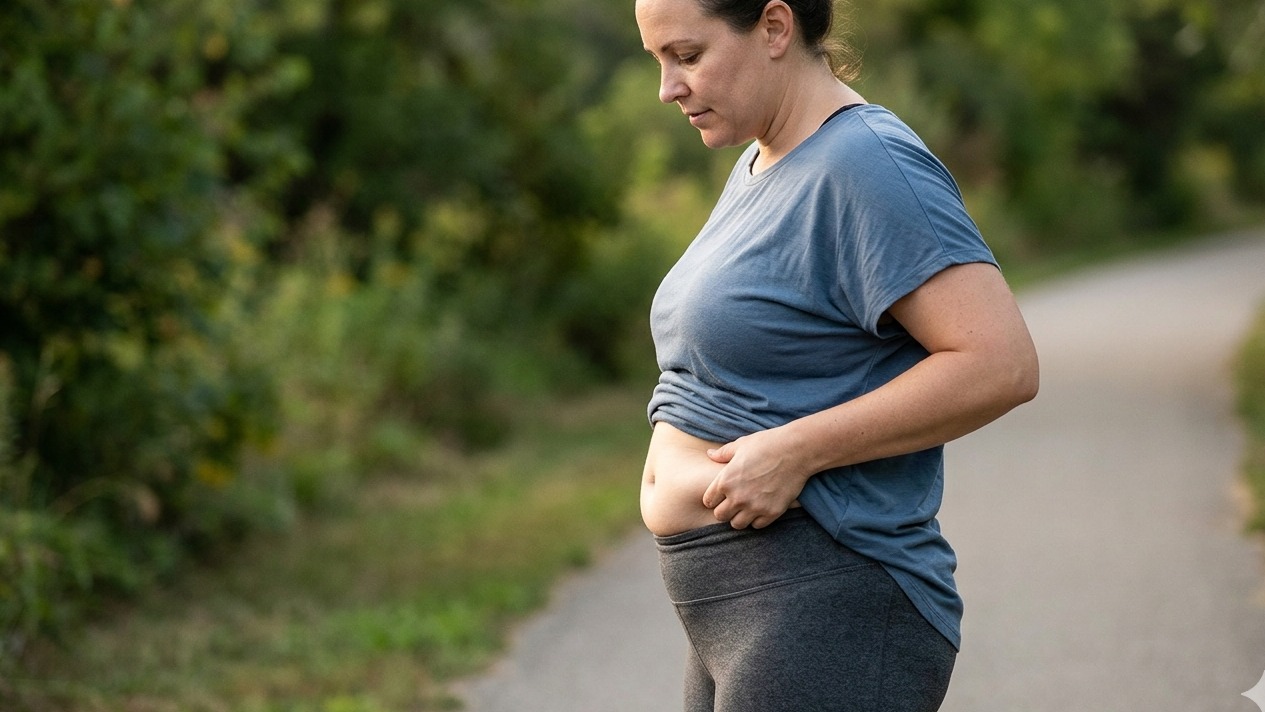

Why Women Gain Belly Fat After 35: Causes, Health Risks, and Effective Solutions
Review By Passion Health Physician
For many women over 35, stubborn belly fat can appear even without major shifts in diet or daily routines. This frustrating change is rarely just about appearance—it often signals deeper hormonal shifts, a naturally slowing metabolism, and evolving lifestyle patterns.
While it may seem cosmetic, abdominal fat—especially the deeper visceral type—carries real health implications. Understanding why this happens, and what you can do about it, is the first step toward lasting wellness.
Start your journey to better health today—book an appointment with Passion Health Primary Care and get expert nutrition guidance tailored to you.
Why Women Over 35 Tend to Gain Belly Fat
As women enter their late thirties and beyond, several internal changes make the midsection a prime spot for fat storage.
Hormonal fluctuations – Estrogen levels begin to decline and become less predictable.
Loss of lean muscle – Muscle mass naturally decreases year after year.
Metabolic slowdown – The body burns fewer calories at rest than it did a decade ago.
These combined factors explain why weight gain after 35 in women often settles right around the waistline—and why losing it becomes an uphill battle.
Top Reasons Behind Abdominal Fat Accumulation After 35
1. Hormonal Shifts
Hormones are powerful drivers of where fat ends up. As estrogen levels decline, the body begins to store more fat in the abdominal region rather than the hips and thighs. Insulin resistance also becomes more common, encouraging further fat buildup. These hormonal imbalances can also alter appetite and the body’s ability to burn fuel efficiently.
2. A Naturally Slower Metabolism
After 35, your basal metabolic rate (BMR) gradually declines. That means even if you eat the same as you did at 30, you may still gain weight. Fewer calories are burned during daily activities and sleep, making fat storage more likely.
3. Sedentary Work and Home Life
Many women spend long hours at desks, commuting, or managing household tasks that involve little movement. Structured exercise often takes a backseat. This low daily energy expenditure directly contributes to a widening waistline.
4. Chronic Stress and High Cortisol
Ongoing stress triggers the release of cortisol, a hormone that specifically encourages fat storage around the organs in the belly. Cortisol also ramps up cravings for sugary, calorie-dense comfort foods, creating a perfect storm for weight gain.
5. Poor Sleep Quality
Sleep isn’t just for rest—it regulates hunger hormones like ghrelin and leptin. When sleep is short or restless, appetite increases, cravings spike, and the body becomes more efficient at storing fat. Women with irregular sleep patterns are far more likely to see abdominal weight creep up.
6. Unhealthy Eating Patterns
Diets heavy in processed foods, refined grains, added sugars, and unhealthy fats directly fuel visceral fat accumulation. Irregular meal timing, skipping meals, or late-night snacking only make things worse.
Subcutaneous vs. Visceral Fat: What’s the Difference?
Not all belly fat is equal, and knowing the difference matters for your health.
Subcutaneous fat – The pinchable fat just under the skin. While not harmless in large amounts, it poses fewer immediate dangers.
Visceral fat – Hidden fat wrapped around your liver, pancreas, and intestines. This type is metabolically active and drives most of the health risks associated with belly fat.
Visceral fat is the real culprit behind chronic disease risk, and it’s the type that increases most sharply after 35.
Health Dangers of Excess Belly Fat in Women
Carrying too much abdominal fat isn’t just about the fit of your jeans—it’s a major threat to long-term health. Key risks include:
Coronary heart disease
High blood pressure (hypertension)
Hormonal disruptions, including worsened menopausal symptoms
Metabolic syndrome (a cluster of conditions that raise stroke and diabetes risk)
For women, excess visceral fat can also affect reproductive health and increase inflammation throughout the body.
Warning Signs That Belly Fat Is Harming Your Health
It’s not just about the number on the scale. These signs suggest your abdominal fat may already be impacting your well-being:
Waist circumference over 35 inches (88 cm)
Feeling tired most days, even after sleep
Fasting blood sugar is creeping above normal
Struggling to lose weight despite genuine efforts
If you notice any of these, it’s wise to take action sooner rather than later.
Noticing changes in weight or struggling with diet? Book an appointment with Passion Health Primary Care for personalized nutrition support and expert care.
Why Shedding Belly Fat Gets Tougher After 35
Many women ask: “Why can’t I lose this belly fat as I used to?” The answer lies in three changes:
Hormonal resistance – Your body no longer responds to fat-burning signals as efficiently.
Lower calorie burn – A slower metabolism means smaller calorie deficits.
Muscle loss – Less muscle equals fewer calories burned around the clock.
This combination makes stubborn belly fat far more persistent after 35 than in younger years.
When to Talk to a Doctor
Professional medical advice is recommended if you experience:
Rapid or unexplained weight gain (more than 5–10 pounds without reason)
A steadily increasing waistline despite diet and exercise changes
Related health issues like high blood pressure, elevated cholesterol, or prediabetes
Early medical guidance can prevent small issues from turning into long-term problems.
Realistic Lifestyle Changes That Actually Help
You don’t need extreme diets or marathon workouts. Small, consistent changes yield real results.
Eat a balanced diet – Focus on lean protein, fiber-rich vegetables, healthy fats, and whole grains. Cut back on added sugar and ultra-processed foods.
Move regularly – Combine cardio (walking, swimming, cycling) with strength training (weights, resistance bands, bodyweight exercises) to rebuild muscle and boost metabolism.
Manage stress – Try daily deep breathing, meditation, or gentle yoga to lower cortisol.
Prioritize sleep – Aim for 7–8 hours of quality sleep per night. Keep a consistent bedtime.
These habits not only reduce belly fat but also help restore hormonal balance.
Long-Term Consequences of Ignoring Belly Fat
Letting abdominal fat go unchecked doesn’t just affect your looks. Over the years, it can lead to:
Higher risk of chronic diseases (diabetes, heart disease, certain cancers)
Decreased physical mobility and stamina
Lower quality of life and increased fatigue
Addressing belly fat early is one of the most powerful steps you can take for healthy aging.
Takeaway
Belly fat after 35 in women is far more than a cosmetic annoyance. It reflects real hormonal and metabolic shifts that, if ignored, can lead to serious health problems. From estrogen decline and stress to poor sleep and inactivity, multiple factors work together to expand your waistline. The good news? Recognizing these changes early and adopting sustainable lifestyle habits can reverse the trend. Take proactive steps today—your future health, energy, and well-being will thank you.
Take control of your health today—book an appointment with Passion Health Primary Care and get the right nutrition plan designed just for you.
Frequently Asked Questions
Is it normal to gain belly fat after 35?
Yes, it is very common due to natural hormonal changes and metabolic slowing. However, excessive accumulation should be monitored because it raises disease risk.
Can a hormonal imbalance cause belly fat in women?
Absolutely. Falling estrogen levels, especially during perimenopause, shift fat storage toward the abdomen. Insulin resistance, also hormone-related, further promotes fat gain.
How is belly fat different from general weight gain?
Belly fat—especially visceral fat—is more dangerous because it surrounds internal organs and releases inflammatory substances. General weight gain may be subcutaneous fat, which is less harmful.
Can you gain belly fat without eating more?
Yes. Hormonal shifts, chronic stress, poor sleep, and a slower metabolism can all lead to increased abdominal fat even if your calorie intake hasn’t changed.
Does menopause directly increase belly fat?
Yes. Menopause triggers a sharp decline in estrogen, which the body compensates for by storing more fat in the abdomen. Most women notice a clear change during this transition.
How soon can belly fat affect health?
Visceral fat can begin affecting metabolic health within months, especially if combined with inactivity or poor diet. Insulin resistance and blood pressure changes can appear relatively quickly.
Reviewed By Passion Health Physician