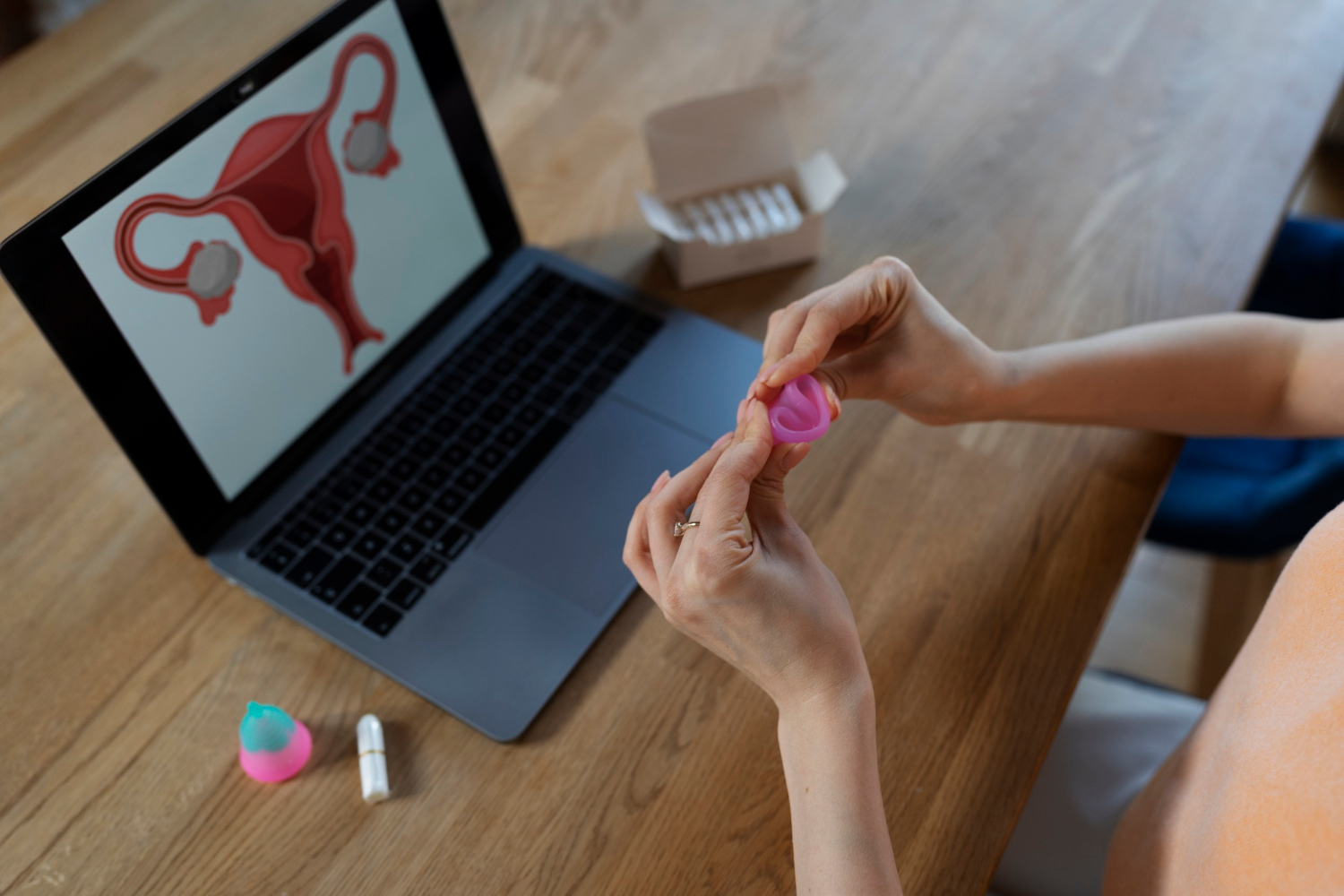
While many believe a “well-woman exam” is just for Pap smears, these annual visits are actually your most powerful tool for hormonal optimization and long-term vitality. In 2026, reproductive health is viewed through the lens of whole-body wellness—from brain health to bone density.
Why Your Annual Exam is More Than a Cancer Screening
The updated USPSTF guidelines may have extended the time between Pap smears, but your internal health requires an annual “check-in.” Hormones act as the body’s chemical messengers; when they are out of sync, every system—from your metabolism to your mood—is affected.
1. Hormonal Balance & Metabolic Health
An annual GYN exam is the first line of defense against “silent” hormonal shifts. Your provider looks for early indicators of:
PCOS (Polycystic Ovary Syndrome): Identifying insulin resistance and androgen levels early to prevent long-term metabolic issues.
Thyroid Dysfunction: Often mistaken for simple fatigue, thyroid imbalances are frequently caught during routine GYN symptom reviews.
Irregular Cycles: Tracking changes in flow and frequency to identify underlying fibroids or endometriosis.
2. Fertility Awareness & Family Planning
Whether you want a baby now or ten years from now, your annual exam is a fertility audit.
Preconception Counseling: Optimizing vitamins (like Folic Acid) and reviewing genetic history.
Ovarian Reserve Discussions: Proactive conversations about egg health and tracking ovulation.
Contraceptive Management: Reviewing if your current birth control still aligns with your lifestyle and hormonal needs.
3. The Menopause Transition (Perimenopause)
As of 2026, there is a major medical shift toward proactive menopause management. We no longer “wait for it to happen.”
Brain Health: Discussing how estrogen decline affects memory and “brain fog.”
Bone Density: Early screening for osteopenia to prevent fractures later in life.
Quality of Life: Medical interventions for hot flashes, night sweats, and vaginal dryness before they become debilitating.
What to Expect During Your 2026 GYN Visit
A modern exam is a conversation-first experience. Be prepared to discuss:
Cycle Tracking Data: If you use a wearable (like Oura or Apple Watch), bring your data to discuss temperature shifts and cycle length.
Mental Health: There is a direct link between hormonal fluctuations (PMDD) and clinical anxiety/depression.
Sexual Wellness: Open discussions about libido, pain, and pelvic floor health.