Preventive Care • Nutrition • Primary Care
Primary Care Doctor–Advised Nutrition Chart: Essential Nutrients for Better Health
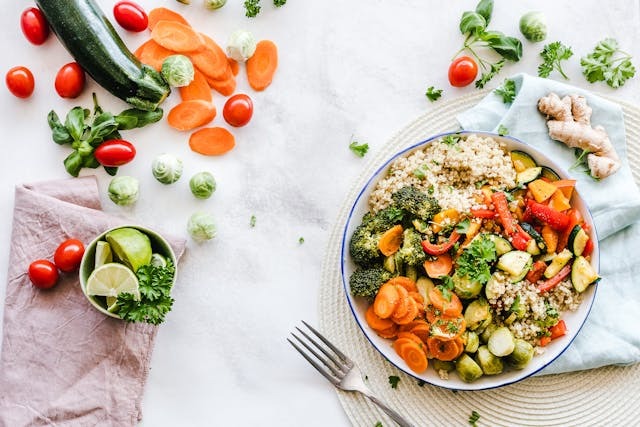
If you want steady energy, healthier labs, better digestion, and long-term disease prevention, nutrition is the foundation. This guide breaks down the key nutrients your primary care provider focuses on—plus simple portions and “plate percentages” you can actually follow at home.
The “Balanced Plate” Rule (Easy and Powerful)
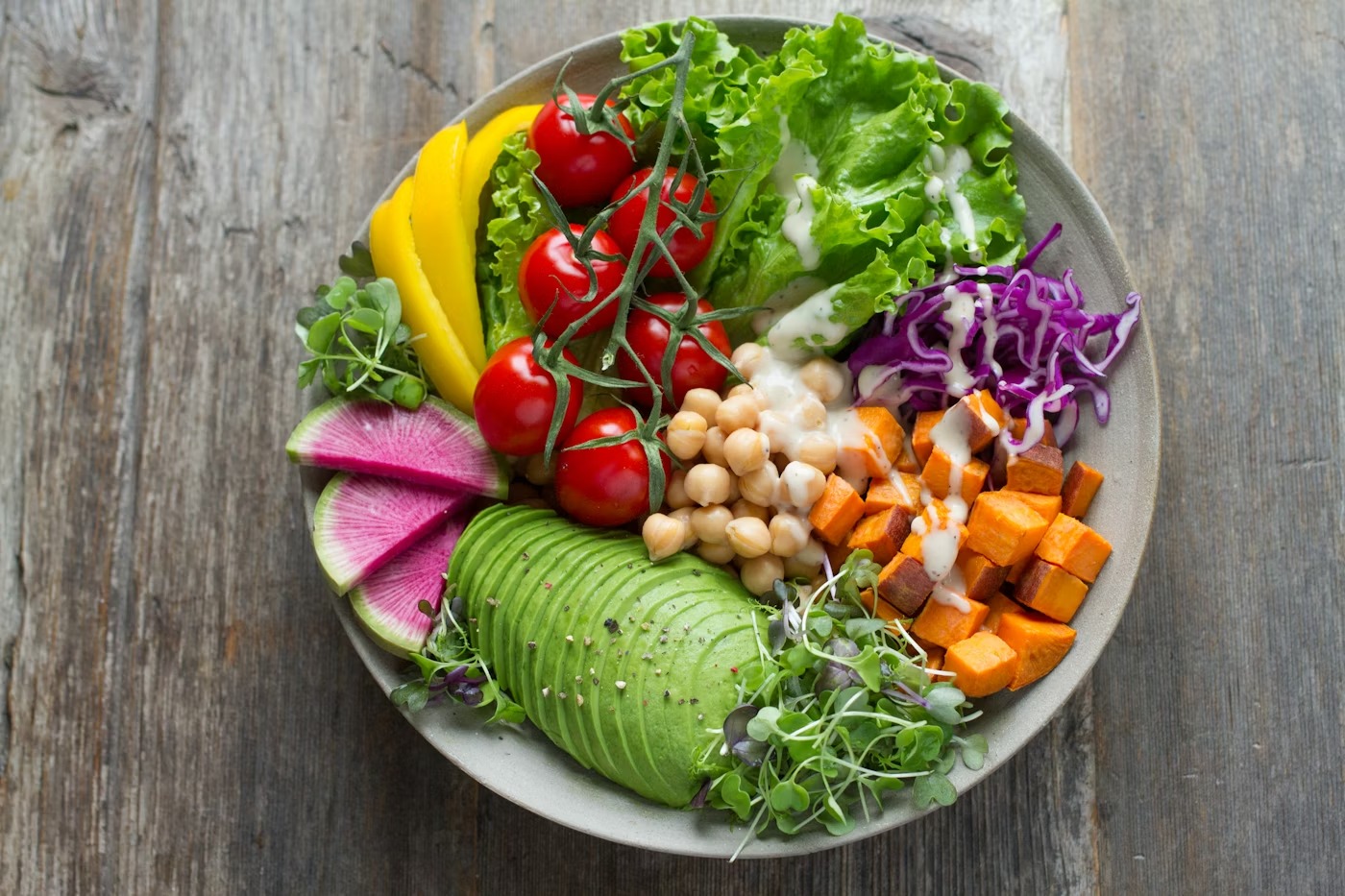
A simple method primary care doctors recommend is the Balanced Plate. It’s not a strict diet—just a clear structure that helps most people improve nutrition without overthinking.
- 50% non-starchy vegetables + fruit (mostly vegetables)
- 25% lean protein
- 25% whole grains or starchy vegetables
- Small add-on healthy fats (olive oil, nuts, seeds, avocado)
Primary Care Nutrition Chart (Percentages + Daily Targets)
Note: These ranges are general guidelines for healthy adults. Your needs may differ if you have diabetes, kidney disease, heart disease, pregnancy, food allergies, or specific medical goals.
| Nutrition Focus | Recommended Range | Simple Daily Targets | Examples to Include Often |
|---|---|---|---|
| Complex Carbs (whole-food energy) | 45–55% of daily calories | 1–2 fist-sized portions per meal (adjust for goals) | Brown rice, oats, quinoa, whole wheat, sweet potato |
| Lean Protein (repair + stability) | 20–25% of daily calories | 1 palm-sized portion per meal | Eggs, fish, chicken/turkey, tofu, lentils, Greek yogurt |
| Healthy Fats (heart + brain) | 20–30% of daily calories | 1–2 thumb-sized portions per meal | Olive oil, avocado, nuts, seeds, fatty fish |
| Fiber (gut + cholesterol) | Women: 21–25g/day Men: 30–38g/day |
Include fiber in 2–3 meals + 1 snack | Beans, lentils, berries, apples, broccoli, chia |
| Fruits & Vegetables (vitamins/minerals) | 4–5 servings/day (or more) | At least 2 colors per meal | Leafy greens, peppers, citrus, carrots, tomatoes |
| Hydration (whole-body support) | Varies by activity and climate | 6–8 cups/day baseline (more if active) | Water, herbal tea, soups; limit sugary drinks |
1) Complex Carbohydrates (45–55%): Stable Energy Without Spikes
Carbs aren’t the enemy—refined carbs are the problem. Primary care providers often recommend swapping processed grains for whole grains because they digest slower and support steadier energy.
How much?
- Most meals: ¼ of your plate from whole grains or starchy vegetables
- Choose whole foods (oats, quinoa, brown rice) more often than white flour products
Smart swaps
- White rice → brown rice or quinoa
- Sweet snacks → fruit + nuts
- White bread → whole wheat
2) Lean Protein (20–25%): The “Anchor” for Hunger Control
Protein helps keep you full, supports muscle, and can stabilize blood sugar. Many people feel better quickly when they add a consistent protein source at breakfast and lunch.
How much?
- Per meal: 1 palm-sized portion (or ~20–35g protein depending on needs)
- If you’re trying to lose weight: protein becomes even more important for satiety
Best choices
- Fish (salmon, tuna), chicken/turkey, eggs
- Plant options: tofu, lentils, chickpeas, beans
- Dairy: plain Greek yogurt, cottage cheese

3) Healthy Fats (20–30%): Heart Support You Can Taste
Healthy fats support hormones, brain function, and heart health—especially when they replace fried or highly processed fats. The key is portion control because fats are calorie-dense.
How much?
- Per meal: 1–2 thumb-sized portions
- Examples: 1 tbsp olive oil, ¼ avocado, small handful of nuts
Good sources
- Olive oil, avocado
- Nuts and seeds (almonds, walnuts, chia, flax)
- Fatty fish (salmon, sardines)
Try this: Add olive oil + lemon to a salad instead of creamy dressings.

4) Fiber (25–38g/day): Digestion, Cholesterol, and Blood Sugar Support
Fiber is a “quiet hero.” It supports gut health, keeps bowel movements regular, and can help lower LDL cholesterol. It also slows how quickly sugar enters the bloodstream.
How much?
- Women: 21–25g/day
- Men: 30–38g/day
- Increase slowly and drink water to reduce bloating
High-fiber foods to include
- Beans, lentils, chickpeas
- Berries, apples, pears
- Broccoli, Brussels sprouts
- Oats, chia seeds

High-Fiber Foods Chart
| Food | Serving | Approx. Fiber | Easy way to use it |
|---|---|---|---|
| Lentils | 1 cup cooked | ~15g | Add to soups or rice bowls |
| Black beans | 1 cup cooked | ~15g | Use in salads, tacos, bowls |
| Raspberries | 1 cup | ~8g | Add to yogurt or oats |
| Chia seeds | 2 tbsp | ~10g | Mix into water/oats/smoothies |
| Broccoli | 1 cup | ~5g | Roast or steam as side dish |
| Apple (with skin) | 1 medium | ~4g | Snack with nuts |
5) Vitamins & Minerals: Build “Nutrient Density” Every Day
Vitamins and minerals support immunity, bones, blood health, energy, and blood pressure. The easiest strategy is to eat more colors—different colors usually mean different nutrients.
How much?
- Aim for 4–5 servings/day of fruits + vegetables (or more)
- Try to include 2–3 different colors daily
Key nutrients primary care doctors watch
- Potassium (blood pressure): bananas, sweet potato, beans
- Calcium + Vitamin D (bones): dairy/fortified foods, sunlight, fatty fish
- Iron (energy): leafy greens, beans, lean meat
- Magnesium (muscles/stress): nuts, seeds, whole grains
6) Hydration: The Most Underrated Health Habit
Many “mystery symptoms” improve when hydration improves—fatigue, headaches, constipation, and even cravings. Your needs vary based on activity, heat, and medical conditions, but a baseline goal helps.
How much?
- Baseline: 6–8 cups/day
- More if you exercise, sweat a lot, or spend time outdoors
Simple hydration tips
- Drink a glass of water when you wake up
- Carry a refillable bottle
- Choose water or unsweetened tea most of the time
Simple 1-Day Meal Example (Balanced Plate)
Breakfast
- Oatmeal + berries
- 1 boiled egg or Greek yogurt
- Water or unsweetened tea
Lunch
- Protein bowl: chicken/tofu + quinoa/brown rice
- Big portion of vegetables
- Olive oil + lemon dressing
Dinner
- Baked fish or beans/lentils
- Steamed/roasted vegetables
- Small serving whole grains or sweet potato
Snack (if needed)
- Apple + small handful of almonds
When to Talk to a Primary Care Doctor About Nutrition
Nutrition looks simple, but your health history matters. Consider a visit if you have:
- High blood pressure, high cholesterol, or prediabetes/diabetes
- Unexplained weight gain or weight loss
- Digestive issues (constipation, bloating, reflux)
- Fatigue, anemia concerns, or low vitamin levels
- Kidney disease or heart disease (diet needs may be different)
FAQs
How fast can diet changes improve my lab results?
Many patients see improvements in 4–12 weeks with consistent changes (especially cholesterol and blood sugar trends), but results depend on your baseline health, activity, and medical conditions.
Do I need to count calories to be healthy?
Not always. Most people do well using the plate method, prioritizing whole foods, and keeping portions reasonable. Calorie tracking can help for specific weight goals, but it’s not required for everyone.
What if I feel bloated when I increase fiber?
Increase fiber slowly (over 1–2 weeks), drink more water, and spread fiber across meals. If symptoms persist, talk to your provider.
Is a low-carb diet always better for diabetes?
Not necessarily. Many people do well with higher-fiber, lower-refined-carb eating. The best plan is the one you can sustain and that matches your medical needs.
Passion Health Primary Care (DFW): Preventive Care That Fits Real Life
If you’re in the Dallas–Fort Worth area and want help improving energy, weight, blood pressure, cholesterol, or blood sugar, our primary care team can guide you with realistic nutrition goals and preventive screenings.
Tip: Bring a 3-day food log to your appointment—it helps us personalize your plan faster.
Disclaimer: This content is for general education only and is not medical advice. Nutrition needs vary by person. For individualized guidance, schedule a visit with a qualified healthcare professional.