Urinary Tract Infection: How to Treat It Fast, Safely, and Effectively
Urinary tract infections (UTIs) are among the most common bacterial infections affecting millions of people every year—especially women. If you’re searching for “urinary tract infection how to treat,” you’re likely experiencing discomfort and looking for quick, reliable relief.
This comprehensive guide explains everything you need to know—from symptoms and causes to the most effective treatments, home care tips, and when to see a doctor—based on trusted medical insights.
This complete guide explains symptoms, causes, and the most effective treatment options, along with how Passion Health Physicians provide expert care for quick recovery and long-term prevention.
What Is a Urinary Tract Infection?
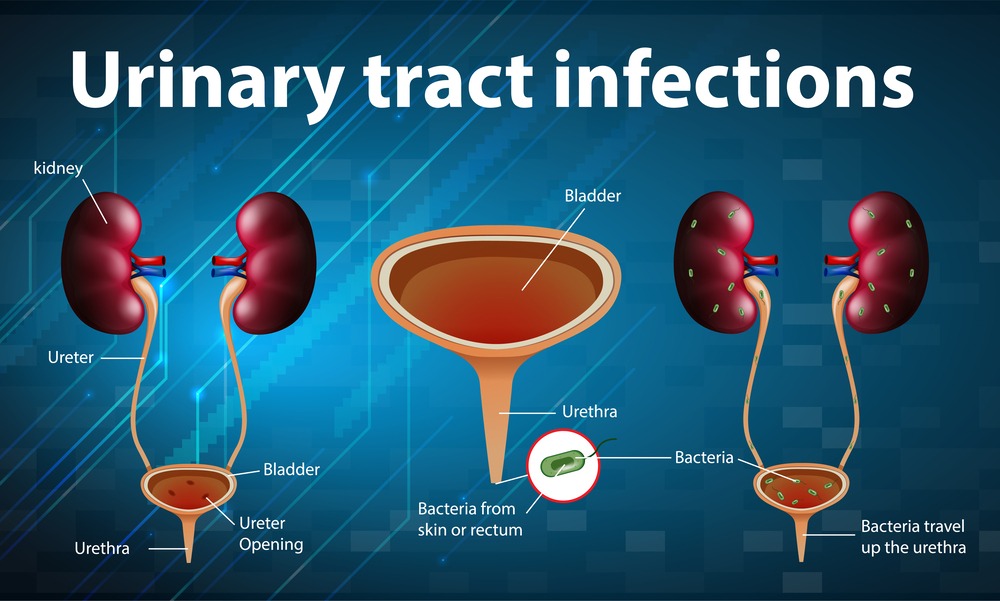
A urinary tract infection occurs when bacteria enter and multiply within the urinary system, which includes the kidneys, ureters, bladder, and urethra.
Most infections affect the lower urinary tract (bladder and urethra), but if left untreated, they can spread to the kidneys and become serious.
Women are particularly at risk. In fact, nearly 50% of women experience a UTI at least once in their lifetime.
Common Symptoms of a UTI
Recognizing symptoms early helps in faster treatment and recovery. According to medical research, common UTI symptoms include:
Burning sensation during urination
Frequent urge to urinate, even with little output
Cloudy, dark, or strong-smelling urine
Pelvic or lower abdominal pain
Fatigue or general discomfort
In more severe cases (kidney infection), symptoms may include:
Fever and chills
Nausea and vomiting
Ignoring these symptoms can allow the infection to worsen, so early action is important.
What Causes a Urinary Tract Infection?
Urinary tract infections (UTIs) are usually caused by bacteria—most commonly E. coli—that enter the urinary tract through the urethra and multiply in the bladder.
Common Risk Factors:
Poor hydration
Holding urine for long periods
Sexual activity
Poor hygiene practices
Hormonal changes
Weakened immune system
Urinary blockages or incomplete bladder emptying.
These factors can create conditions that allow bacteria to grow and lead to infection.
Urinary Tract Infection: How to Treat It
1. Antibiotics – The Most Effective Treatment
The primary and most effective treatment for UTIs is antibiotics prescribed by a doctor.
Commonly prescribed antibiotics include:
Amoxicillin
Nitrofurantoin
Fosfomycin
Trimethoprim-sulfamethoxazole
How quickly do antibiotics work?
Symptoms often improve within 2–3 days.
Full recovery usually takes 3–10 days, depending on severity.y
Important: Always complete the full course—even if symptoms improve early—to prevent recurrence and antibiotic resistance.
2. Pain Relief and Symptom Management
While antibiotics treat the infection, symptom relief is equally important.
Doctors may recommend:
Paracetamol or ibuprofen
Urinary pain relievers
These help reduce:
Burning sensation
Pelvic discomfort
Urinary urgency
However, they do not cure the infection, only manage symptoms.
3. Increase Fluid Intake
Drinking plenty of water is one of the simplest and most effective supportive treatments.
Benefits:
Flushes bacteria from the urinary tract
Dilutes urine to reduce irritation
Supports faster recovery
Medical experts strongly recommend staying well-hydrated during a UTI.
4. Can You Treat a UTI at Home?
Many people look for home remedies when experiencing mild symptoms.
Helpful supportive measures:
Drink more water
Use a heating pad for pain relief.
Avoid caffeine, alcohol, and spicy food.s
Urinate frequently
What about cranberry juice?
Cranberry products may help prevent UTIs, but evidence for curing an active infection is limited.
Important: Home remedies can relieve symptoms, but they are not a substitute for antibiotics.
5. Over-the-Counter (OTC) Treatment: What You Should Know
A common misconception is that UTIs can be cured with over-the-counter medicine.
There are no OTC medications that cure UTIs
OTC products only help relieve pain
Prescription antibiotics are necessary to eliminate the infection.
What Happens If You Don’t Treat a UTI?
Ignoring a UTI can lead to serious complications, including:
Kidney infection
Permanent kidney damage
Recurrent infections
Sepsis (life-threatening condition)
This is why early diagnosis and treatment are critical.
When to See a Doctor
You should seek medical attention if:
Symptoms last more than 48 hours
You have a fever or chills.
There is blood in your urine.e
You experience severe pain
You have frequent UTIs
Timely medical intervention accelerates the healing process and mitigates the risk of secondary health issues.
Special Cases: Recurrent and Chronic UTIs
Some individuals experience repeated infections.
Around 26% of women may have recurrent UTIs
Treatment options include:
Low-dose preventive antibiotics
Post-intercourse antibiotics
Lifestyle modifications
Non-antibiotic preventive therapies
Managing recurrent UTIs requires personalized medical care.
How to Prevent Urinary Tract Infections
Prevention is key to long-term health. Experts recommend:
Daily habits:
Drink plenty of water
Don’t hold urine
Urinate after sexual activity
Wipe from front to back
Lifestyle tips:
Avoid scented hygiene products
Wear cotton underwear
Maintain proper hygiene
These small steps significantly reduce infection risk.
Role of Professional Medical Care
At Passion Health Physicians, patient care goes beyond basic treatment. We offer a complete, personalized approach to urinary tract infection management.
Our Treatment Process
Step 1: Comprehensive Evaluation
We assess symptoms, medical history, and risk factors.
Step 2: Accurate Diagnosis
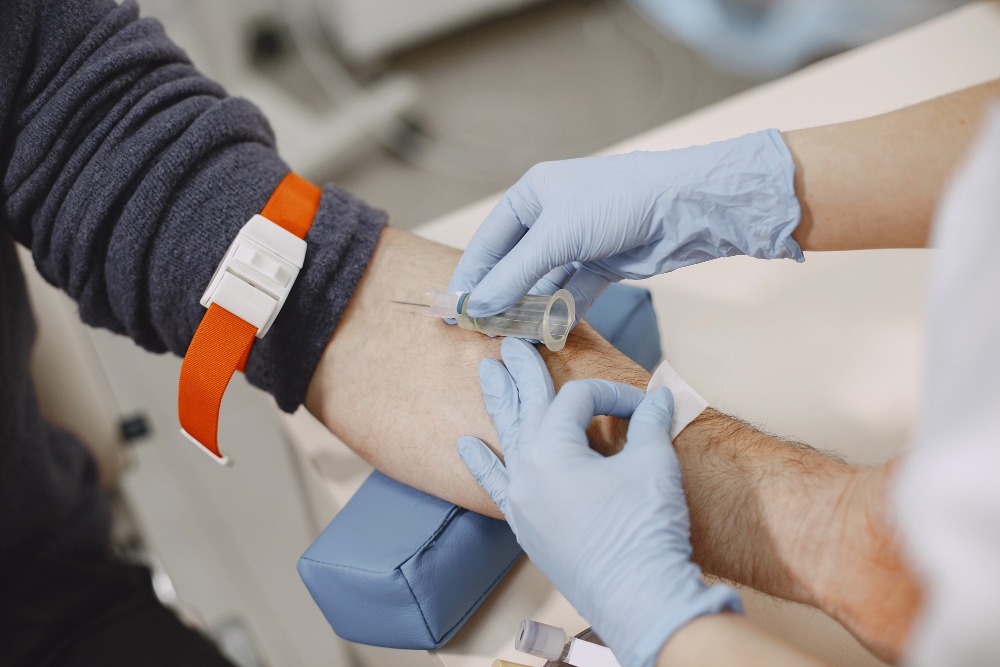
Urine tests and clinical evaluation ensure a precise diagnosis.
Step 3: Personalized Treatment Plan
We prescribe targeted antibiotics and supportive care based on your condition.
Step 4: Symptom Relief & Monitoring
We track your recovery and adjust treatment if needed.
Step 5: Prevention Strategy
We guide you on lifestyle changes to prevent recurrence.
Take control of your health today.
If you’re experiencing symptoms of a urinary tract infection, don’t ignore them.
Passion Health Physicians offer expert diagnosis, fast relief, and personalized treatment plans designed for long-term wellness.
Same-day appointments available
Trusted internal medicine specialists
Comprehensive UTI care
Book your appointment now and get fast, effective relief from UTI symptoms.
Final Thoughts
Understanding how to treat urinary tract infections is crucial for fast recovery and preventing complications.
Key Takeaways:
Antibiotics are the most effective treatment
Hydration supports recovery
Home remedies provide relief, not a cure.
Early medical care prevents serious complications.
UTIs are common—but with the right treatment and prevention strategies, they are highly manageable and treatable.