Key Takeaways
- Shamonda virus mainly affects livestock, but scientists have confirmed a human infection.
- France reported the first documented human Shamonda virus case in October 2026.
- Infected biting midges spread Shamonda virus among animals.
- Researchers have not yet established typical Shamonda virus symptoms in humans.
- Scientists have not documented human-to-human transmission.
- No specific human vaccine or antiviral treatment exists; insect-bite prevention remains sensible.
Medical News Update | October 23, 2026
A virus that once concerned mainly livestock farmers has recently attracted worldwide attention. On October 22, 2026, French health authorities announced the first documented human infection with the Shamonda virus.
Does the Shamonda virus affect only animals or humans too?
The answer has changed. Researchers previously associated the virus with animals, but the recent case confirms its ability to infect humans. However, scientists still lack enough evidence to understand its full impact on human health.
For families across North Texas, knowing the facts matters more than following alarming headlines.
What Is Shamonda Virus?
Understanding This Insect-Borne Virus
Shamonda virus (SHAV) belongs to a group of viruses called orthobunyaviruses. Scientists first discovered it in cattle in Nigeria in 1965.
For decades, researchers primarily studied its effects on livestock. Later investigations identified the virus in several regions of Africa and Asia.
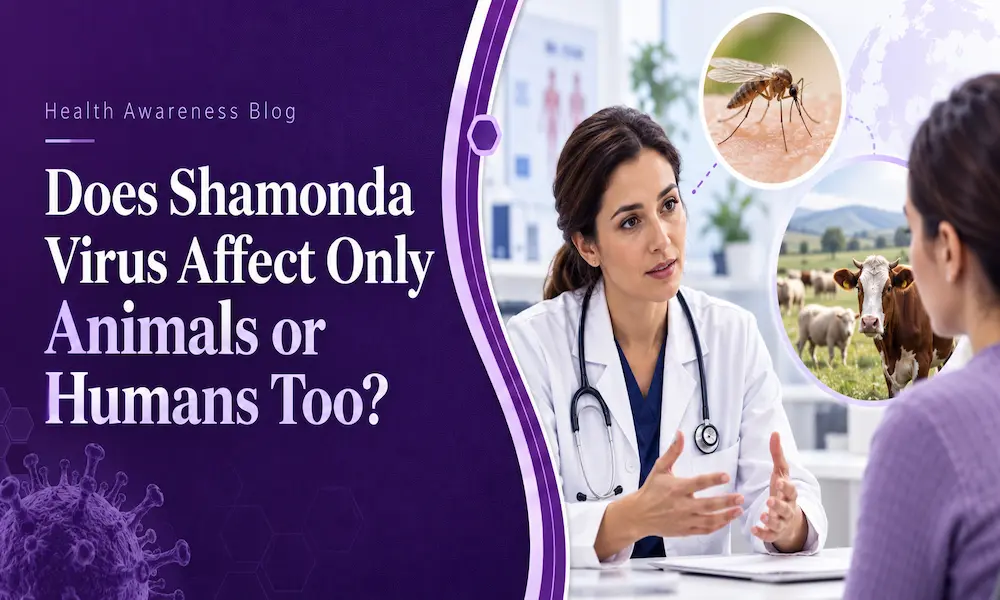
Small biting insects called Culicoides midges help spread the virus among animals. These insects feed on blood and can carry certain infections between hosts.
Although the Shamonda virus shares similarities with other animal viruses, scientists must study its specific characteristics before drawing conclusions about human illness.
Does Shamonda Virus Affect Animals or Humans?
What Scientists Have Confirmed
Shamonda virus affects animals and can also infect humans. However, animal infections remain far better understood than human infections.
Veterinary researchers have documented infections among cattle, sheep, goats, horses, and alpacas.
Until October 2026, health authorities had not documented a human infection. The newly reported case in France changed that understanding.
Still, one case cannot establish whether the virus commonly infects people, causes serious illness, or spreads efficiently among humans.
Researchers need additional evidence to answer these questions.
What Happened in the First Human Shamonda Virus Case?
France Reports a Historic Infection
On October 22, 2026, French authorities confirmed a Shamonda virus infection in a patient receiving medical care in Lyon.
The patient had a serious underlying illness and a severely weakened immune system. The patient died in early October.
Investigators continue to examine whether the virus caused or contributed to the death.
The European Centre for Disease Prevention and Control (ECDC) has also begun monitoring the situation and working with French authorities.
Why Does This Case Matter?
This discovery confirms that Shamonda virus can cross the animal–human infection barrier.
However, it does not prove that the virus spreads easily among people or routinely causes severe disease.
Scientists must examine further human infections, exposure patterns, and clinical findings before reaching broader conclusions.
What Are the Symptoms of Shamonda Virus?
Symptoms in Animals
Reduced milk production
Pregnancy loss
Developmental abnormalities in offspring
However, symptoms can vary among animal species and viral variants.
Symptoms in Humans
Doctors have not established a typical list of Shamonda virus symptoms in humans.
Therefore, researchers cannot determine how the virus might affect otherwise healthy people.
Fever, headaches, fatigue, and stomach problems have many possible causes. These symptoms alone do not indicate Shamonda virus infection.
How Does Shamonda Virus Spread?
Transmission Through Biting Midges
Shamonda virus primarily spreads among animals through bites from infected Culicoides midges.
A midge may acquire the virus while feeding on an infected animal and subsequently transmit it during another bite.
Researchers suspect that an insect bite may explain the first human infection. However, investigators have not confirmed the exact exposure route.
Can Humans Spread the Shamonda Virus to Other People?
Scientists have not documented human-to-human transmission.
Current evidence does not establish that coughing, touching, sharing meals, or ordinary contact spreads the Shamonda virus.
Researchers also lack evidence that routine contact with cattle directly transmits the virus to humans.
Nevertheless, ongoing studies will help clarify these uncertainties.
Is Shamonda Virus Dangerous to Humans?
Understanding the Current Risk
Scientists cannot yet determine how dangerous the Shamonda virus might become for humans.
The first case involved a severely immunocompromised patient, which limits conclusions about healthy individuals.
French public health authorities have not identified a risk to the general population based on available evidence.
However, people with weakened immune systems should continue following personalized infection-prevention advice from their healthcare providers.
Is Shamonda Virus Spreading in the United States?
What Americans Should Know
As of October 23, 2026, available public health reports do not identify an established human Shamonda virus outbreak in the United States.
The recent discoveries involve European livestock and one documented human infection in France.
Therefore, North Texas residents have no evidence-based reason to assume that the Shamonda virus currently poses a widespread local threat.
However, emerging viruses deserve continued scientific monitoring.
For American families, practical insect-bite prevention and reliable medical information remain sensible priorities.
How Can You Reduce Exposure to Biting Insects?
Simple Prevention Tips
Although researchers have not established specific human prevention guidelines for Shamonda virus, standard biting-insect precautions can help reduce exposure.
Wear protective clothing: Long sleeves, pants, and socks help reduce exposed skin.
Protect indoor areas: Fine-mesh screens can help keep tiny biting insects outside.
Adjust outdoor activities: Limit exposure when biting insects become especially active.
Review individual health risks: Ask your doctor about additional precautions if you have a weakened immune system.
These measures support general insect-bite protection. Scientists have not yet established their effectiveness against human Shadonna virus infection.
When Should You See a Primary Care Doctor?
Symptoms That Need Medical Attention
Persistent fever, unusual tiredness, headaches, or stomach problems deserve medical attention, especially after travel or insect bites. A primary care doctor can assess your symptoms and guide your next steps. Seek emergency care for seizures, sudden confusion, breathing difficulties, or loss of consciousness.
Does Shamonda Virus Have a Vaccine or Treatment?
What Medical Research Says
Currently, scientists have not established a human vaccine or a specific antiviral medication for the Shamonda virus.
Doctors would focus on evaluating symptoms, identifying possible causes, and providing appropriate supportive care.
Specialized infectious disease testing may become necessary in unusual circumstances.
Patients should avoid unproven treatments or online products that promise to cure emerging viral infections.
How Passion Health Supports Families Across North Texas
Primary Care and Preventive Health Services
Emerging health concerns highlight the importance of trusted medical advice.
At Passion Health, primary care providers help patients understand symptoms, manage chronic conditions, and make informed preventive healthcare decisions.
Passion Health serves North Texas communities through locations in Frisco, Irving, Plano, Prosper, Aubrey, McKinney, Flower Mound, Kaufman, Kemp/Seven Points, and Ennis
The care team offers family medicine, preventive health services, chronic disease management, and other primary care support.
While Passion Health does not advertise specialized Shamonda virus testing, its providers can help evaluate general health concerns and determine appropriate next steps.
Final Thoughts: Stay Informed and Protect Your Health
Shamonda virus primarily affects animals, but the first documented human infection confirms that people can also contract it.
However, scientists still need more evidence about human symptoms, transmission, and disease severity.
For most Americans, the best approach involves following reliable public health updates, practicing insect-bite prevention, and seeking medical advice when health concerns arise.
Your health deserves clear answers and personalized care.
Book an appointment at Passion Health Primary Care and take the next step toward better preventive health.
Frequently Asked Questions About Shamonda Virus
1. Does the Shamonda virus affect only animals?
No. France confirmed the first documented human infection in October 2026.
2. Can the Shamonda virus spread from animals to humans?
A biting midge may transmit the virus, but scientists have not confirmed the first patient’s exposure route.
3. What are Shamonda virus symptoms in humans?
Researchers have not established a typical human symptom pattern.
4. Is the Shamonda virus contagious between humans?
Scientists have not documented person-to-person transmission.
5. Is the Shamonda virus present in the USA?
Current reports do not identify an established human outbreak in the United States.
Lorem ipsum dolor sit amet, consectetur adipiscing elit. Ut elit tellus, luctus nec ullamcorper mattis, pulvinar dapibus leo.

About the Author
Dr. Anantha Chentha is a board-certified internal medicine physician with extensive experience in primary care and chronic disease management. He provides comprehensive, patient-centered care with a focus on prevention, accurate diagnosis, and long-term health management.
View Provider Profile →