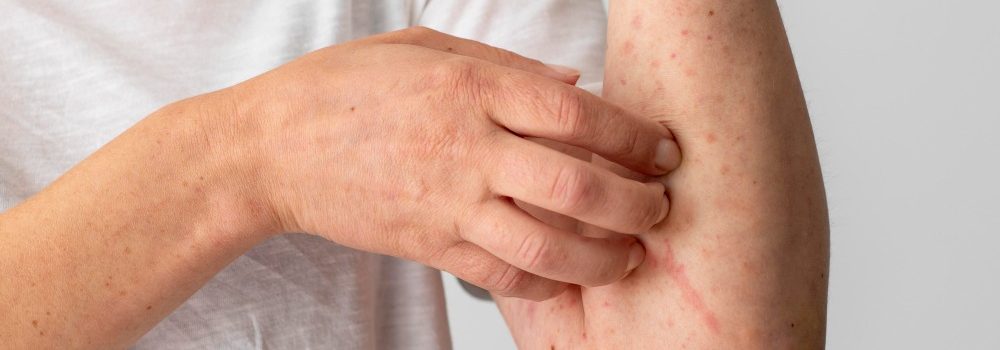
Despite its misleading name, ringworm has nothing to do with actual worms. It is a highly contagious fungal infection of the skin, hair, or nails that affects millions of people worldwide. In 2026, with the emergence of new, more resilient fungal strains, understanding how to identify, prevent, and effectively treat this condition is more important than ever.
In this comprehensive guide, we will dive deep into the world of ringworm (medically known as tinea), explore the latest treatment protocols, and explain how a PassionHealth physician can help you regain clear, healthy skin.
What is Ringworm? (Tinea Infections)
Ringworm is a dermatophytosis, an infection caused by fungi called dermatophytes. These microscopic organisms thrive on keratin, the protein found in your skin, hair, and nails. Because these fungi love warm, moist environments, they are common in tropical climates and frequently spread in gyms, locker rooms, and households.
The Different Types of Ringworm
Medical professionals categorize ringworm based on where it appears on the body:
Tinea Corporis: Ringworm of the body (trunk, arms, and legs).
Tinea Capitis: Ringworm of the scalp, common in children and often leading to patchy hair loss.
Tinea Pedis: Commonly known as Athlete’s Foot.
Tinea Cruris: Commonly known as Jock Itch.
Tinea Unguium (Onychomycosis): Fungal infection of the fingernails or toenails.
Tinea Barbae: Infection of the beard area.
Symptoms: How to Spot the “Ring”
The hallmark of a ringworm infection is a circular, red, itchy rash with a clearer center, giving it the appearance of a ring. However, symptoms can vary depending on the location:
Skin: A scaly, ring-shaped patch that may be slightly raised. On darker skin tones, the patch may appear brown or gray rather than red.
Scalp: Scaly, red, itchy bald spots. In severe cases, a painful, fluid-filled swelling called a kerion may develop.
Feet: Peeling, cracking, and burning between the toes or on the soles.
Nails: Thickening, discoloration (yellow or white), and brittleness.
Important Note: In 2026, health officials have noted an increase in antifungal-resistant ringworm. If a rash is spreading rapidly or not responding to standard creams, it is vital to seek professional medical advice immediately.
How Does Ringworm Spread?
Ringworm is exceptionally “sticky”—it spreads through direct and indirect contact:
Human-to-Human: Skin-to-skin contact with an infected person.
Animal-to-Human: Petting infected dogs, cats, or even farm animals like cows.
Object-to-Human: Sharing towels, combs, bedding, or sports gear.
Environment-to-Human: Walking barefoot in public showers or locker rooms.
Modern Treatment Options for 2026
Treatment depends on the location and severity of the infection. Most mild cases are managed with antifungal medications that inhibit the growth of the fungus.
1. Topical Treatments (Creams and Sprays)
For localized skin infections like athlete’s foot or small patches on the body, over-the-counter (OTC) or prescription creams are the first line of defense. Common active ingredients include:
Clotrimazole (Lotrimin)
Terbinafine (Lamisil)
Ketoconazole
Miconazole
2. Oral Medications
If the infection involves the scalp (Tinea Capitis) or the nails, topical creams cannot penetrate deep enough. In these cases, a physician will prescribe oral antifungal tablets such as:
Terbinafine: Often the gold standard for nail and skin infections.
Griseofulvin: Frequently used for scalp infections in children.
Itraconazole: Used for more stubborn or widespread cases.
3. The Danger of Steroids
A common mistake is applying corticosteroid creams (like hydrocortisone) to a ringworm rash. While steroids may temporarily reduce itching, they actually suppress the skin’s immune response, allowing the fungus to grow deeper and spread further. This can lead to a condition called tinea incognito, where the rash loses its typical ring shape and becomes much harder to treat.
Prevention: Keeping the Fungus at Bay
Preventing ringworm is all about hygiene and moisture control:
Keep it Dry: Fungi love moisture. Dry yourself thoroughly after showering, especially in skin folds and between toes.
Don’t Share: Keep your towels, razors, and hairbrushes to yourself.
Wear Shoes: Use flip-flops in public pools and gym showers.
Pet Checks: If your pet has patches of missing fur, take them to the vet.
Laundry: Wash infected bedding and clothes in hot water to kill fungal spores.
Why Professional Diagnosis Matters
While OTC creams work for many, self-diagnosis can be tricky. Ringworm is often confused with psoriasis, eczema, or even Lyme disease. Furthermore, the rise of resistant strains like Trichophyton indotineae means that standard treatments may fail. A physician can perform a KOH skin scraping—a simple test where skin cells are examined under a microscope—to confirm the presence of fungus and ensure you aren’t using the wrong medication.
Expert Care: How PassionHealth Physicians Treat You
When it comes to persistent or complex skin infections, a generalized approach often isn’t enough. At PassionHealth, our physicians treat you with a comprehensive, patient-centered strategy that goes beyond just writing a prescription. Every PassionHealth physician starts with a thorough diagnostic evaluation to identify the specific strain and severity of the infection. They prioritize antimicrobial stewardship, ensuring that you receive the most effective treatment—whether it’s a specialized topical regimen or a targeted oral antifungal—while monitoring for potential side effects and resistance. By combining advanced medical expertise with personalized preventive education, a PassionHealth physician ensures that your infection is cleared completely and provides you with the tools to prevent future recurrence, supporting your long-term skin health and overall wellness Book an appointment to get best care treatment.