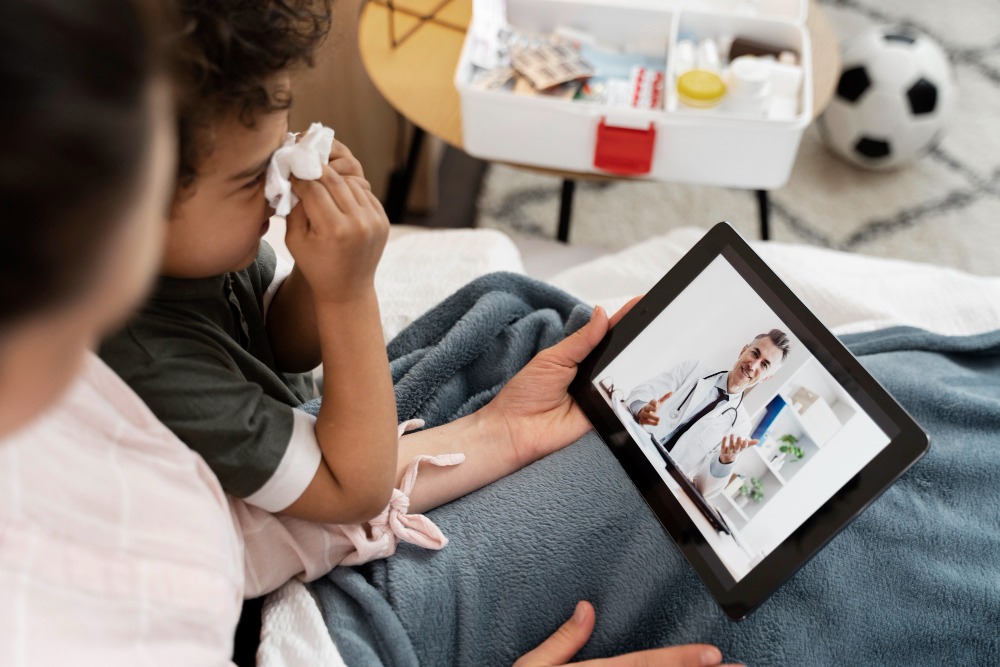
Pediatric Illnesses: Symptoms, Causes, Treatment & Prevention Guide
Children experience rapid physical, emotional, and immune system development, which makes them more vulnerable to infections and certain medical conditions. Pediatric illnesses range from mild, temporary infections to chronic disorders that require long-term care. Because children may not always be able to describe their symptoms clearly, early recognition and timely medical attention are essential.
With regular pediatric checkups, preventive care, and parental guidance, most childhood illnesses can be treated effectively and prevented. This comprehensive guide explains common pediatric illnesses, their symptoms, causes, diagnosis, treatment options, prevention strategies, and long-term care.
Understanding Pediatric Health
Pediatric health focuses on medical care for infants, children, and adolescents. Children’s immune systems are still developing, which makes them more susceptible to infections. Growth, nutrition, emotional development, and environmental factors also play important roles in childhood wellness.
Early medical care supports healthy development and prevents complications later in life.
Common Pediatric Illnesses
Many childhood conditions are commonly treated in primary care and pediatric clinics.
Common Cold and Flu
Respiratory infections are very common in children, especially in school settings.
Ear Infections (Otitis Media)
Ear infections cause ear pain, fever, and irritability and are frequent in young children.
Asthma
A chronic condition that causes wheezing, coughing, and breathing difficulty.
Allergies
Includes food allergies, seasonal allergies, and skin allergies.
Gastrointestinal Infections
Stomach viruses cause vomiting, diarrhea, and dehydration.
Skin Conditions
Includes eczema, diaper rash, and fungal infections.
Tonsillitis and Strep Throat
Throat infections causing pain, fever, and difficulty swallowing.
Growth and Development Disorders
Delays in physical, speech, or cognitive development.
Attention-Deficit/Hyperactivity Disorder (ADHD)
Affects focus, behavior, and learning.
Childhood Obesity
Increases risk of diabetes and heart disease later in life.
Causes and Risk Factors
Pediatric illnesses develop due to various factors.
Common Causes Include:
Exposure to infections at school or daycare
Immature immune system
Environmental allergens
Family history
Lack of vaccinations
Poor hygiene habits
Secondhand smoke exposure
Stress
Understanding risk factors helps in prevention.
Symptoms of Childhood Illnesses
Symptoms vary by age and condition.
Common Symptoms Include:
Infants may show symptoms through excessive crying or feeding difficulties.
Warning Signs That Require Immediate Medical Attention
Seek urgent care if your child experiences:
High fever (over 102°F / 39°C)
Difficulty breathing
Persistent vomiting
Seizures
Unusual drowsiness
Blue lips or skin
Stiff neck
Sudden behavior changes
These may indicate serious illness.
Diagnosis and Medical Evaluation
Pediatric diagnosis involves age-appropriate assessment.
Diagnostic Methods Include:
Growth and development assessment
Blood tests
Urine tests
Throat swabs
Imaging studies
Developmental screenings
Accurate diagnosis ensures proper treatment.
Treatment Options for Pediatric Illnesses
Treatment is tailored to age, weight, and condition.
Medications
Doctors may prescribe:
Fever reducers
Antibiotics (for bacterial infections)
Inhalers for asthma
Allergy medications
Antiviral drugs
Topical treatments
Parents should never give adult medications to children.
Home Care and Supportive Treatment
Many mild illnesses improve with home care:
Adequate rest
Balanced meals
Warm fluids
Humidifiers
Gentle nasal suction (for infants)
Parental monitoring is essential.
Management of Chronic Childhood Conditions
Long-term conditions require ongoing care:
Asthma action plans
ADHD management programs
Nutrition counseling
Physical therapy
Behavioral therapy
Educational support
Team-based care improves outcomes.
Complications of Untreated Pediatric Illnesses
Without proper care, childhood illnesses may cause serious problems.
Possible complications include:
Dehydration
Delayed growth
Learning difficulties
Chronic lung disease
Recurrent infections
Hearing loss
Emotional distress
Hospitalization
Early treatment prevents long-term effects.
Growth, Development, and Monitoring
Monitoring development is central to pediatric care.
Key components include:
Height and weight tracking
Developmental milestones
Vision and hearing screening
Behavioral assessments
Nutrition evaluation
Mental health screening
Routine monitoring ensures healthy development.
Prevention of Pediatric Illnesses
Prevention is the foundation of child health.
Preventive Strategies Include:
Vaccinations
Hand hygiene education
Physical activity
Adequate sleep
Safe play environments
Limiting screen time
Avoiding secondhand smoke
Prevention reduces illness frequency.
Special Considerations for High-Risk Children
Some children need closer monitoring:
Premature infants
Children with chronic disease
Immunocompromised children
Children with disabilities
Underweight or overweight children
These children require personalized care plans.
When to See a Pediatrician
Contact a healthcare provider if your child has:
Persistent fever
Breathing problems
Poor feeding
Recurrent infections
Developmental delays
Chronic cough
Behavioral concerns
Sleep problems
Early care supports better outcomes.
How Primary Care Supports Pediatric Health
Primary care providers play a vital role in child wellness. They provide:
Well-child visits
Vaccinations
Developmental screening
Acute illness treatment
Chronic disease management
Parent education
Specialist referrals
Long-term relationships improve child health.
Our Commitment to Children’s Health
At Passion Health Primary Care, we are dedicated to providing compassionate, family-centered pediatric care. Our medical team focuses on prevention, early diagnosis, and personalized treatment to help children grow into healthy, confident adults.
We partner with parents to support every stage of childhood development.
Frequently Asked Questions (FAQ)
How often should children visit the doctor?
At least once a year, plus regular well-child visits for infants.
Are frequent colds normal?
Yes. Young children may have 6–8 colds per year.
When should I worry about fever?
If it is high, persistent, or accompanied by other symptoms.
Can children take supplements?
Only if recommended by a doctor.
How important are vaccines?
Extremely important for preventing serious diseases.