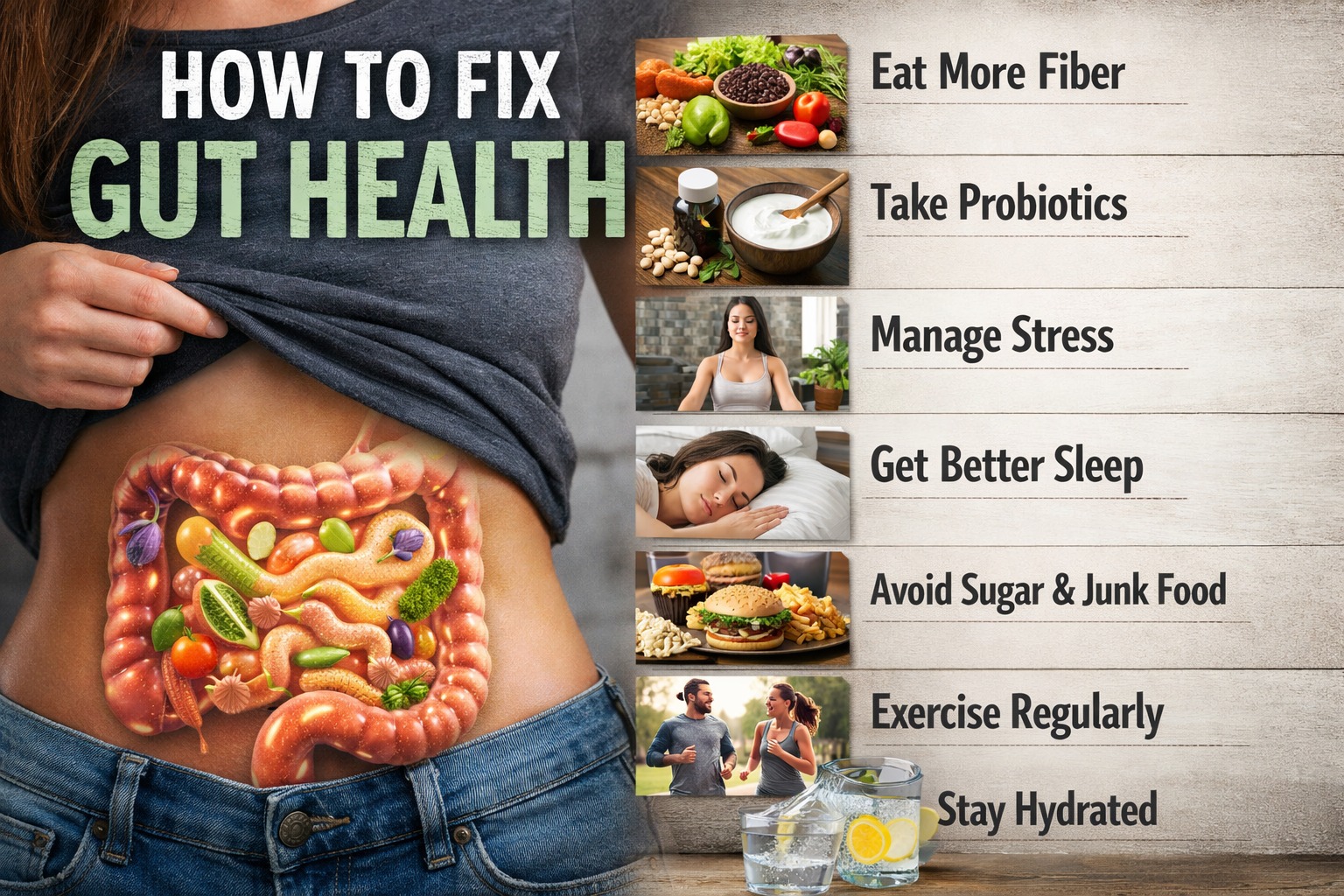

Your Gut Could Be Wrecking Your Health — Here’s How to Fix It Naturally (12 Proven Tips)
Introduction: Is Your Gut Secretly Making You Sick?
Do you ever feel constantly bloated, tired, or moody even when you think you’re eating “healthy”? Here’s the scary truth: poor gut health can silently sabotage your energy, immunity, and even your mental well-being. Many patients don’t realize that issues like brain fog, skin breakouts, and stubborn weight gain often start in the gut.
Here’s the truth most people don’t realize: all of those symptoms may be coming from the same place, your gut.
Poor gut health doesn’t just cause digestive discomfort. It can be linked to conditions like diabetes, fatty liver disease, autoimmune disorders, and mental health issues. Your gut is quietly affecting your energy, your immunity, your skin, and even your mood — every single day.
At Passion Health Primary Care, our physicians work with patients every day who are surprised to learn that so many of their health complaints trace back to gut health. You don’t have to figure it out alone.
Concerned about your symptoms? Book an appointment with Passion Health Primary Care today and get a personalized gut health assessment.
What Is Gut Health and Why Does It Matter So Much?
Your gut is home to trillions of bacteria, fungi, and microorganisms that make up your gut microbiome. This community of bacteria influences everything from digestion and immunity to mood and blood sugar levels.
When your microbiome is balanced, your body thrives. When it’s out of balance, a condition called dysbiosis, the effects ripple through your entire system.
Common signs of a struggling gut include bloating, irregular bowel habits, low energy, brain fog, skin issues, and frequent colds.
If you’ve been brushing these symptoms off as “just stress” or “getting older,” it’s time to take a closer look.
Early Warning Signs Your Gut Health Is Off
Watch for these red flags:
Frequent bloating, gas, or cramping after meals
Constipation, diarrhea, or alternating between both
Chronic fatigue or brain fog that won’t lift
Skin issues like acne, eczema, or unexplained rashes
Mood swings, anxiety, or low motivation
Food intolerances that seem to be multiplying
Getting sick more often than you used to
Unintentional weight changes
Many people normalize digestive discomfort — but doing so delays diagnosis and treatment, and these symptoms may indicate conditions like IBS, ulcers, fatty liver disease, or inflammatory bowel disease.
Not sure if these symptoms apply to you? Don’t guess — talk to a doctor. Schedule a visit with Passion Health Primary Care and get answers.
Why a Damaged Gut Is More Dangerous Than You Think
Your gut does far more than digest food. The gut-brain axis is a bidirectional connection between the central and enteric nervous systems, linking emotional and cognitive centers of the brain with intestinal function. That means what happens in your gut directly affects your mind and vice versa.
The gut microbiota heavily influences the production of serotonin and dopamine, the neurotransmitters that regulate mood, motivation, and gastrointestinal motility.
Research shows that people with diverse, healthy gut bacteria tend to have better metabolic health, including more stable blood sugar levels, improved insulin sensitivity, and reduced inflammation. Left unaddressed, poor gut health can quietly progress into chronic conditions that are much harder to reverse. Early action is everything.
12 Proven Natural Ways to Fix Gut Health
Here’s how to fix gut health naturally — starting today. These 12 tips are straightforward, science-backed, and patient-friendly.
1. Eat Whole, Unprocessed Foods First
The single most impactful thing you can do is clean up your diet. According to Healthline’s evidence-based guide on improving digestion naturally, everyone experiences occasional digestive symptoms — but frequent issues often point to diet as a root cause. Whole foods give your gut the fiber, vitamins, and prebiotics it needs to function properly.
Prioritize vegetables, fruits, legumes, nuts, and whole grains at every meal.
2. Increase Your Fiber Intake — Seriously
Fiber is now recognized as a functional ingredient tied to gut balance, fullness, and metabolic health — and “fibermaxxing,” the trend focused on increasing fiber intake for overall wellness, has officially gone mainstream heading into 2026. Healthline
Yet only about 7% of American adults hit the daily recommended fiber target. Start with 25–30 grams per day and work your way up.
3. Add Fermented Foods to Your Daily Plate
Fermented foods like yogurt, kefir, sauerkraut, and kimchi are rich in probiotics that support a balanced gut microbiome. These live cultures replenish your beneficial bacteria and crowd out the harmful ones.
Aim for at least one serving of fermented food per day.
4. Drink More Water (and Less of Everything Else)
Water helps break down food, allows nutrients to be absorbed more efficiently, and keeps stool soft to support regular bowel movements and reduce the risk of constipation. Most Americans are chronically dehydrated. Aim for at least 8 cups of water daily, and cut back on alcohol and excessive caffeine, both of which irritate the gut lining.
5. Move Your Body Every Day
Moderate movement, like a 30-minute walk, shifts your gut composition toward anti-inflammatory bacterial strains.
You don’t need an intense gym routine. A daily walk after meals is one of the most underrated natural fixes for gut health — and it works.
6. Tame Your Stress (Your Gut Feels Every Bit of It)
Stress and gut health are closely connected through the gut-brain axis — high stress levels can alter gut motility, increase inflammation, and worsen conditions like IBS and acid reflux. Daily practices like mindfulness meditation, deep breathing, or even a relaxing hobby can meaningfully reduce this stress response and give your gut room to heal.
7. Prioritize Deep, Consistent Sleep
Studies show that a lack of sleep increases cortisol levels, which can directly affect the composition and health of your gut microbiome.
And there’s a two-way relationship here: poor sleep can impact digestive health by increasing the risk of obesity, type 2 diabetes, and gastrointestinal diseases. Aim for 7–9 uninterrupted hours each night.
8. Eat Mindfully and Chew Thoroughly
This one sounds almost too simple, but it works. Digestion begins in your mouth, not your stomach. Chewing thoroughly triggers enzyme release and eases the workload on your digestive tract.
Eat slowly, put your fork down between bites, and stop when you’re full — not stuffed. According to Healthline’s guide on natural digestion improvement, mindful eating and listening to hunger cues can significantly reduce bloating and digestive discomfort.
9. Cut Back on Ultra-Processed Foods
Highly processed foods, excess sugar, and artificial additives disrupt gut bacteria and contribute to inflammation. This doesn’t mean you need to be perfect. But swapping out one processed snack a day for something whole, a piece of fruit, some nuts, plain yogurt makes a real cumulative difference.
10. Add Gut-Healing Herbs and Spices to Your Meals
Certain spices directly support digestive function. Turmeric reduces gut inflammation. Peppermint relaxes muscles in the digestive tract to ease bloating. Ginger speeds gastric emptying and reduces nausea. Cumin stimulates digestive enzyme production.
These aren’t trendy supplements; they’re time-tested, food-based tools for gut health improvement. Use them generously in your everyday cooking.
11. Eat on a Regular Schedule
Your gut runs on a rhythm. Research suggests that the timing of meals can significantly impact metabolic health, with early-day eating patterns showing more consistent benefits on glucose regulation and digestive function.
Irregular meal times confuse your digestive system and disrupt enzyme release. Set consistent mealtimes and stick with them; your gut will thank you.
12. Stop Normalizing Digestive Symptoms: Get Checked
This is the most important tip of all. Starting the year with a digestive health assessment can identify hidden issues early. blood tests, imaging, stool tests, or endoscopy may be advised based on symptoms and risk factors
Preventive care is always less costly financially and physically than treating a condition that’s been ignored for years.
When Should You See a Doctor About Your Gut?
Natural tips are powerful, but some symptoms need professional evaluation. See a doctor if you experience:
Blood in your stool or black, tarry stools
Unexplained weight loss of 10+ pounds
Severe abdominal pain that doesn’t pass
Chronic diarrhea or constipation lasting more than 3 weeks
Persistent nausea or vomiting
Symptoms that keep returning despite dietary changes
At Passion Health Primary Care, our physicians take a whole-body approach to gut health. We don’t just treat symptoms — we investigate what’s driving them, run appropriate diagnostics, and build a personalized care plan around your life and your health goals.
How Passion Health Diagnoses and Treats Gut Issues
Our physicians may recommend:
Comprehensive blood panels to check for inflammation, deficiencies, and metabolic markers
Stool testing to analyze your microbiome balance and screen for infections
Imaging if structural issues are suspected
Dietary counseling tailored to your specific symptoms and triggers
Referrals to GI specialists when deeper investigation is needed
Medication management for conditions like IBS, GERD, or inflammatory bowel disease
Take Control of Your Gut Health Today
Your body has been sending you signals. Bloating, fatigue, brain fog, skin issues, mood changes — these are not random. They are your gut telling you it needs help.
The natural tips in this guide are a powerful starting point. But there’s no substitute for a professional evaluation that gets to the root of what’s actually happening in your body.
Don’t ignore early warning signs. Book your appointment with Passion Health Primary Care today and take real, lasting control of your gut health and your overall wellbeing.
Frequently Asked Questions (FAQs)
Q: How long does it take to fix gut health naturally?
Most people notice meaningful improvements in 2–4 weeks when they make consistent changes to diet, hydration, sleep, and stress. Deeper healing of the microbiome can take 3–6 months. The key is consistency, not perfection.
Q: What is the fastest way to improve gut health?
The fastest results typically come from combining dietary changes (more fiber, fermented foods, less processed food) with stress reduction and better sleep — all at once. A personalized evaluation from your doctor can accelerate this further.
Q: Can poor gut health cause anxiety and depression?
Yes. The gut microbiota heavily influences serotonin and dopamine production — neurotransmitters that regulate mood and motivation. Many patients find their mental health improves significantly once they address underlying gut issues.
Q: Is it normal to have bloating every day?
Daily bloating is common, but it is not normal. It’s a signal that something in your digestive system needs attention — whether that’s food intolerances, gut bacteria imbalance, or a more significant condition. A doctor can help identify the cause.
Q: When should I see a doctor instead of trying home remedies?
If your symptoms are severe, persistent (lasting more than 3 weeks), or include blood in your stool, significant weight loss, or intense pain — see a doctor promptly. Don’t rely on home remedies alone for symptoms that could indicate a serious condition.