The Ultimate Guide to Home Treatment for Knee Joint Pain
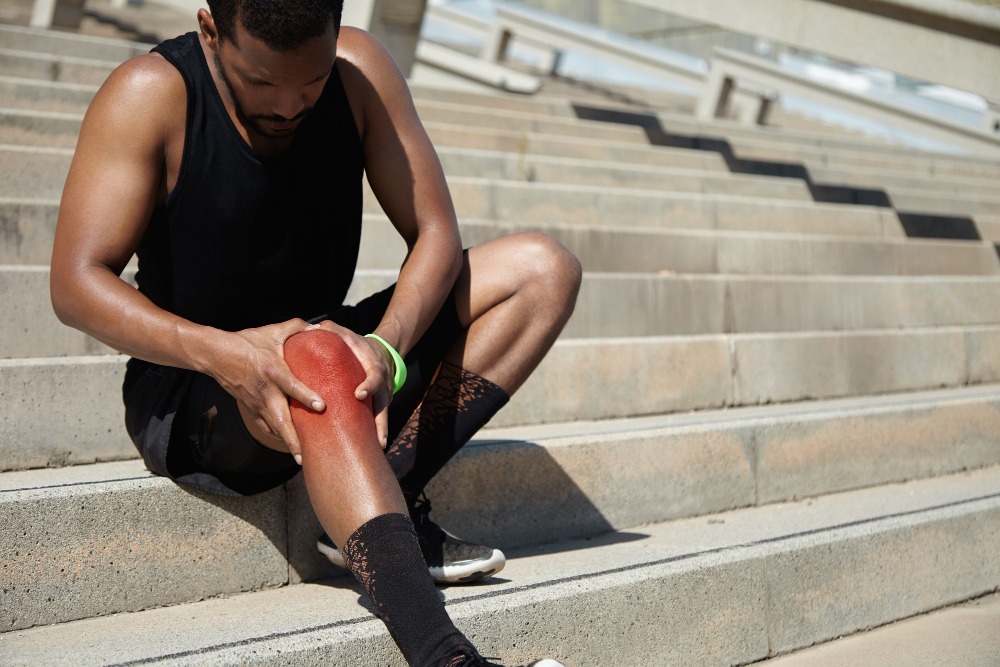
Knee pain is one of the most common physical complaints, affecting millions of people. Whether it stems from an old sports injury, the onset of arthritis, or simply the wear and tear of daily life, that nagging ache or sharp twinge can significantly impact your mobility and quality of life.
The good news is that if you are dealing with mild to moderate discomfort, effective home treatment for knee joint pain can provide significant relief. From simple lifestyle adjustments to targeted exercises, your body often has the tools it needs to heal and manage discomfort.
However, it’s crucial to know the difference between a minor ache that will resolve with rest and a sign of a deeper issue. This guide will walk you through safe, evidence-informed home remedies to help you find relief and outline when it’s time to seek professional guidance from the experts at Passion Health Physician.
Understanding Your Knee Pain
Before diving into remedies, it’s helpful to understand the “why.” Knee pain often falls into two categories:
- Acute Pain: Resulting from a sudden injury like a twist, fall, or sprain. This is often accompanied by immediate swelling or bruising.
- Chronic Pain: Developing over time, often due to overuse, arthritis, or mechanical issues like patellofemoral pain syndrome (runner’s knee).
Most home remedies are excellent for managing acute minor injuries and the chronic symptoms of conditions like osteoarthritis. Let’s explore the most effective strategies you can start using today.
What Causes Knee Joint Pain?
Before starting treatment, it’s important to understand the root cause. Knee pain can occur due to:
- Ligament injuries (sprains or strains)
- Arthritis (especially osteoarthritis)
- Overuse or repetitive stress
- Muscle weakness or imbalance
- Excess body weight
In many mild to moderate cases, home treatment for knee joint pain can significantly reduce symptoms without the need for immediate medical intervention
1. The Gold Standard for Acute Injuries: The R.I.C.E. Method
If you’ve recently twisted your knee or taken a fall, the R.I.C.E. protocol is your first line of defense. This four-step method is designed to minimize initial swelling and inflammation, which is the body’s natural response to injury.
- Rest: Avoid activities that worsen pain
- Ice: Apply cold packs to reduce swelling
- Compression: Use a knee bandage for support
- Elevation: Keep your knee raised to reduce inflammation
This method is especially helpful after injuries and can quickly reduce swelling and pain.
2. The Power of Movement: Low-Impact Exercise
It might seem counterintuitive to move a painful joint, but for chronic knee pain, especially from osteoarthritis, resting too much can actually make things worse. Lack of movement leads to muscle weakness and joint stiffness, which can accelerate joint damage. The key is to engage in low-impact activities that strengthen the muscles supporting your knee without pounding the joint itself.
- Walking: A simple daily walk can improve circulation, strengthen your legs, and help manage weight.
- Swimming and Water Aerobics: The buoyancy of water supports your body weight, removing stress from your knees while allowing you to build strength and improve range of motion.
- Cycling: Whether on a stationary bike or a regular bicycle, cycling is a smooth, non-impact way to strengthen the quadriceps and hamstrings—the primary muscles that support your knees.
- Tai Chi and Yoga: These mind-body practices are excellent for improving balance, flexibility, and proprioception (your body’s awareness of its position in space). This can help prevent falls and improve your overall sense of well-being.
Aim for at least 30 minutes of low-impact exercise most days of the week. Listen to your body and choose an activity you enjoy, as you are more likely to stick with it.
3. Use Heat and Cold Therapy
Alternating heat and cold therapy is a powerful way to manage knee pain:
- Cold therapy: Reduces inflammation and swelling
- Heat therapy: Relaxes muscles and improves blood flow
Apply each for about 15–20 minutes depending on your symptoms. Cold is best for recent injuries, while heat works better for chronic stiffness .
4. Try Mind-Body Exercises like Tai Chi
Tai Chi is a gentle exercise that combines movement with breathing and relaxation. It can:
- Improve balance
- Increase joint flexibility
- Reduce chronic pain
Studies show it’s especially beneficial for people with knee arthritis.
5. Maintain a Healthy Weight
Excess weight puts additional pressure on your knees. In fact, even a small weight gain can significantly increase stress on the joint.
Losing weight can:
- Reduce knee strain
- Decrease inflammation
- Improve mobility
Maintaining a healthy weight is one of the most effective long-term solutions for knee pain
6. Use Natural Remedies for Pain Relief
Many people find relief using natural solutions as part of their home treatment for knee joint pain:
Ginger
- Contains anti-inflammatory compounds
- Can be consumed as tea or added to food
- Helps reduce arthritis-related pain
Herbal Ointments
- May include ingredients like cinnamon and sesame oil
- Provide topical pain relief
Willow Bark
- Known for natural anti-inflammatory properties
- Should be used cautiously after consulting a doctor
While these remedies may help, scientific evidence varies, so always use them carefully.
Home Remedies to Avoid
Not all treatments are effective. Some commonly used remedies like certain supplements (e.g., glucosamine) may not provide proven benefits and can sometimes cause side effects .
Always consult a healthcare provider before trying new supplements or alternative treatments.
When to Stop Home Treatment and See a Doctor
Home remedies are incredibly effective for managing mild, manageable pain. However, they are not a substitute for professional medical care. You should schedule an appointment with a physician if you experience any of the following:
- Severe pain that makes it impossible to put any weight on your leg.
- Significant swelling that appears suddenly, or a visible deformity in the joint.
- Signs of infection, such as the knee being red, hot to the touch, and accompanied by a fever.
- Instability, where your knee feels like it is going to “give out” or buckle.
- Persistent symptoms that do not improve with home treatment after a week or two, or that continue to get worse.
Why Early Treatment Matters
Ignoring knee pain can lead to:
- Chronic joint damage
- Reduced mobility
- Increased risk of arthritis
Early care—whether at home or with a physician—helps prevent long-term complications.
Passion Health Physician Guidance
At Passion Health Physician, we understand that persistent knee pain can hold you back from the life you love. While at-home strategies like the RICE method, gentle exercise, and weight management are excellent first steps, they are just the beginning of a journey toward true joint health.
Our experienced medical team at Passion Health Physicians:
- Identifies the root cause of your knee pain
- Provides personalized treatment plans
- Offers advanced therapies for lasting relief
- Guides you with safe exercises and lifestyle changes
We focus on preventive care and early intervention, helping you avoid complications and maintain an active, pain-free life.
Book Your Appointment Today
Don’t let knee pain limit your lifestyle.
Get expert care and personalized treatment at Passion Health Physicians
Start your journey toward pain-free movement
Book your appointment today and take control of your joint health
Final Thoughts
Managing knee pain doesn’t always require complex treatments. With the right approach, home treatment for knee joint pain can significantly improve your comfort and mobility.
From simple remedies like RICE Method and exercise to lifestyle changes and natural therapies, small steps can lead to big improvements.
However, if your pain persists, professional care is the key to long-term relief.