High cholesterol often has no symptoms until it leads to a heart attack or stroke, which is why regular checks matter.
The good news is that regular exercise can help lower cholesterol.
If your doctor has flagged rising cholesterol numbers, it is important to act. Low-density lipoprotein (LDL) is often called the bad cholesterol, and lowering it is a key goal.
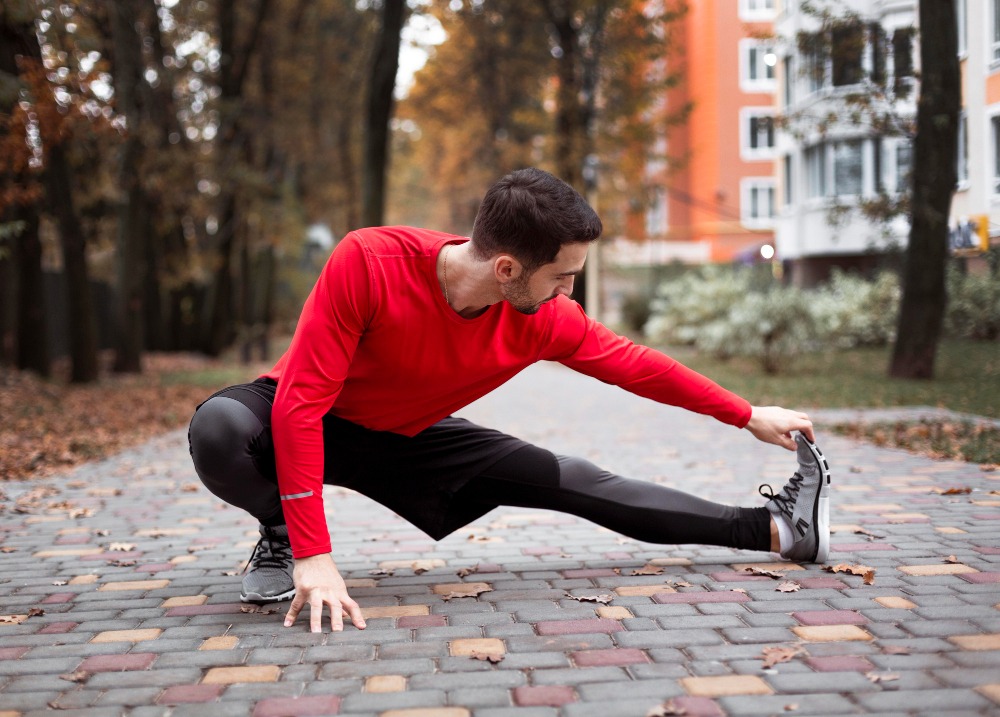
You can take steps today. Regular physical activity is one of the most useful habits for protecting your heart.
Why Lowering LDL Cholesterol Matters
Key takeaways
- Regular physical activity can help raise HDL (good cholesterol) and lower LDL (bad cholesterol) over time.
- Brisk walking, cycling, swimming, yoga, and interval training are all practical options for many people.
- Many guidelines suggest about 150 minutes of moderate activity each week, and short sessions still count.
- Consistency matters more than intensity alone, so choose an activity you can keep doing.
- Exercise works alongside medical care, so a lipid panel and physician review are important for your plan.
On this page
- Why Lowering LDL Cholesterol Matters
- Benefits of Exercise for Overall Health
- How Exercise Improves Heart Health
- Even Small Efforts Make a Difference
- Five Activities That Can Help Lower Cholesterol
- How Much Exercise Is Enough?
- Why Just 10 Minutes of Exercise Matters
- What Counts as Vigorous Exercise?
- Timing Your Workouts
- Find Your Fitness Level
- Choose an Activity You Enjoy
- Use Short Breaks to Stay Active
- Stay Active During Screen Time
- How Fast Will You See Results?
- Final Thoughts
Cholesterol is a fatty substance that travels through your blood. Your body needs it for hormones and vitamin D, but an imbalance can lead to a buildup of plaque in the arteries known as atherosclerosis.
Doctors call LDL the “bad” cholesterol because it sticks to your artery walls, narrowing the path for blood to reach your heart and brain.
Regular physical activity can help raise HDL, often called good cholesterol, which plays a role in removing excess LDL from the bloodstream.
Benefits of Exercise for Overall Health
Improves brain function and mental clarity
Helps achieve and maintain a healthy weight
Builds stronger bones and muscles
Supports the prevention and management of chronic diseases
Need care for this?
A Passion Health clinician can see you in person or online.

In person
Book an in-person visit with a Passion Health Primary Care provider to review your cholesterol numbers and create a plan that fits you. You can book at any of our locations.
Choose your clinic and clinician across North Texas
Book an appointment in person at Passion Health clinics
Online
Bring your recent lab results and a list of your current activity, medicines, and family history of heart disease to your visit. For non-emergency questions, you can get care online through Passion Health Online Care.
Adults 18 and older in Texas · Texas-licensed clinicians
Get the right care in a few steps
Blood work
Your clinician may order a lipid panel to measure your LDL and HDL levels and track your progress over time.
Essential Blood Work · $59
Get Passion Health Blood WorkHow Exercise Improves Heart Health
Strengthens the heart muscle for better performance
Enhances blood circulation and blood vessel function
Helps lower high blood pressure
Increases HDL (good cholesterol) levels
Reduces LDL (bad cholesterol) levels
Lowers inflammation in the body
Supports healthy blood sugar regulation
Improves oxygen delivery to tissues and organs
Promotes relaxation by balancing the nervous system
Even Small Efforts Make a Difference
Just 10 minutes of high-intensity activity daily can benefit heart health
Consistency matters more than long workout durations
Short, regular sessions can still reduce cardiovascular risk
Five Activities That Can Help Lower Cholesterol
Brisk Walking and Power Jogging
Brisk walking and jogging can support healthier cholesterol levels, and regular aerobic activity helps your body use oxygen more efficiently.
High-Energy Cycling
Cycling is an effective aerobic activity. It can be done on a stationary bike or outdoors, and it is easier on the knees than running for many people.
Swimming for Total Body Health
Swimming is a low-impact aerobic exercise that works many major muscle groups at once. It can also support healthy blood pressure and body weight.
Therapeutic Yoga
Yoga is more than stretching. Some research suggests that combined yoga and aerobic programs may help lower total cholesterol and body weight. Yoga can also reduce stress, which is linked to heart disease risk.
Interval Training for Maximum Efficiency
Interval training alternates high-effort bursts with recovery periods. Many people find it an efficient way to build fitness, and it may help the heart adapt over time.
How Much Exercise Is Enough?
Many guidelines suggest about 150 minutes of moderate activity per week, which can contribute to healthier cholesterol levels.
Longer sessions may support better HDL levels than very short efforts, although consistency matters most.
Many people aim for 30 to 45 minutes of moderate activity on most days of the week.
Why Just 10 Minutes of Exercise Matters
Ten minutes a day feels achievable for most people, making it easier to stay consistent.
Health experts recommend about 150 minutes of moderate activity or 75 minutes of intense exercise per week.
This equals a little over 20 minutes daily for moderate workouts or just 10 minutes for vigorous activity.
What Counts as Vigorous Exercise?
Raises your heart rate quickly
Increases breathing
Makes you sweat
Makes talking difficult without pausing for breath
Start small, stay consistent, and build intensity over time for lasting heart health benefits.
Timing Your Workouts
Some research suggests that exercise timing may influence heart health, although the evidence is still developing.
Morning exercise may align better with your body’s natural circadian rhythms and cortisol peaks, potentially enhancing metabolic efficiency.
Any exercise is beneficial. For some people, a morning routine is an easy way to stay consistent.
Find Your Fitness Level
Fitness levels vary from person to person
Even a brisk walk can raise heart rate when starting out
Estimate maximum heart rate as 220 minus your age
Aim for 70–80% of that range during intense workouts
Choose an Activity You Enjoy
Pick exercises that feel enjoyable to stay consistent
Increase intensity based on effort, not activity type
Example: cycling faster or choosing uphill routes boosts results
Use Short Breaks to Stay Active
Use lunch breaks for quick workouts
Even 2–10 minutes of movement improves blood sugar and heart health
Short walks after meals support metabolism
Stay Active During Screen Time
- Use TV breaks to move your body
- Try simple at-home exercises such as squats, jumping jacks, high knees, mountain climbers, and burpees
How Fast Will You See Results?
Many studies showing HDL changes used programs lasting 12 to 24 weeks. Some benefits, such as better blood sugar regulation, may appear sooner. Consistency remains the most important factor.
Final Thoughts
Lowering cholesterol does not require complex plans. The right exercise routine, done consistently, delivers real results.
Start small, stay consistent, and increase intensity gradually. The body responds quickly when given the right stimulus.
Your heart depends on the choices you make today.