Mental Health & Neurological Conditions: Symptoms, Causes, Treatment & Prevention Guide
Mental health and neurological conditions affect how people think, feel, behave, and function in daily life. These disorders can influence emotional well-being, memory, movement, sleep, and overall quality of life. While mental health conditions impact mood and behavior, neurological disorders affect the brain, spinal cord, and nervous system.
Both types of conditions are common and treatable with proper medical care, early diagnosis, and ongoing support. This comprehensive guide explains mental health and neurological disorders, their symptoms, causes, diagnosis, treatment options, prevention strategies, and long-term management.
Understanding Mental Health and Neurological Conditions
Mental health conditions involve changes in emotions, thinking patterns, and behavior that affect daily functioning. These disorders may be temporary or long-term.
Neurological conditions result from damage, dysfunction, or disease affecting the nervous system, including the brain and nerves.
Although different in nature, mental and neurological disorders often overlap. For example, depression may occur in people with Parkinson’s disease, and anxiety may worsen migraine symptoms.
Effective care requires a holistic approach that addresses both physical and emotional health.
Common Mental Health Conditions
Mental health disorders affect people of all ages and backgrounds.
Anxiety Disorders
Anxiety causes excessive worry, fear, restlessness, and physical symptoms such as rapid heartbeat and sweating.
Depression
Depression leads to persistent sadness, low energy, loss of interest, and difficulty concentrating.
Attention-Deficit/Hyperactivity Disorder (ADHD)
ADHD affects attention, impulse control, and activity levels in children and adults.
Bipolar Disorder
Bipolar disorder involves extreme mood changes, including manic and depressive episodes.
Post-Traumatic Stress Disorder (PTSD)
PTSD develops after traumatic experiences and may cause flashbacks, nightmares, and emotional distress.
Stress-Related Disorders
Chronic stress can lead to burnout, insomnia, anxiety, and physical illness.
Common Neurological Conditions
Neurological disorders affect nerve function and brain activity.
Migraines and Chronic Headaches
Migraines cause severe head pain, sensitivity to light, and nausea.
Epilepsy
Epilepsy is a seizure disorder caused by abnormal electrical activity in the brain.
Stroke
Stroke occurs when blood supply to the brain is disrupted, leading to sudden neurological damage.
Parkinson’s Disease
A progressive disorder affecting movement, balance, and coordination.
Alzheimer’s Disease and Dementia
These conditions cause memory loss, confusion, and cognitive decline.
Multiple Sclerosis (MS)
MS damages nerve coverings, affecting movement and sensation.
Peripheral Neuropathy
Nerve damage that causes numbness, tingling, and weakness.
Causes and Risk Factors
Mental and neurological conditions develop due to multiple interacting factors.
Common Causes Include:
Genetic predisposition
Brain chemistry imbalances
Trauma or emotional stress
Infections
Head injuries
Stroke
Chronic medical conditions
Substance abuse
Environmental toxins
Poor sleep habits
Many disorders result from a combination of biological, psychological, and social factors.
Symptoms of Mental and Neurological Disorders
Symptoms vary depending on the condition and severity.
Mental Health Symptoms
Persistent sadness
Excessive worry
Mood swings
Irritability
Difficulty concentrating
Loss of motivation
Sleep problems
Social withdrawal
Changes in appetite
Neurological Symptoms
Seizures
Tremors
Memory loss
Numbness
Balance problems
Speech difficulties
Vision changes
Warning Signs That Require Immediate Medical Care
Seek urgent medical attention if you experience:
Sudden confusion
Seizures
Sudden weakness
Slurred speech
Suicidal thoughts
Hallucinations
Severe behavioral changes
These may indicate medical emergencies.
Diagnosis and Medical Evaluation
Accurate diagnosis is essential for effective treatment.
Diagnostic Methods Include:
Detailed medical and psychological history
Physical and neurological examinations
Mental health screening tools
Brain imaging (MRI, CT scan)
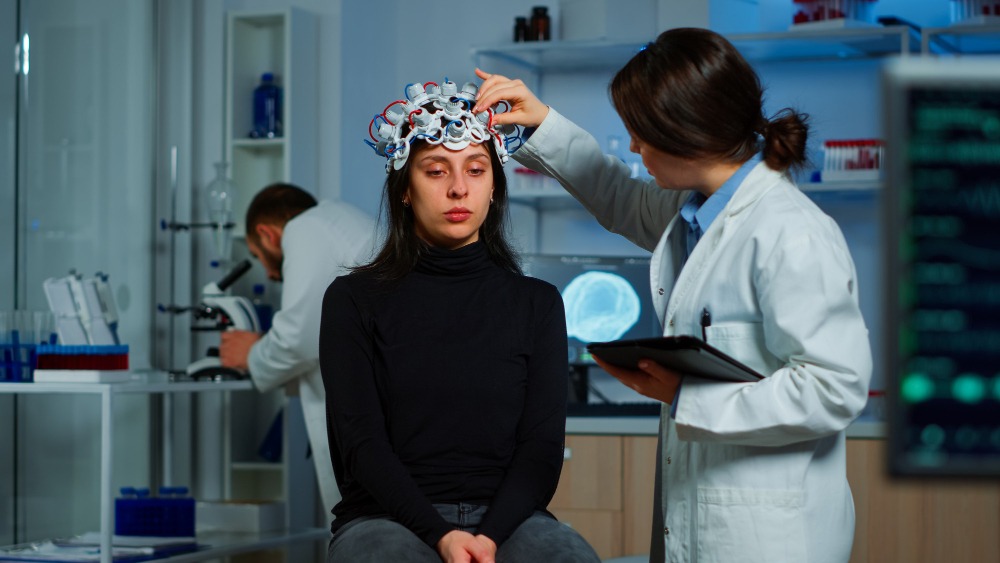
EEG (for seizures)
Cognitive testing
Sleep studies
Early diagnosis improves long-term outcomes.
Treatment Options for Mental Health and Neurological Conditions
Treatment plans are personalized and may involve multiple approaches.
Medications
Doctors may prescribe:
Antidepressants
Anti-anxiety medications
Mood stabilizers
Anti-seizure drugs
Parkinson’s medications
Pain management drugs
Medication adherence is essential for symptom control.
Therapy and Counseling
Psychological therapies are central to mental health care.
Common approaches include:
Cognitive Behavioral Therapy (CBT)
Talk therapy
Family therapy
Behavioral therapy
Stress management programs
Therapy helps patients develop coping skills and emotional resilience.
Lifestyle and Behavioral Management
Healthy habits play a major role in brain and emotional health.
Recommended practices include:
Regular exercise
Adequate sleep
Stress reduction techniques
Mindfulness and meditation
Avoiding alcohol and drugs
Maintaining social connections
These habits support both mental and neurological function.
Rehabilitation and Support Services
For neurological disorders, rehabilitation may include:
Physical therapy
Occupational therapy
Speech therapy
Cognitive rehabilitation
Support groups
These services improve independence and daily functioning.
Complications of Untreated Conditions
Without proper care, mental and neurological disorders may worsen over time.
Possible complications include:
Disability
Memory loss
Relationship problems
Job loss
Substance abuse
Hospitalization
Suicide risk
Reduced life expectancy
Early treatment significantly reduces these risks.
Long-Term Management and Monitoring
Most mental and neurological conditions require ongoing care.
Effective management includes:
Regular medical follow-ups
Medication adjustments
Therapy sessions
Symptom tracking
Lifestyle counseling
Family involvement
Preventive screenings
Long-term support improves stability and quality of life.
Prevention and Brain Health Promotion
Many mental and neurological conditions can be prevented or delayed.
Preventive Strategies Include:
Managing stress
Getting quality sleep
Exercising regularly
Protecting head from injury
Avoiding substance abuse
Controlling blood pressure and diabetes
Staying socially engaged
Attending routine checkups
Preventive care protects long-term brain health.
Special Considerations for High-Risk Individuals
Some people have increased vulnerability:
Older adults
Individuals with family history
People with chronic illnesses
Trauma survivors
Substance users
Those with limited social support
These individuals should receive early screening and ongoing care.
When to See a Doctor
Consult a healthcare provider if you experience:
Persistent sadness or anxiety
Memory problems
Frequent headaches
Behavioral changes
Sleep disturbances
Difficulty functioning at work or school
Seizures
Emotional distress
Seeking help early leads to better recovery.
How Primary Care Supports Mental and Neurological Health
Primary care providers play a vital role in early detection and long-term management. They provide:
Mental health screenings
Initial diagnosis
Medication management
Therapy referrals
Chronic disease monitoring
Preventive counseling
Specialist coordination
Integrated care ensures both physical and emotional well-being.
Our Commitment to Your Mental and Brain Health
At Passion Health Primary Care, we are committed to providing compassionate, confidential, and comprehensive care for mental health and neurological conditions. Our experienced providers focus on accurate diagnosis, personalized treatment, and ongoing support.
We believe mental and brain health are essential to overall wellness and quality of life.
Frequently Asked Questions (FAQ)
Are mental health conditions treatable?
Yes. Most conditions respond well to therapy, medication, or both.
Can neurological diseases be cured?
Some can be treated or controlled, while others require lifelong management.
Is therapy necessary with medication?
Often yes. Combining therapy and medication gives the best results.
Can lifestyle changes improve brain health?
Yes. Sleep, exercise, and diet strongly affect brain function.
When should I seek urgent help?
If you have suicidal thoughts, seizures, sudden weakness, or confusion, seek emergency care immediately.