High Blood Pressure Medications: What Patients Should Know
Introduction
High blood pressure (hypertension) affects nearly half of adults in the United States and is a major risk factor for heart disease, stroke, kidney disease, and other serious conditions. While lifestyle changes are important, many patients require medication to safely control their blood pressure.
At Passion Health Primary Care, high blood pressure management is one of the most common reasons patients visit our clinics. Patients often ask:
- Do I really need medication?
- Are blood pressure medications safe long term?
- Will I have side effects?
This guide explains how blood pressure medications work, the different types available, and how primary care physicians help choose the right treatment.
What Is High Blood Pressure?
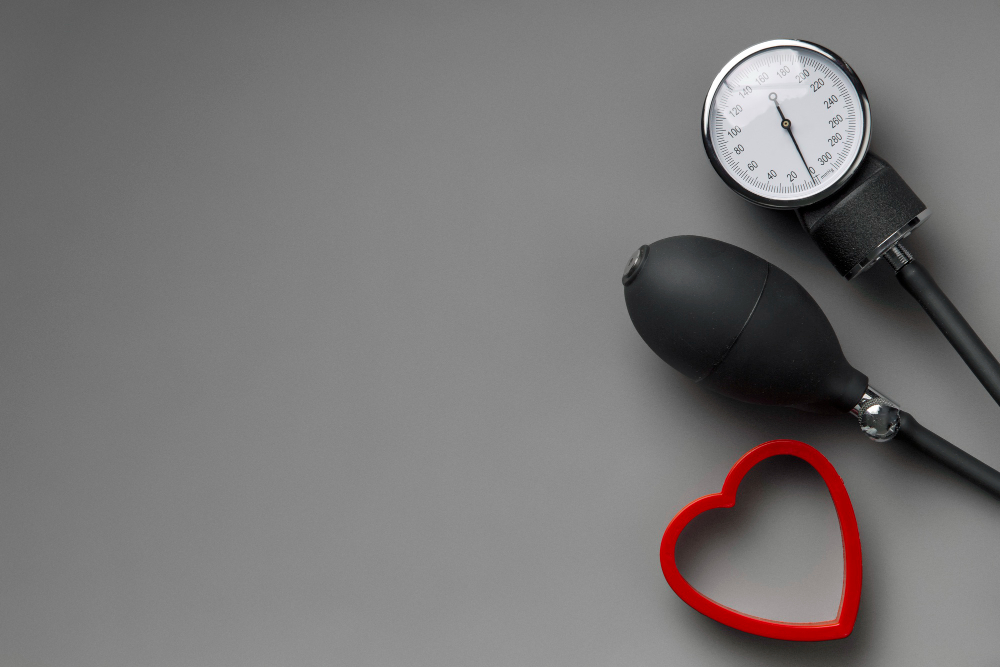
Blood pressure measures the force of blood pushing against artery walls. It is recorded as two numbers:
- Systolic (top number): pressure when the heart beats
- Diastolic (bottom number): pressure when the heart rests
High blood pressure often causes no symptoms, which is why it’s sometimes called the “silent killer.” Many patients only discover it during a routine primary care visit.
When Are Blood Pressure Medications Needed?
Not everyone with high blood pressure needs medication immediately. Primary care providers consider:
- Blood pressure readings over time
- Age and overall health
- Family history
- Presence of diabetes, kidney disease, or heart disease
- Response to lifestyle changes
At Passion Health Primary Care, treatment decisions are individualized, not one-size-fits-all.
Types of High Blood Pressure Medications
There are several classes of medications used to treat hypertension. Each works differently, and many patients benefit from a combination.
1. Diuretics (Water Pills)
Diuretics help the body remove excess sodium and fluid, reducing pressure in the blood vessels.
Common benefits:
- Effective first-line treatment
- Affordable
- Proven to reduce complications
Possible side effects:
- Increased urination
- Electrolyte changes
2. ACE Inhibitors
ACE inhibitors relax blood vessels by blocking hormones that cause tightening.
Often used for patients with:
- Diabetes
- Kidney disease
- Heart disease
Common considerations:
- Dry cough in some patients
- Requires monitoring through primary care
3. ARBs (Angiotensin II Receptor Blockers)
ARBs work similarly to ACE inhibitors but are often better tolerated.
Benefits include:
- Fewer side effects
- Good long-term blood pressure control
4. Calcium Channel Blockers
These medications prevent calcium from entering heart and blood vessel cells, helping vessels relax.
Helpful for:
- Older adults
- Certain heart rhythm conditions
5. Beta Blockers
Beta blockers reduce heart rate and the force of heart contractions.
Typically used when hypertension occurs with:
- Heart disease
- Arrhythmias
- Prior heart attack
Are Blood Pressure Medications Safe?
Yes — when prescribed and monitored correctly, blood pressure medications are very safe and effective.
At Passion Health Primary Care:
- Medications are started at appropriate doses
- Patients are monitored for side effects
- Adjustments are made as needed
- Labs and follow-ups ensure safety
Stopping medication without medical guidance can be dangerous.
Common Side Effects (And What to Do)
Some patients experience mild side effects, such as:
- Dizziness
- Fatigue
- Swelling in ankles
- Headaches
Most side effects can be managed by:
- Adjusting dosage
- Switching medications
- Improving hydration or diet
This is why ongoing primary care follow-up is essential.
Can Lifestyle Changes Replace Medication?
In some cases, yes — especially when high blood pressure is caught early.
Lifestyle strategies include:
- Reducing salt intake
- Regular exercise
- Weight management
- Stress reduction
- Limiting alcohol
However, many patients still require medication to protect long-term heart and kidney health. Primary care helps determine the safest path.
How Long Do You Need to Take Blood Pressure Medication?
For many people, blood pressure medication is long-term. This doesn’t mean failure — it means prevention.
Blood pressure often rises again if medication is stopped. Regular checkups allow providers to:
- Monitor progress
- Reduce medications if appropriate
- Prevent complications
How Passion Health Primary Care Manages High Blood Pressure
Our approach includes:
- Accurate blood pressure monitoring
- Education on home blood pressure checks
- Medication management
- Lifestyle counseling
- Ongoing follow-up visits
We focus on preventing heart attacks, strokes, and kidney disease — not just lowering numbers.
When Should You See a Primary Care Doctor?
Schedule a visit if you:
- Have high readings at home
- Have never had blood pressure checked
- Are experiencing dizziness or headaches
- Were prescribed medication but stopped taking it
- Want preventive care
Early treatment saves lives.
Thoughts
High blood pressure is common, manageable, and often silent. Blood pressure medications play a critical role in protecting long-term health when lifestyle changes alone are not enough.
At Passion Health Primary Care, we partner with patients to create safe, effective treatment plans tailored to their needs — helping them live healthier, longer lives.