
Why Is Endometriosis Difficult to Diagnose in Women?
Many women spend years searching for answers before receiving an endometriosis diagnosis. What starts as painful periods, bloating, fatigue, or pelvic discomfort often gets dismissed as “normal menstrual pain.” Over time, the symptoms can become severe enough to affect work, relationships, sleep, fertility, and daily life.
Endometriosis affects millions of women worldwide, yet diagnosis delays remain common. Some women wait seven to ten years before learning the true cause of their symptoms. The condition can mimic digestive disorders, bladder problems, hormonal issues, and other gynecological conditions, making diagnosis complicated.
Understanding why endometriosis is difficult to diagnose can help women recognize warning signs earlier and seek proper medical care before complications develop.
If pelvic pain, heavy periods, or unexplained fatigue continue to interfere with daily life, consider speaking with the team at Passion Health Primary Care and book an appointment for a professional evaluation.
What Is Endometriosis?
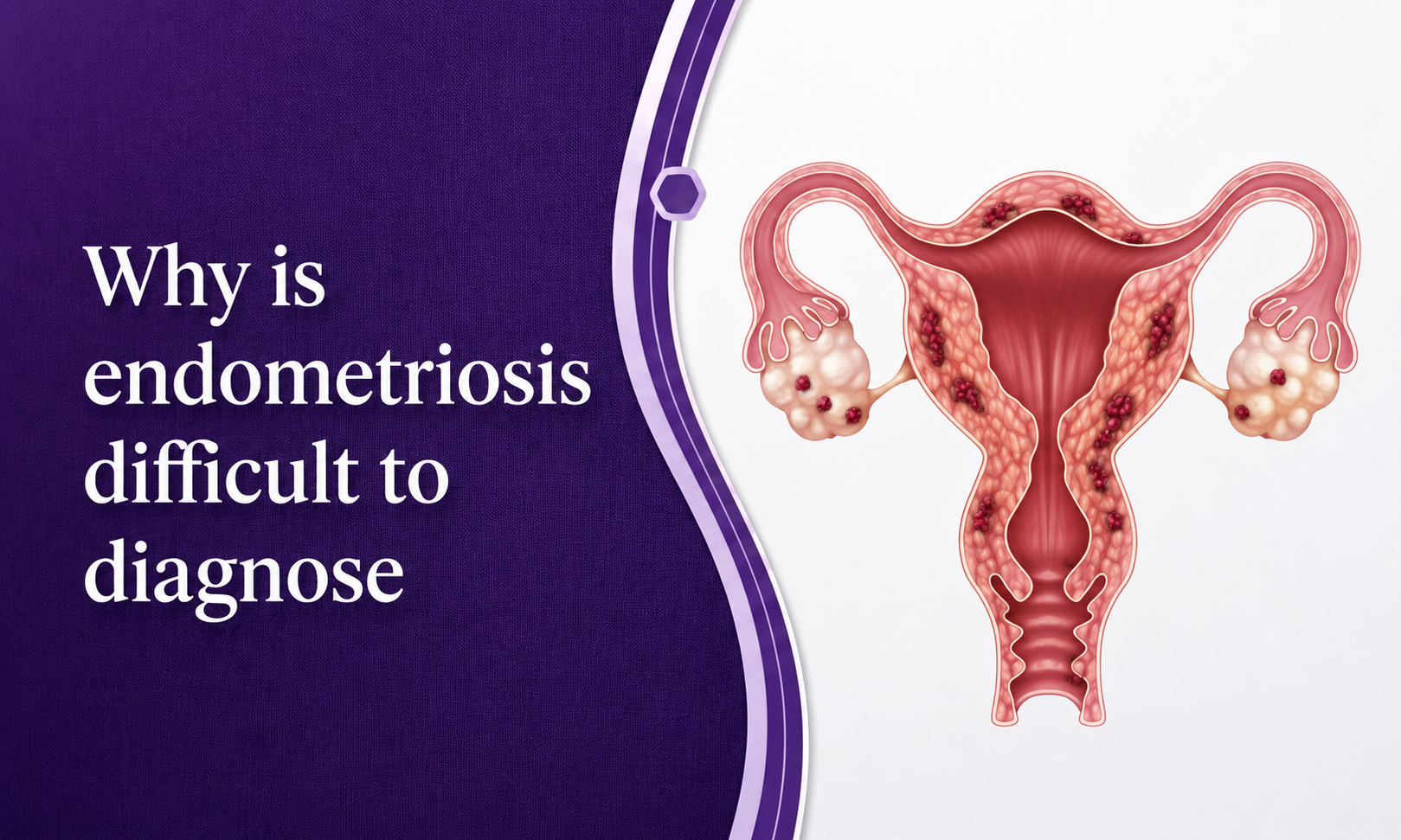
Endometriosis occurs when tissue similar to the lining of the uterus grows outside the uterus. These growths may appear on the ovaries, fallopian tubes, bladder, bowel, pelvic lining, or surrounding organs.
During each menstrual cycle, this tissue responds to hormonal changes just like the uterine lining. It thickens, breaks down, and bleeds. However, unlike normal menstrual blood, the trapped tissue outside the uterus cannot be properly expelled from the body. This process may lead to:
Chronic inflammation
Scar tissue formation
Adhesions
Pelvic pain
Fertility problems
The severity of symptoms does not always match the stage of disease. Some women with mild endometriosis experience severe pain, while others with advanced disease may notice only mild symptoms.
Why Endometriosis Is Difficult to Diagnose
Several factors contribute to delayed diagnosis. The condition often hides behind symptoms that resemble many other health problems.
1. Symptoms Often Look Like Normal Period Pain
One of the biggest reasons for delayed diagnosis involves normalization of menstrual pain. Many women grow up hearing that painful periods are “part of being a woman.” Because of this belief, women may ignore symptoms for years.
Common symptoms include:
Severe menstrual cramps
Pelvic pain
Pain during intercourse
Heavy bleeding
Fatigue
Lower back pain
Painful bowel movements
Bloating
Nausea
These symptoms often become worse during menstruation, but some women experience pain throughout the month.
When pain repeatedly disrupts school, work, exercise, or sleep, it should not be ignored.
2. Symptoms Mimic Other Conditions
Endometriosis shares symptoms with several other disorders, which makes diagnosis challenging.
Doctors may initially suspect:
Irritable bowel syndrome (IBS)
Ovarian cysts
Pelvic inflammatory disease
Fibroids
Gastrointestinal conditions
For example, women with bowel endometriosis may experience constipation, diarrhea, bloating, or painful bowel movements. These symptoms can look almost identical to digestive disorders.
Because symptoms overlap with multiple conditions, many women receive incorrect diagnoses before discovering endometriosis.
3. No Single Simple Test Exists
Unlike many diseases, endometriosis does not have one quick diagnostic test.
Blood tests cannot confirm the condition. Imaging studies such as ultrasounds or MRIs may help identify ovarian cysts caused by endometriosis, but smaller lesions often remain invisible on scans.
Doctors usually rely on:
Medical history
Symptom patterns
Pelvic examinations
Imaging tests
Surgical evaluation
In many cases, laparoscopic surgery remains the most accurate way to confirm endometriosis. During this procedure, a surgeon inserts a small camera through tiny incisions in the abdomen to directly view abnormal tissue.
Because surgery involves cost, recovery time, and potential risks, diagnosis may take longer.
4. Symptoms Vary From Woman to Woman
No two women experience endometriosis the same way.
Some women experience:
Severe pelvic pain
Heavy periods
Pain during intercourse
Others mainly struggle with:
Infertility
Digestive symptoms
Fatigue
Chronic bloating
Some women experience minimal symptoms despite advanced disease.
This wide variation creates confusion and delays recognition.
5. Many Women Delay Seeking Help
Women often wait years before discussing symptoms with a healthcare provider.
Several reasons contribute to this delay:
Embarrassment about discussing pelvic symptoms
Belief that pain is normal
Fear of being dismissed
Busy schedules
Lack of awareness
Unfortunately, untreated endometriosis may worsen over time and increase complications.
Common Symptoms of Endometriosis
Recognizing symptoms early may help reduce diagnosis delays.
Pelvic Pain
Pelvic pain remains one of the most common symptoms. The pain may feel sharp, stabbing, cramping, or constant.
Painful Periods
Severe menstrual cramps that interfere with normal activities often signal a deeper issue.
Heavy Menstrual Bleeding
Some women experience unusually heavy periods or bleeding between cycles.
Pain During Intercourse
Deep pelvic pain during or after intercourse can occur when endometrial tissue affects surrounding structures.
Digestive Problems
Women may notice:
Bloating
Constipation
Diarrhea
Nausea
Painful bowel movements
Symptoms often worsen during menstruation.
Fatigue
Chronic inflammation and ongoing pain can contribute to severe fatigue.
Infertility
Some women discover endometriosis only after struggling to conceive.
Who Faces Higher Risk?
Several factors may increase risk for endometriosis:
Family history of endometriosis
Early menstruation
Short menstrual cycles
Heavy periods
Delayed childbirth
Having risk factors does not guarantee disease development, but awareness helps women monitor symptoms more carefully.
How Doctors Diagnose Endometriosis
Diagnosis usually begins with a detailed medical history.
Doctors may ask about:
Pain patterns
Menstrual history
Fertility concerns
Digestive symptoms
Family history
Pelvic Examination
During a pelvic exam, doctors check for tenderness, cysts, or scar tissue.
Ultrasound
Ultrasound imaging may identify ovarian endometriomas, also called “chocolate cysts.”
However, ultrasound cannot detect every form of endometriosis.
MRI
MRI scans sometimes help evaluate deeper disease involvement.
Laparoscopy
Laparoscopy remains the gold standard for diagnosis.
During this minimally invasive surgery, doctors directly examine pelvic organs and may remove tissue samples for confirmation.
Why Early Diagnosis Matters
Early diagnosis can help reduce complications and improve quality of life.
Without treatment, endometriosis may lead to:
Chronic pain
Scar tissue formation
Organ adhesions
Fertility challenges
Emotional stress
Early medical care may help control symptoms before the disease progresses.
Treatment Options for Endometriosis
Treatment depends on:
Symptom severity
Age
Fertility goals
Disease location
Pain Management
Doctors may recommend:
Anti-inflammatory medications
Hormonal therapy
Birth control pills
Hormonal Treatments
Hormonal therapy aims to slow tissue growth and reduce inflammation.
Options may include:
Progestin therapy
Hormonal IUDs
GnRH medications
Surgery
Surgery may remove endometrial lesions, scar tissue, and cysts.
Women with severe symptoms or fertility concerns may benefit from surgical treatment.
Lifestyle Support
Healthy lifestyle habits may help reduce inflammation and improve symptom control:
Regular exercise
Stress management
Adequate sleep
Balanced nutrition
The Emotional Impact of Delayed Diagnosis
Many women feel frustrated after years of unanswered symptoms.
Repeated dismissal may lead to:
Depression
Relationship stress
Reduced confidence
Social withdrawal
Chronic pain affects both physical and emotional health. Support from healthcare providers, family, and support groups can make a major difference.
When to See a Doctor
Women should seek medical evaluation if they experience:
Severe menstrual pain
Pelvic pain lasting beyond periods
Heavy bleeding
Pain during intercourse
Infertility
Digestive symptoms linked to menstrual cycles
Persistent symptoms deserve attention.
Can Endometriosis Be Prevented?
No guaranteed prevention method exists. However, early symptom recognition and timely medical care may help reduce long-term complications.
Women with a family history of endometriosis should pay close attention to menstrual changes and pelvic pain patterns.
Final Thoughts
Endometriosis remains one of the most misunderstood women’s health conditions. The disease often hides behind symptoms that many people consider normal, leading to years of delayed diagnosis and unnecessary suffering.
Because symptoms overlap with digestive, urinary, and gynecological disorders, many women move from doctor to doctor before receiving answers. Lack of a simple diagnostic test adds another layer of difficulty.
Recognizing warning signs early can help women seek appropriate medical care sooner and reduce long-term complications.
If painful periods, pelvic discomfort, fatigue, or unexplained symptoms continue affecting daily life, schedule an evaluation with Passion Health Primary Care and book an appointment to discuss your symptoms with a healthcare professional.
FAQs
1. What are the first signs of endometriosis?
Early signs often include severe menstrual cramps, pelvic pain, heavy periods, bloating, fatigue, and pain during intercourse or bowel movements.
2. Why does endometriosis take so long to diagnose?
Endometriosis symptoms often resemble IBS, ovarian cysts, and normal period pain. Many women also experience symptoms differently, which can delay accurate diagnosis.
3. Can ultrasound detect endometriosis?
Ultrasound may detect ovarian cysts related to endometriosis, but it may miss smaller lesions or early-stage disease.
4. Does endometriosis affect fertility?
Yes. Endometriosis can cause inflammation, scar tissue, and damage to reproductive organs, which may make pregnancy more difficult for some women.
5. When should I see a doctor for endometriosis symptoms?
You should seek medical care if pelvic pain, painful periods, heavy bleeding, or digestive symptoms repeatedly interfere with daily life or worsen over time.