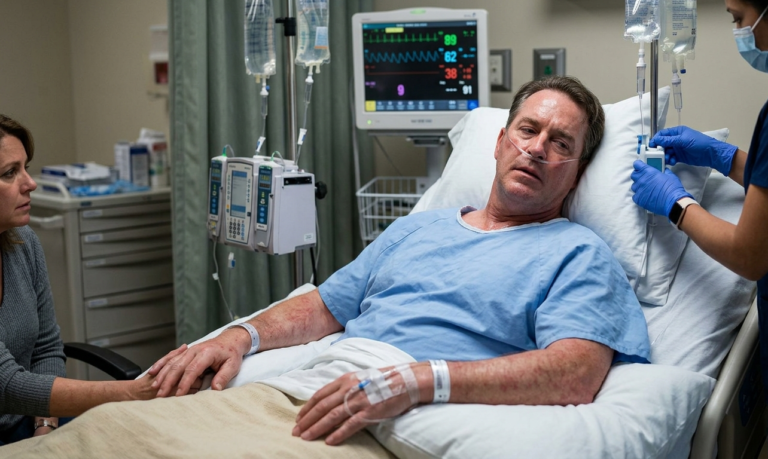
Early Signs of Sepsis: The Medical Emergency That Can Kill in Hours
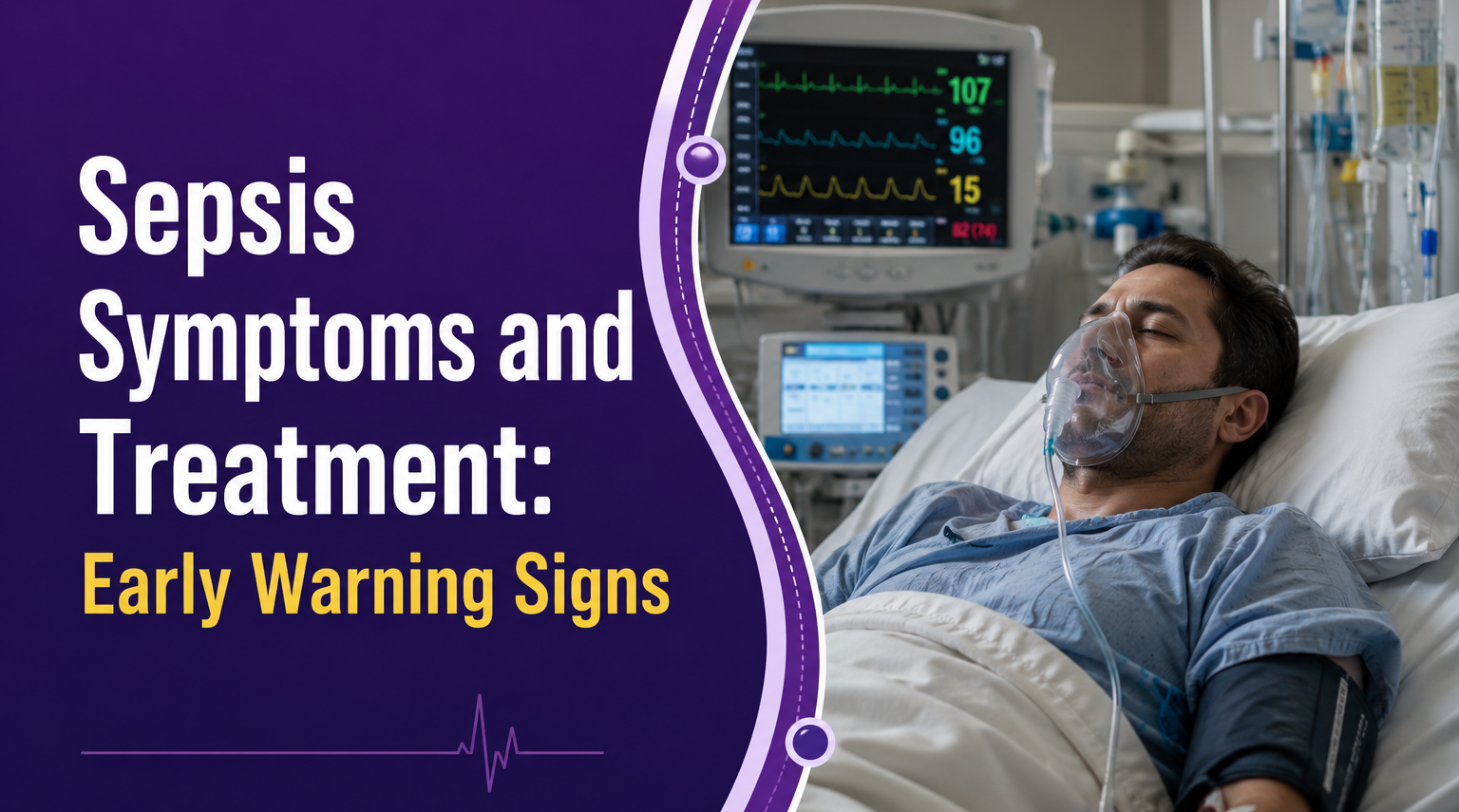
A simple infection can suddenly become a medical emergency. One day, it may feel like the flu, a urinary tract infection, or mild pneumonia. Within hours, it can damage organs, drop blood pressure, and threaten life itself. That dangerous condition is called Sepsis.
Many people ignore the early signs because they seem ordinary at first. Unfortunately, sepsis moves fast. Delayed treatment increases the risk of organ failure, septic shock, and death.
Recent advances in rapid sepsis testing now help doctors identify severe infections earlier than before. Faster diagnosis means quicker treatment, fewer complications, and better survival chances.
If you notice warning signs after an infection, surgery, or illness, schedule an evaluation with Passion Health Primary Care before symptoms become severe.
What Sepsis Actually Does to Your Body
Sepsis starts with a regular infection — a cut, a urinary tract infection, pneumonia, or even a dental procedure. Your immune system fights that infection.
However, sometimes it overreacts. Instead of fighting only the infection, your immune system starts attacking your own healthy tissues and organs.
During this dangerous immune response, widespread inflammation damages healthy tissues and organs. When this happens, widespread inflammation spreads through the body, causing tissue damage, organ failure, and in severe cases, death.
That chain reaction moves fast. In severe cases, the condition may progress to septic shock within hours and cause death in as little as 12 hours. That speed is what makes it so dangerous — and why the early signs of sepsis matter more than most people realize.
Early Signs of Sepsis You Should Never Dismiss
Most people brush off the early signs of sepsis as flu symptoms or tiredness from fighting an illness. That mistake costs lives.
Common signs of sepsis include a fast heart rate, low blood pressure, fever or very low body temperature, shaking or chills, rapid breathing or shortness of breath, confusion, and warm or clammy skin.
Watch for these warning signs specifically:
Breathing faster than normal for no clear reason
Heart racing even while resting
Skin that looks pale, blotchy, or has a red rash with small dark spots
Sudden confusion or difficulty thinking clearly
Extreme pain that feels out of proportion to the illness
Little or no urination in several hours
Feeling colder than usual with uncontrollable shaking
Why Sepsis Becomes Deadly So Quickly
Sepsis does not kill because of the infection alone. Instead, the immune system damages healthy tissues while trying to fight the infection.
As inflammation spreads:
Blood pressure drops
Oxygen delivery decreases
Organs stop functioning properly
Blood clots may form
The heart and kidneys become stressed
Without treatment, septic shock can occur. Septic shock is the most severe stage of sepsis and often requires intensive care.
Doctors frequently say every hour matters during sepsis treatment. Delays increase mortality risk significantly, and immediate antibiotics.
Who Gets Sepsis? Anyone Can — But These Groups Face Higher Risk
People of any age can develop this life-threatening infection response, but newborns, older adults, and individuals with weakened immune systems face the highest risk.
Older Adults
Newborns and young children
People with diabetes, kidney disease, or cancer
Anyone recovering from surgery or a serious wound
People currently on antibiotics or immunosuppressive medication
How Sepsis Progresses If Treatment Is Delayed
Here is the part most people do not know. Sepsis moves through stages, and each stage is more dangerous than the last.
Stage one involves the infection spreading and triggering the immune overreaction. Stage two brings organ stress — the kidneys, liver, and lungs begin to strain. Stage three is septic shock, where blood pressure collapses, and organs start shutting down.
When it comes to sepsis, the window for effective intervention is narrow, and every hour of delay increases the risk of death.
How Doctors Diagnose Sepsis
Doctors diagnose sepsis by combining symptoms, physical examination, and laboratory testing.
Common diagnostic tools include:
Blood tests
Blood cultures
Oxygen level monitoring
Urine tests
Imaging scans
Heart rate and blood pressure monitoring
Traditional blood cultures may take several days to identify bacteria. Unfortunately, doctors often need to make treatment decisions much sooner.
Because of that delay, healthcare systems increasingly use rapid molecular testing and biomarker technology. These advanced tools help identify infections faster and guide antibiotic treatment more accurately.
Recent medical reports show that rapid sepsis testing may reduce ICU stays, improve survival rates, and lower healthcare costs. Earlier diagnosis also helps physicians avoid unnecessary antibiotic use.
Sepsis Treatment
Sepsis treatment moves fast once a diagnosis is confirmed. Doctors focus on three immediate priorities: fighting the infection, supporting the organs, and stabilizing blood pressure.
Standard treatment involves:
Antibiotics — started within the first hour of suspected sepsis, broad-spectrum to cover unknown bacteria
IV fluids — delivered rapidly to prevent blood pressure collapse
Oxygen therapy — to support breathing and organ function
Vasopressors — medication that raises blood pressure if fluids alone fail
Intensive monitoring — in an ICU setting for severe cases
Can Sepsis Cause Long-Term Problems?
Yes. Even after recovery, some patients continue experiencing physical and emotional complications.
Possible long-term effects include:
Chronic fatigue
Memory problems
Muscle weakness
Reduced concentration
Doctors call this condition post-sepsis syndrome. Recovery may take weeks or months, depending on severity.
That is why follow-up care matters after hospitalization. Primary care providers help monitor recovery, medications, and ongoing symptoms.
Rapid Sepsis Testing Is Changing Emergency Care
New rapid testing technology represents one of the biggest advances in sepsis care.
Traditional testing methods sometimes require 24 to 72 hours for full results. During that time, infections can worsen quickly.
New rapid diagnostic tools now help:
Detect infections faster
Identify dangerous bacteria earlier
Guide antibiotic selection
Reduce unnecessary treatments
Improve survival rates
Researchers continue developing faster molecular tests and biomarker-based systems. These innovations may help emergency departments recognize life-threatening infections before severe organ damage occurs.
Rapid diagnosis also reduces healthcare costs by shortening hospital stays and improving treatment efficiency.
When Should You Seek Emergency Care?
Some symptoms should never wait.
Seek immediate medical attention if infection symptoms appear alongside:
Difficulty breathing
Confusion
Extreme weakness
Severe pain
Blue lips or skin
High fever with chills
Very low blood pressure
Loss of consciousness
Can Sepsis Be Prevented?
Smart habits that reduce sepsis risk:
Treat every infection seriously — do not ignore symptoms that linger or worsen
Keep all wounds clean and monitor them for redness, swelling, or pus
Stay current with vaccinations, particularly flu and pneumonia shots
Follow your full antibiotic course without stopping early
Schedule regular checkups if you have a chronic condition like diabetes or kidney disease
After Sepsis: Recovery Takes Longer Than Most Expect
Surviving sepsis is only the beginning. Many survivors deal with what doctors call post-sepsis syndrome — a collection of physical and mental aftereffects that can last months.
Common post-sepsis effects include:
Fatigue that does not improve with rest
Difficulty concentrating or memory lapses
Anxiety, depression, or PTSD
Joint and muscle pain
Increased vulnerability to new infections
Recovery requires consistent follow-up care, not just a hospital discharge. A trusted primary care doctor manages that ongoing recovery, monitors for complications, and adjusts treatment as the body heals.
The Bottom Line
Sepsis symptoms and treatment timelines move in hours, not days. Most people who die from sepsis had warning signs that someone — including themselves — dismissed as something minor. That does not have to be your story.
Know the early signs of sepsis. Trust your instincts when something feels wrong after an infection. Get to a doctor fast, and do not let embarrassment or uncertainty keep you from acting.
If you or a loved one develops concerning infection symptoms, schedule an appointment with Passion Health Primary Care.
Early evaluation and timely treatment can help prevent severe complications and protect long-term health.