
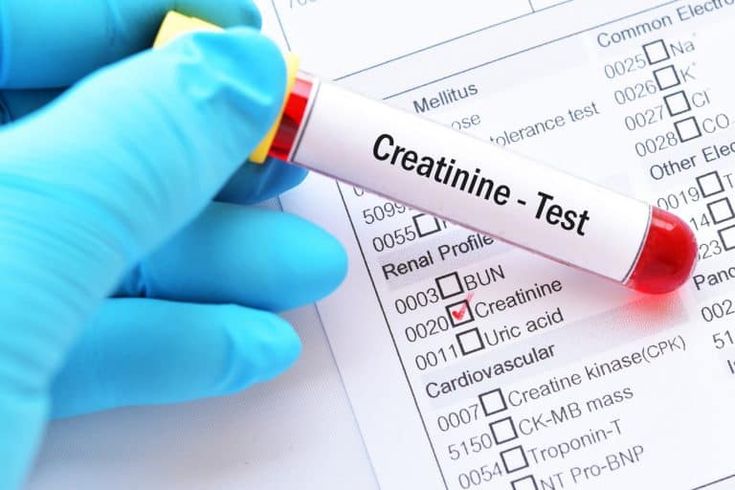
Why the Creatinine Test is Your Vital Kidney Health Check?
Your kidneys work silently every second to keep your body clean, but they often do not complain until significant damage occurs. Imagine waking up with unexplained swelling in your ankles or feeling exhausted despite a full night’s sleep.
A creatinine test serves as the most reliable window into how well your kidneys actually function.
Waiting for severe symptoms can be a dangerous mistake because chronic kidney disease often has no early warning signs.
If you have concerns about your energy levels or urinary changes, book your consultation at Passion Health Primary Care now to ensure your kidneys remain in peak condition.
What Exactly is a Creatinine Test?
A CreatinineTest, also known as a serum creatinine test, measures the levels of a specific waste product in your blood or urine. This waste, called creatinine, comes from the natural breakdown of muscle tissue during daily activity.
Consequently, the amount of creatinine in your bloodstream stays relatively stable when your kidneys work correctly.
Doctors use this measurement to calculate your Estimated Glomerular Filtration Rate (eGFR), which represents the actual percentage of your kidney function. This calculation is far more accurate than looking at creatinine alone because it accounts for your age, sex, and body size.
Book your consultation at Passion Health Primary Care now to ensure your kidneys remain in peak condition.
Why is a creatinine blood test done?
A creatinine blood test checks how well your kidneys filter waste from the blood. High creatinine levels can indicate kidney problems.
Doctors may order this test if you have symptoms like:
Fatigue or poor sleep
Loss of appetite
Swelling in the face, hands, or ankles
Changes in urination
High blood pressure, nausea, or vomiting
Kidney issues can be caused by infections, inflammation, stones, prostate problems, reduced blood flow (from diabetes or heart conditions), dehydration, or certain medications like gentamicin. Regular testing helps detect and monitor kidney function early.
Why You May Need a Creatinine Test Immediately
Many people assume they are healthy simply because they feel fine. Unfortunately, your kidneys possess a massive reserve capacity, meaning you can lose up to 40% of your function before you feel any different. This silent progression makes the creatinine test a vital tool for early intervention. You should be curious about your internal health, especially if you belong to a high-risk group.
Medical professionals strongly recommend this test if you have:
Diabetes: High blood sugar levels damage the delicate filters in the kidneys over time.
Hypertension: High blood pressure forces the heart to work harder and can scar the renal blood vessels.
Family History: Genetics play a massive role in your risk for chronic kidney disease.
Age over 50: Kidney function naturally declines as you grow older.
Obesity: Carrying extra weight places significant strain on your metabolic and renal systems.
Furthermore, keep a close watch for physical red flags. Fatigue, foamy urine, persistent itching, and muscle cramps are not just signs of being tired; they are emotional triggers that should prompt immediate action.
Do not ignore the fear that something might be wrong. Instead, turn that fear into a proactive choice.
Contact Passion Health Primary Care today to schedule your kidney function screening.
Understanding Your Creatinine Test Results
Interpreting the numbers from your creatinine test requires professional expertise because “normal” varies by individual. Specifically, muscle mass dictates how much waste your body produces. Because men generally have more muscle mass than women, their normal ranges are slightly higher.
The standard reference ranges for blood creatinine include:
Men: 0.7 to 1.3 mg/dL.
Women: 0.6 to 1.1 mg/dL.
If your results fall outside these windows, it does not automatically mean you have kidney failure. However, it does require a deeper investigation. For example, a result higher than 1.3 mg/dL in a man might indicate dehydration, a diet extremely high in red meat, or recent intense exercise. Conversely, a score lower than 0.6 mg/dL might suggest muscle wasting, malnutrition, or even advanced liver disease.
The Role of eGFR in Your Creatinine Test
Your eGFR score is the most important number derived from the creatinine test. It tells your healthcare provider exactly what stage of kidney health you are in.
Stage 1 (90+): Normal function, though there may be other signs of kidney damage, like protein in the urine.
Stage 2 (60-89): Mildly decreased function.
Stage 3 (30-59): Moderate kidney disease; this is the stage where most people finally get diagnosed.
Stage 4 (15-29): Severe damage; you must take urgent action to avoid failure.
Stage 5 (Below 15): Kidney failure, often requiring dialysis or a transplant.
How to Prepare for a Creatinine Test
A creatinine blood test usually needs no special preparation. You can eat and drink normally—fasting isn’t required.
However, inform your doctor about any medications you’re taking, as some can affect creatinine levels without harming the kidneys. These include:
Cimetidine
NSAIDs like aspirin or ibuprofen
Chemotherapy drugs
Certain antibiotics, such as cephalexin or cefuroxime
Your doctor may adjust or pause these medications before the test and will consider them when reviewing your results.
Blood vs. Urine: Which Creatinine Test Do You Need?
There are two primary ways to measure this waste product. The most common is the serum creatinine test, which requires a simple blood draw from your arm. It is fast, taking less than five minutes, and carries almost no risk beyond a slight bruise.
The second method is the 24-hour urine collection. This creatinine test is more labor-intensive but provides a highly detailed view of how much waste your kidneys clear over a full day.
You will receive a container to collect every drop of urine you pass for 24 hours, which must be kept cold on ice or in a refrigerator.
While less common today, this method remains vital for patients with unusual muscle mass or those needing a precise “creatinine clearance” calculation.
High Creatinine Test Levels: Beyond Kidney Disease
While a high creatinine test result often points toward kidney issues, other factors can trigger an abnormal reading.
For instance, severe dehydration concentrates your blood, making waste levels appear higher than they are.
Heart failure can also lead to high blood pressure because the heart cannot pump enough blood to the kidneys for proper filtration.
Furthermore, a blockage in the urinary tract, such as a kidney stone or an enlarged prostate, can prevent waste from leaving the body, causing it to back up into the bloodstream.
Because so many variables exist, one single test is rarely enough for a diagnosis. Your doctor will likely order a follow-up creatinine test or pair it with a Blood Urea Nitrogen (BUN) test to find the root cause.
Low Creatinine Test Results and Their Meaning
Low levels are less common but equally important to address. If your creatinine test comes back significantly low, it typically indicates that your body is not producing enough of the waste product. This often happens in older adults who have lost a large amount of muscle mass due to aging or illness.
Other causes for a low creatinine test result include:
Severe Malnutrition: A diet lacking in protein prevents the body from maintaining muscle tissue.
Liver Disease: Since the liver helps produce the creatine that eventually becomes creatinine, a failing liver can lead to lower blood levels.
Pregnancy: During pregnancy, the body increases its filtration rate, which often lowers creatinine levels temporarily.
What to expect during the test
Simple blood test; a small sample is taken
The arm is cleaned, and a band is tied to highlight the veins
Needle inserted (usually inner elbow)
Quick pinch may be felt; not very painful
Bandage applied after
Normal creatinine levels
Men: 0.9–1.3 mg/dL
Women: 0.6–1.1 mg/dL
Can vary with age, gender, and muscle mass
Possible minor risks
Dizziness or fainting
Mild pain, redness, or bruising
Rarely, infection
After the test
Sample sent to the lab
Results usually available in a few days.
Action Plan for Kidney Health
If your creatinine test results (and your subsequent eGFR) suggest early-stage kidney disease, your primary goal is to reduce the workload on your kidneys.
1. The “Big Two” Medical Targets
The most critical factors in slowing disease progression are cardiovascular and metabolic control.
Blood Pressure: Aim for a target of 120/80 mmHg or lower. High pressure damages the delicate filters (nephrons) in the kidneys.
Blood Sugar: Maintain stable glucose levels. Chronic high sugar acts like “shards of glass” in the bloodstream, scarring kidney tissue over time.
2. Strategic Lifestyle Shifts
Small, daily choices act as a protective shield for your remaining kidney function.
Sodium Reduction: Lowering salt intake reduces fluid retention and blood pressure.
Plant-Forward Diet: Prioritize fresh fruits and vegetables to reduce the “acid load” on your kidneys.
Consistent Movement: Aim for 30 minutes of moderate activity most days.
Medication Caution: Avoid NSAIDs like ibuprofen or naproxen, which can restrict blood flow to the kidneys.
3. Monitoring and Early Detection
Reliability in your health outcome depends on data. Use regular testing to pivot your treatment plan as needed.
Persistent, unexplained fatigue
Swelling (edema) in the ankles or around the eyes
Changes in urination frequency or color
Diagnostic must-haves:
Regular creatinine blood tests
eGFR (Estimated Glomerular Filtration Rate)
Consistent check-ups with a renal specialist
Take the first step toward lasting wellness and book your creatinine test at Passion Health Primary Care today. Our expert team is ready to help you navigate your results and create a personalized plan for your long-term health.